

What Is Food Packaging Bag
A food packaging bag is a type of bag that is specifically designed to store and transport food products. These bags are made from materials that are safe for food contact, such as plastic, paper, or a combination of both. Food packaging bags come in various sizes and styles, including resealable bags, stand-up pouches, and vacuum-sealed bags. They are used to protect food from contamination, extend its shelf life, and provide convenience for consumers.
Advantages of Food Packaging Bag
Protection: Food packaging bags provide a protective barrier against external elements such as moisture, oxygen, and light, which can degrade the quality and freshness of the food. This helps to extend the shelf life of the product and maintain its taste and nutritional value.
Convenience: Food packaging bags are designed to be easy to open and reseal, allowing consumers to access the food product conveniently. This is particularly important for perishable items that need to be consumed over multiple servings.
Sustainability: Many food packaging bags are now being manufactured using eco-friendly materials and technologies, such as biodegradable or compostable materials, to minimize their impact on the environment. This can help businesses to meet their sustainability goals and cater to environmentally conscious consumers.
Safety: Food packaging bags are designed to meet strict food safety regulations and standards, ensuring that the food product remains safe and free from contamination. They are made from materials that are resistant to bacteria growth and provide a hygienic barrier between the food and external contaminants.
Transparency: Many food packaging bags are transparent or have a clear window, allowing consumers to see the contents of the package before making a purchase. This helps to build trust and confidence in the product's quality and freshness.
Customization: Food packaging bags can be easily customized to include additional features such as zip locks, tear notches, handles, or spouts, depending on the specific requirements of the food product. This customization enhances the functionality and convenience of the packaging for both businesses and consumers.


Why Choose Us
Rich Experience
Our company has many years of production work experience. The concept of customer-oriented and win-win cooperation makes the company more mature and stronger.
Advanced Equipment
A machine, tool or instrument designed with advanced technology and functionality to perform highly specific tasks with greater precision, efficiency and reliability.
High Quality
Our products are manufactured or executed to very high standards, using the finest materials and manufacturing processes.
Competitive Price
We have professional sourcing team and cost accounting team, stive to reduce cost and profit and provide you a good price..
Sustainable Development
Establish a good reputation and brand value in the industry, and promote the sustainable, stable, rapid and healthy development of the enterprise.
One-stop Solution
With rich experience and one-to-one service,we can help you choose products and answer technical questions.
What Are The Different Sealing Options Available For Food Packaging Bags
There are several sealing options available for food packaging bags, including:
Zipper Seal: These bags have a built-in zipper mechanism that allows for easy opening and closing. They provide a secure and airtight seal, making them ideal for products that require frequent access.
Heat Seal: Heat sealing involves using heat to melt the plastic together, creating a strong seal. This method is commonly used for plastic bags and is often seen in snack packaging.
Adhesive Seal: Adhesive seals use an adhesive strip that is applied to the bag to create a secure closure. This type of seal is commonly found in resealable snack bags or pouches.
Slider Seal: Slider seals have a plastic slider that moves along a track to open and close the bag. This seal provides airtight protection and is often used for freezer bags or larger food packaging.
Clip Seal: Clip seals use plastic or metal clips to secure the bag. These clips are reusable and allow for easy opening and closing of the bag.
Press And Seal: Press and seal closures involve pressing the bag together to create a seal. This type of closure is often used for deli or sandwich bags.
Twist Tie: Twist ties are a classic sealing option, where a wire or plastic tie is twisted around the bag's opening to secure it. These ties are commonly used for bread bags or produce packaging.
What Are The Different Types Of Food Packaging Bags
There are various types of food packaging bags, each designed with specific characteristics to suit different food products and packaging requirements. The main categories include:
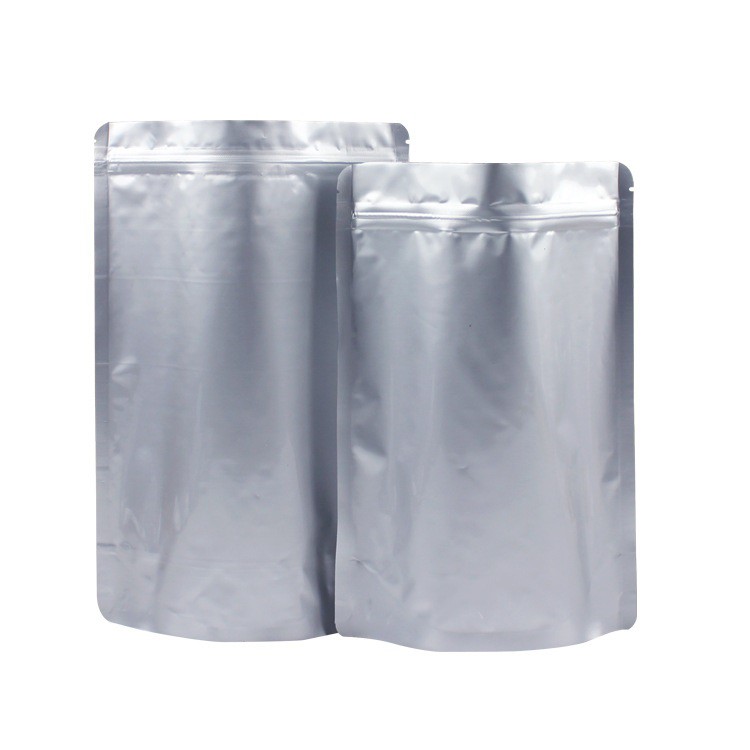


Plastic Bags: These are the most common type of food packaging, made from materials such as polyethylene (PE), polypropylene (PP), and polystyrene (PS). They are versatile and can be used for a wide range of products from snacks to frozen foods.
Paper Bags: Paper bags are eco-friendly and biodegradable, often used for bakery items, coffee, and dry goods. They can be coated with plastic or wax to enhance barrier properties.
Metalized Bags: These bags have a thin layer of metal (usually aluminum) applied to one side, which provides excellent barriers to light, oxygen, and moisture, making them suitable for packaging dry foods, coffee, tea, and snacks.
Vacuum Skin Packs: Also known as vacuum pouches, these bags are sealed around the food item with all the air removed, providing an extended shelf life and protection against oxidation and microbial growth.
Stand-Up Pouches: These flexible bags have rigid bottom gussets that allow them to stand upright on store shelves. They are often used for snacks, liquids, and powders.
Retort Pouches: These are specially designed to withstand high-temperature processing (sterilization), allowing for the long-term preservation of food without refrigeration. Commonly used for ready meals and soups.
Biodegradable and Compostable Bags: Made from materials such as corn starch, sugarcane, or other plant-based polymers, these bags decompose naturally under specific conditions, offering a more sustainable alternative to traditional plastics.
Modified Atmosphere Packaging (MAP): These bags contain a mixture of gases that replace the air inside the package, altering the atmosphere to extend shelf life and preserve the quality of the food. MAP is commonly used for meats, cheeses, and fruits.
Edible Films and Coatings: Although not bags per se, edible films and coatings are applied directly to the food surface or used as a wrapper. They provide a barrier to moisture, gases, and microorganisms and can be made from materials such as chitosan, wheat gluten, or lipids.
Various materials are used in the production of food packaging bags, each chosen based on its specific properties that cater to different food storage requirements. The most common materials include:
Polyethylene (PE): Low-density polyethylene (LDPE) and linear low-density polyethylene (LLDPE) are widely used due to their flexibility, toughness, and resistance to chemicals. They are commonly used for stand-up pouches, resealable bags, and produce bags.
Polypropylene (PP): Known for its high melting point and good clarity, PP is often used for microwaveable food packaging, hot-fill applications, and containers. It is also used in caps and lids due to its compatibility with various closure systems.
Polyvinyl Chloride (PVC): PVC is clear and has good gas and moisture barrier properties, making it suitable for meat packaging and cling film. However, due to health concerns related to certain additives, its use has declined in some food packaging applications.
Polyethylene Terephthalate (PET): PET provides a good balance of strength, stiffness, and barrier properties. It is frequently used for bottles and jars, particularly for carbonated drinks, water, and salad dressings.
Nylon (PA): Nylon, often combined with other plastics to form laminates, offers excellent tensile strength and abrasion resistance. It's used in snack food packaging, frozen food bags, and retort pouches (which are heat-sealed after being filled).
Aluminum Foil: Aluminum foil provides a high barrier to light, oxygen, moisture, and aromas. It is often used in multi-layer laminates with plastics to enhance the protective qualities of the packaging.
Metalized Films: These are plastic films coated with a thin layer of metal (usually aluminum) to provide a barrier similar to that of aluminum foil but with improved flexibility. They are used for snack foods, coffee packaging, and pet food pouches.
Oxygen Scavenging Materials: These are incorporated into packaging to extend shelf life by removing residual oxygen from the package headspace. They are often used in conjunction with other barrier materials.
Biodegradable and Compostable Materials: As sustainability becomes more important, materials like polylactic acid (PLA), starch-based films, and paper products are being used for eco-friendly food packaging.
What Are The Safety Concerns When Using Food Packaging Bags
Food packaging bags are designed to protect food from contamination and extend shelf life, but they must also meet strict safety standards to prevent any harm to consumers. Some safety concerns associated with food packaging include:
Migration of Chemical Substances: Packaging materials can release small amounts of chemicals into the food they contain, especially when exposed to heat or under certain storage conditions. This migration can occur with substances like phthalates, bisphenol A (BPA), and certain plasticizers used in packaging.
Leaching of Inks and Dyes: Printing on food packaging often involves the use of inks and dyes, some of which may contain harmful substances. There is a potential for these substances to leach into the food, particularly if the packaging is damaged or not properly sealed.
Physical Hazards: Sharp edges, broken seals, or weak spots in packaging can pose physical hazards, potentially causing cuts or allowing contaminants to enter.
Microbial Contamination: While packaging is meant to keep out microbes, any breaches in the material or poor manufacturing practices can lead to bacterial or fungal growth, which can contaminate the food.
Residual Solvents: In the manufacturing process, solvents may be used to help adhere layers in laminated packaging or to clean machinery. If not adequately removed, residual solvents can migrate into the food.
Allergens: Packaging materials or adhesives can contain allergens that may not be clearly labeled, posing a risk to individuals with severe allergies.
Recycling Contamination: If food particles are not properly cleaned from recycled packaging before reprocessing, they can contaminate new batches of food packaging material.
How Do Food Packaging Bags Protect Against Contamination And Spoilage
Food packaging bags protect against contamination and spoilage in several ways:
Barrier properties
Food packaging bags are often made from materials with high barrier properties, such as laminated films or aluminum foil. These materials prevent the entry of oxygen, moisture, and other gases into the bag, which can accelerate spoilage and promote the growth of bacteria or mold.
Sealing
Food packaging bags are typically sealed tightly to prevent the entry of contaminants. This can be achieved through heat sealing, zippers, or other closure mechanisms that create an airtight seal.
UV protection
Some food packaging bags are designed with UV protection to shield the contents from harmful ultraviolet rays. UV exposure can cause degradation and spoilage of certain food products.
Tamper-Evident Features
Many food packaging bags have tamper-evident features, such as tear strips or seals, that indicate if the bag has been opened or tampered with. This helps ensure the integrity and safety of the food inside.
Physical Protection
Food packaging bags provide a physical barrier that protects the food from external factors such as dust, dirt, and physical damage during transportation and storage.
Moisture Control
Certain food products are sensitive to moisture, which can lead to spoilage or loss of quality. Food packaging bags can be designed with moisture barriers and absorbent materials to maintain the desired moisture level and prevent spoilage.
How Do Food Packaging Bags Prevent Odor Transfer Between Different Food Items
Food packaging bags prevent odor transfer between different food items primarily by acting as a physical barrier that separates the contents from the external environment and from each other. The effectiveness of a packaging material in preventing odor transfer depends on its permeability to gases and its ability to seal properly. Here are the key factors involved
Material Permeability
Different packaging materials vary in their permeability to gases, including those responsible for odors. Materials like high-density polyethylene (HDPE) and aluminum foil are highly impermeable, effectively blocking the passage of odorous molecules.
Multilayer Construction
Many food packaging bags are made with multiple layers, each serving a specific purpose. For instance, a typical stand-up pouch might consist of an outer layer for strength and printability, a middle layer for barrier properties, and an inner layer that contacts the food. This multilayer approach enhances the overall barrier performance of the packaging.
Sealing Technology
Proper sealing of the packaging bag ensures that there are no gaps or weak spots through which odors can escape or enter. Sealing methods can include heat sealing, ultrasonic sealing, or adhesive bonding, depending on the material being used.
Barrier Layers
Certain packaging materials incorporate specialized barrier layers, such as ethylene vinyl alcohol (EVOH) or metallized films, which provide additional protection against gas and odor transmission.
Modification of Atmosphere Packaging (MAP)
In some cases, the internal atmosphere of the packaging is modified by replacing oxygen with other gases like nitrogen or carbon dioxide, which can help to inhibit the growth of odor-producing bacteria and also reduce the permeability of the packaging to odor-causing compounds.
Vacuum Packaging
Vacuum packing removes air from the packaging, which not only helps to prevent oxidation and microbial growth but also reduces the space available for odor molecules to move, further limiting odor transfer.
Are There Any Specific Requirements For Food Packaging Bags Used For Allergen-Free Products
Yes, there are specific requirements for food packaging bags used for allergen-free products. These requirements may vary depending on the country or region, but in general, the following considerations are important:
Allergen Declaration
The packaging should clearly and accurately declare the absence of specific allergens. This may include using statements like "free from peanuts," "contains no gluten," or similar.
01
Cross-Contamination Prevention
The packaging should ensure that the allergen-free product does not come into contact with allergens during storage, transportation, or handling. This may involve using separate production lines or implementing strict cleaning protocols.
02
Allergen Testing
The packaging manufacturer should conduct regular allergen testing to ensure that the packaging material itself does not contain any traces of allergens that could contaminate the product.
03
Labeling Requirements
The packaging should comply with labeling regulations specific to allergen-free products. This may include using specific font sizes or highlighting allergen-free claims in a certain way.
04
Certification
Some countries or certification bodies offer specific allergen-free certifications. Using packaging materials that are certified as allergen-free can provide additional assurance to consumers.
05
What Are The Factors To Consider For Choosing The Right Size Of Food Packaging Bags
There are several factors to consider when choosing the right size of food packaging bags:
Product Size
The size of the food product being packaged is a crucial factor. The bag should be large enough to comfortably accommodate the product without excessive empty space.
Quantity
Consider the quantity of food products that need to be packaged. If you have large quantities, you may need larger bags to ensure efficient packaging and storage.
Shelf Space
Consider the available shelf space in retail stores or your storage area. If you have limited space, smaller bags may be more suitable to maximize the use of the available area.
Portion Control
If you are packaging individual portions or single servings, choose a bag size that can hold the desired portion size without excess space.
Packaging Equipment
If you are using automated packaging equipment, ensure that the bag size is compatible with the equipment. It should fit properly and be able to seal or close efficiently.
Transportation Considerations
If the packaged food products will be transported, consider the size and weight of the bags. Smaller, lightweight bags may be more convenient and cost-effective for transportation.
Branding And Labeling Requirements
Consider the space required for branding and labeling on the packaging. Ensure that the bag size allows for clear and visible branding and necessary product information.
Customer Convenience
Consider the convenience for customers when choosing bag sizes. If the product needs to be resealed or reused, choose a bag size that is easy to open and close.
Waste Reduction
Optimize bag sizes to minimize waste. Using bags that are too large for the product can lead to excessive material usage and unnecessary waste.
How Do Food Packaging Bags Protect Against Punctures And Tears During Transportation
Food packaging bags are designed to protect against punctures and tears during transportation through various means:
Material Selection
Food packaging bags are typically made from durable materials such as high-density polyethylene (HDPE), low-density polyethylene (LDPE), or polypropylene (PP). These materials have good tensile strength and puncture resistance, providing a sturdy barrier against external forces.
Thickness and Gauge
Packaging bags are available in different thicknesses and gauges. Thicker bags offer higher puncture resistance as they have more material layers, making them less prone to tearing or puncturing.
Reinforcement Layers
Some food packaging bags have additional reinforcement layers or laminates. For example, bags may have a layer of aluminum foil or nylon to provide extra strength and protection against punctures.
Sealing Techniques
Bags are sealed using various methods, such as heat sealing or zip-lock closures. Properly sealed bags prevent any openings or weak points where punctures or tears could occur during transportation.
Impact Cushioning
Food packaging bags may incorporate cushioning features like air-filled pockets or bubble wrap. These provide an extra layer of protection against impacts, reducing the risk of punctures or tears.
Testing and Quality Control
Packaging manufacturers conduct rigorous testing to ensure the bags meet industry standards and are resistant to punctures and tears. These tests involve subjecting the bags to different forces, including sharp objects and pressure, to assess their durability.
How Do Food Packaging Bags Prevent Moisture Loss From Dehydrated Food Products
Food packaging bags prevent moisture loss from dehydrated food products through several mechanisms:
Barrier materials
The packaging bags are made of materials that have low moisture vapor transmission rates (MVTR), such as aluminum foil, polyethylene, or laminates. These materials act as barriers to moisture, preventing it from entering or escaping the bags and thus reducing moisture loss.
Seal Integrity
The bags are sealed tightly to create an airtight environment. This prevents moisture from entering or exiting the bag through any gaps or openings. The seals are often heat-sealed or zip-locked to ensure maximum closure and prevent moisture from seeping in or out.
Desiccants
Some packaging bags include desiccant packets or sachets, which are small bags filled with moisture-absorbing substances like silica gel or clay. These desiccants help absorb any moisture that may be present in the bag, further reducing the chances of moisture loss from the dehydrated food product.
Modified Atmosphere Packaging (Map)
In certain cases, food packaging bags may be filled with inert gases like nitrogen or carbon dioxide. These gases help create a modified atmosphere inside the bag, which reduces the rate of moisture loss from the food product. MAP can also enhance the shelf life of the dehydrated food by inhibiting the growth of spoilage microbes.
Multiple layers
Packaging bags often have multiple layers, including inner linings and outer coatings, to provide enhanced moisture barrier properties. These layers may consist of different materials or laminates, each contributing to the overall moisture resistance of the bag.
Certifications


Changzhou Dibona Plastics Co.,Ltd. was established in 2014. The company is committed to the research, development, production and sales of hot melt adhesive series films. The products have a first-class brand image and excellent professional quality, equipped with a rigorous and perfect management system, a high-quality management and R&D team, and a complete and standardized after-sales service system.
FAQ
Q: What are the different types of food packaging bags?
Q: What are the advantages of using food packaging bags?
Q: What materials are commonly used for food packaging bags?
Q: How are food packaging bags manufactured?
Q: What are the safety considerations in food packaging bag production?
Q: Can food packaging bags be recycled?
Q: How do food packaging bags contribute to reducing food waste?
Q: Are food packaging bags safe for microwave use?
Q: What are the considerations for choosing the right food packaging bag?
Q: How do food packaging bags help with portion control?
Q: Can food packaging bags be customized with branding and labeling?
Q: Are food packaging bags suitable for storing both dry and liquid food items?
Q: What are the benefits of resealable food packaging bags?
Q: What is a food packaging bag?
Q: Can food packaging bags be used for long-term food storage?
Q: How do food packaging bags ensure food safety during transportation?
Q: What are the considerations for designing child-resistant food packaging bags?
Q: Can food packaging bags be used for hot food items?
Q: How do food packaging bags protect against tampering?
Q: What are the advantages of using stand-up pouches for food packaging?
Hot Tags: food packaging bag, China food packaging bag manufacturers, suppliers, factory, Self sealing Aluminium Bag Packaging, pliers aluminum foil bag, textile aluminum foil bag, chocolate aluminum foil bag, aluminum foil vacuum packaging, bolt aluminum foil bag


