What Is Aluminum Foil Vacuum Bag
Aluminum foil vacuum bags are a type of packaging material that is made from aluminum foil and is designed to provide a barrier against oxygen, moisture, and light. These bags are commonly used for storing and preserving food items such as meat, vegetables, and snacks. The vacuum seal on the bags helps to remove air and create a tight seal, which helps to extend the shelf life of the stored items.
Advantages of Aluminum Foil Vacuum Bag
Excellent Barrier Properties: Aluminum foil is highly impermeable to oxygen, moisture, light, and other gases. This makes it an ideal material for vacuum packaging, as it helps to maintain the freshness and quality of the product for a longer period.
Longer shelf life: By sealing the product in an aluminum foil vacuum bag, the oxygen content is greatly reduced, preventing oxidation and spoilage. This helps to extend the shelf life of the product, preserving its taste, texture, and nutritional value.
Protection From External Factors: Aluminum foil vacuum bags offer protection against external factors such as moisture, light, and odors. This helps to maintain the integrity of the product and prevent any contamination or damage.
Lightweight And Durable: Aluminum foil is a lightweight material that provides excellent strength and durability. This makes the vacuum bags resistant to punctures, tears, and other damages, ensuring that the product remains protected throughout its shelf life.
Heat Resistance: Aluminum foil vacuum bags can withstand high temperatures, making them suitable for packaging hot or warm products. They can be used for packaging cooked food, ready-to-eat meals, and other heat-treated products without compromising their quality.
Cost-Effective: Aluminum foil vacuum bags are relatively affordable compared to other packaging materials. They offer a cost-effective solution for preserving and protecting various products, making them a popular choice for manufacturers.


Why Choose Us
Rich Experience
Our company has many years of production work experience. The concept of customer-oriented and win-win cooperation makes the company more mature and stronger.
Advanced Equipment
A machine, tool or instrument designed with advanced technology and functionality to perform highly specific tasks with greater precision, efficiency and reliability.
High Quality
Our products are manufactured or executed to very high standards, using the finest materials and manufacturing processes.
Competitive Price
We have professional sourcing team and cost accounting team, stive to reduce cost and profit and provide you a good price..
Sustainable Development
Establish a good reputation and brand value in the industry, and promote the sustainable, stable, rapid and healthy development of the enterprise.
One-stop Solution
With rich experience and one-to-one service,we can help you choose products and answer technical questions.
What Are The Most Common Methods Used For Printing On Aluminum Foil Vacuum Bags
The most common methods used for printing on aluminum foil vacuum bags are:
Flexographic Printing: This method involves using a flexible printing plate with raised images and text. The ink is transferred directly onto the foil surface. Flexographic printing is commonly used for high-volume production as it is fast and cost-effective.
Rotogravure Printing: In this method, an etched cylinder is used to transfer the ink onto the foil. The cylinder contains cells of varying depths that hold the ink and transfer it onto the foil when pressed against it. Rotogravure printing provides high-quality and detailed prints, making it suitable for intricate designs.
Digital Printing: With advancements in technology, digital printing has become more prevalent in recent years. This method involves directly printing the design onto the foil using digital printers. It offers flexibility in printing small quantities and allows for customization and quick turnaround times.
Offset Printing: Although less commonly used for aluminum foil vacuum bags, offset printing can also be employed. It involves transferring the ink from a plate onto a rubber blanket, which is then pressed onto the foil. Offset printing is known for its high image quality and is often used for complex and multicolor designs.
How Is An Aluminum Foil Vacuum Bag Manufactured
Manufacturing an aluminum foil vacuum bag involves several steps. Here is a general overview of the process:
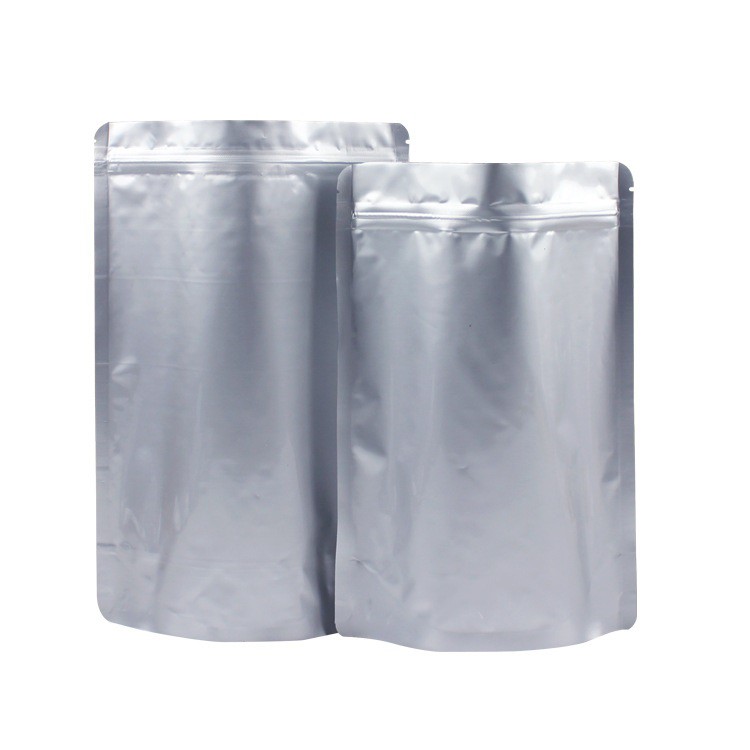


Material Preparation: The first step is to prepare the materials required for the bag. This includes aluminum foil, which is typically sourced in large rolls, and other components like plastic layers or laminates that provide additional strength and protection.
Printing and Coating: If required, the aluminum foil is printed with product information, branding, or any desired design. Additionally, a coating may be applied to enhance the foil's barrier properties or to provide protection against moisture or odors.
Lamination: The aluminum foil is often laminated with plastic layers or films to improve puncture resistance, flexibility, and sealability. This lamination process involves bonding the layers together using heat and pressure.
Bag Formation: The laminated aluminum foil is then converted into bags of the desired shape and size. This is typically done using specialized bag-making machines that can cut, fold, and seal the material.
Sealing: The edges of the bag are sealed to ensure its vacuum-tightness. Various sealing methods can be employed, such as heat sealing or ultrasonic sealing, which create a strong and airtight bond.
Vacuum Valve Installation: If the bag is designed to be used with a vacuum sealing system, a valve is installed. This valve allows air to be extracted from the bag and helps maintain a vacuum seal.
Quality Control: Throughout the manufacturing process, quality control checks are performed to ensure the bags meet the required standards. This includes checking for any defects, proper seal integrity, accurate dimensions, and overall product functionality.
Packaging and Distribution: Once the bags pass the quality control stage, they are packaged and prepared for distribution. They might be boxed, bagged, or bundled based on the packaging requirements of the manufacturer or customer.
An Aluminum Foil Vacuum Bag Typically Consists Of Multiple Layers Of Materials. The Main Materials Used Are:
Aluminum Foil: It is the outermost layer of the bag, providing excellent barrier properties against moisture, oxygen, light, and odors. The aluminum foil also acts as a heat reflector, preventing thermal radiation from entering or escaping the bag.
Nylon or PET (Polyethylene Terephthalate) film: This layer provides additional strength and puncture resistance to the bag. It enhances the durability and structural integrity of the bag.
Polyethylene (PE) or Polypropylene (PP) film: This layer is often used as an inner sealant layer to ensure the bag is airtight and to provide a barrier against moisture and odors. It also helps in heat sealing the bag.
Adhesive layers: To bond the different layers together, adhesive layers are used. These layers ensure that the bag remains intact and the barrier properties are maintained.
Optional additional layers: Depending on the specific requirements, additional layers such as polyester, paper, or non-woven fabrics may be added to enhance insulation, strength, or provide printing surface for branding and labeling.
How Do Aluminum Foil Vacuum Bags Perform In Terms Of Puncture Resistance And Tear Strength
Aluminum foil vacuum bags are generally known for their high puncture resistance and tear strength. The combination of aluminum foil and plastic layers in these bags enhances their durability and protective properties.
Puncture Resistance: Aluminum foil vacuum bags offer excellent puncture resistance due to the multiple layers of material they are composed of. The outer layer of aluminum foil provides a strong barrier against sharp objects, preventing punctures and tears. The inner layer of plastic adds an extra level of protection, ensuring that the bags remain intact even when subjected to pressure or impact.
Tear Strength: These bags also exhibit good tear strength. The combination of aluminum foil and plastic layers creates a robust structure that resists tearing. The aluminum foil layer provides strength and rigidity, while the plastic layer adds flexibility, making the bags resistant to tearing forces.
A luminum foil vacuum bags are designed to withstand rough handling, sharp edges, and other potential sources of damage. They offer reliable puncture resistance and tear strength, providing effective protection for the contents stored inside.
How Do You Open An Aluminum Foil Vacuum Bag
Opening an aluminum foil vacuum bag requires care to maintain the integrity of the seal and prevent contamination of the contents. Here's a step-by-step guide on how to do it safely and effectively:
Inspect The Bag: Before opening, inspect the bag for any signs of damage or leakage. If the bag appears compromised, it's best not to use the contents.
Locate The Seal: Identify where the bag has been sealed. This is typically along one side or the top of the pouch.
Use Scissors Or a Knife: Use a pair of scissors or a sharp knife to cut or tear the seal. Start at one corner of the seal and proceed slowly to avoid puncturing the inner layer of the bag.
Open Slowly: Open the bag carefully, making sure not to let air rush in too quickly, which could damage the contents or cause spillage.
Remove Contents Gently: If the contents are solid, gently remove them from the bag. If the contents are liquid or granular, pour them into a suitable container.
Re-seal if Necessary: Some aluminum foil vacuum bags are resealable. If this is the case and you're not using all the contents immediately, reseal the bag to maintain freshness. Make sure to follow any specific instructions provided by the manufacturer regarding resealing.
Dispose of Properly: Once opened, dispose of the bag according to local waste management guidelines. If the bag contained food, check if it can be recycled depending on your area's recycling policies for plastic-laminated foil.
Can Aluminum Foil Vacuum Bags Be Customized With Branding Or Labeling
Yes, aluminum foil vacuum bags can be customized with branding or labeling to enhance the appearance and marketing appeal of the product within. The customization process usually involves the following steps:
Design
The brand or company creates a design that includes logos, text, images, and other graphics that align with their marketing strategy and brand identity. The design must adhere to any relevant industry standards and regulations.
01
Material Selection
The type of label or branding applied to the aluminum foil vacuum bags depends on the intended use and the durability required. Options include stickers, heat transfer labels, screen printing directly onto the foil, or digital printing.
02
Printing Technology
High-quality printing techniques such as flexography, offset printing, or digital printing are used to ensure the branding is clear, vibrant, and resistant to fading or peeling. For small quantities or complex designs, digital printing may be more cost-effective.
03
Application Method
The chosen method for applying the label or branding to the bag will depend on the material and the desired finish. Heat transfer is common for permanent branding, while adhesive stickers can be applied manually or by automated machinery.
04
Quality Assurance
After printing and application, the bags undergo quality checks to ensure the branding is correctly placed and has the necessary adhesion and durability.
05
What Is The Difference Between An Aluminum Foil Vacuum Bag And a Plastic Vacuum Bag
Aluminum foil vacuum bags and plastic vacuum bags differ primarily in their materials, properties, and applications. Here are some key differences:
Material Composition:
Aluminum foil vacuum bags are made of multiple layers, with at least one layer being aluminum foil. This combination provides excellent barrier properties against light, oxygen, moisture, and aromas.
Plastic vacuum bags are typically made from various types of plastics, such as polyethylene (PE), polypropylene (PP), or laminates thereof. These materials also offer good barrier properties but may vary in their level of protection compared to aluminum.
Barrier Properties:
Aluminum foil vacuum bags have superior barrier properties due to the metallic nature of aluminum, which reflects light and blocks gases and moisture very effectively. They are often used for long-term storage of perishable items.
Plastic vacuum bags provide good barrier properties but may not be as effective as aluminum foil bags in blocking out light and gases. However, they are often sufficient for short-term storage or when cost is a significant factor.
Temperature Resistance:
Aluminum foil vacuum bags are generally more heat-resistant than plastic bags, allowing for better performance in environments where high temperatures are present.
Plastic vacuum bags may soften or melt at high temperatures, limiting their use in certain applications.
Environmental Impact:
Both types of bags can be recycled, but the recyclability may depend on local recycling programs and the presence of mixed materials (e.g., plastic laminate with aluminum). Aluminum is infinitely recyclable without loss of quality, whereas plastics can degrade over time.
Aluminum foil bags tend to have a higher environmental impact due to their production process, which requires more energy than producing plastic bags. However, because they are more durable and can be reused or repurposed more easily, their overall footprint can be reduced.
Cost:
Aluminum foil vacuum bags are generally more expensive than plastic vacuum bags due to the cost of aluminum and the complexity of the manufacturing process.
Plastic vacuum bags are typically less expensive, making them a more economical choice for less demanding applications or for situations where budget constraints are a concern.
Applications:
Aluminum foil vacuum bags are often used for storing dry goods like coffee, tea, spices, and grains that require long-term preservation. They are also suitable for storing medical supplies, electronics, and other items that need protection from light and moisture.
Plastic vacuum bags are frequently used for clothing, bedding, and general household items. They are popular for travel and for storing clothes long-term because they are lightweight and flexible.
What Is The Typical Thickness Of An Aluminum Foil Vacuum Bag
The typical thickness of an aluminum foil vacuum bag used for food storage is measured in microns (μm), with a range commonly found between 7 to 15 microns. For industrial applications or specialized uses, thicknesses can vary, but for consumer-grade food storage, this range offers a balance between durability and flexibility.
The thinner bags (around 7-9 microns) are suitable for lightweight items and short-term storage, while thicker bags (up to 15 microns) provide greater strength and are better suited for heavier items or longer-term storage.
It's important to note that the actual thickness can vary slightly depending on the manufacturer and specific product design. Always check the packaging or product specifications for the exact thickness of an aluminum foil vacuum bag.
How Should Aluminum Foil Vacuum Bags Be Stored
Storing aluminum foil vacuum bags should be done carefully to maintain their effectiveness and extend their shelf life. Here are some best practices for storage:
Keep Them Dry and Cool: Store the bags in a cool, dry place away from direct sunlight and heat sources. High temperatures and humidity can degrade the material and compromise its barrier properties.
Avoid Mechanical Damage: Ensure that the bags are not subjected to rough handling or compression, which could create tears or weak spots in the material. Store them flat or rolled up neatly without applying excessive force.
Seal Properly: If the bags are resealable, make sure they are closed tightly after each use. Any exposure to air can lead to oxidation and spoilage of the contents.
Use Appropriate Containers: For extra protection, particularly in environments with dust or pests, consider storing the bags inside larger plastic bins or containers with secure lids.
Label and Organize: Label the bags with the contents and the date of packaging or expiration, if applicable. Keep them organized so that older items are used first to avoid outdated storage.
Avoid Direct Contact with Food or Other Substances: Do not store the bags with foods, chemicals, or other substances that could transfer odors or contaminants. It's best to keep them separate until ready for use.
Can Aluminum Foil Vacuum Bags Prevent Oxygen From Entering
Aluminum foil vacuum bags are highly effective at preventing oxygen from entering due to several properties inherent to aluminum and the construction of the bags:
Aluminum Barrier: Aluminum is a metal that has excellent impermeability to gases, including oxygen. When aluminum is used as one of the layers in a vacuum bag, it creates a strong barrier that significantly reduces the diffusion of oxygen through the material.
Vacuum Sealing: Vacuum bags are designed to be sealed after the item to be stored is placed inside. Once sealed, the air is removed, creating a negative pressure environment. This process further enhances the barrier properties by removing the air that would otherwise diffuse through the bag over time.
Lamination: Many aluminum foil vacuum bags are laminated with additional layers such as polyethylene (PE) or other polymers. This lamination not only adds strength to the bag but also ensures that any microscopic pinholes in the aluminum are covered, providing an additional layer of protection against oxygen ingress.
Heat Sealing: The seams of the vacuum bags are typically heat-sealed, which means that they are fused together using heat and pressure. This method creates a strong bond that is impermeable to gases, ensuring that no oxygen can enter through the seams.
Closure Systems: Vacuum bags often come with closure mechanisms such as zippers or ties that allow the bag to be sealed airtight after the air has been evacuated. These systems are designed to maintain the vacuum seal and prevent oxygen from leaking back into the bag.
Certifications


Changzhou Dibona Plastics Co.,Ltd. was established in 2014. The company is committed to the research, development, production and sales of hot melt adhesive series films. The products have a first-class brand image and excellent professional quality, equipped with a rigorous and perfect management system, a high-quality management and R&D team, and a complete and standardized after-sales service system.
FAQ
Q: Can aluminum foil vacuum bags be used for storing non-food liquids?
Q: Are there any health concerns associated with using aluminum foil vacuum bags?
Q: Can aluminum foil vacuum bags be used for storing medications?
Q: How long can food stay fresh in aluminum foil vacuum bags?
Q: Can aluminum foil vacuum bags be used for marinating food?
Q: Can aluminum foil vacuum bags be used for storing non-food items during travel?
Q: How do I determine the appropriate size of aluminum foil vacuum bag to use?
Q: Can aluminum foil vacuum bags be used for storing leftovers?
Q: How should I store aluminum foil vacuum bags?
Q: Are aluminum foil vacuum bags suitable for long-distance shipping of perishable items?
Q: Can aluminum foil vacuum bags be used for sous vide cooking at high temperatures?
Q: How should I dispose of used aluminum foil vacuum bags?
Q: What is an aluminum foil vacuum bag?
Q: How does an aluminum foil vacuum bag work?
Q: Are aluminum foil vacuum bags safe for food storage?
Q: Can aluminum foil vacuum bags be reused?
Q: How should aluminum foil vacuum bags be cleaned?
Q: Can aluminum foil vacuum bags be used for sous vide cooking?
Q: Are aluminum foil vacuum bags recyclable?
Q: Can aluminum foil vacuum bags be used for packing and storing camping meals?
Hot Tags: aluminum foil vacuum bag, China aluminum foil vacuum bag manufacturers, suppliers, factory, silver aluminium foil pouch, hair oil aluminum foil bag, battery aluminum foil bag, aluminium paper bag, eyeshadow aluminum foil bag, laptop aluminum foil bag