

What Is Waterproof Tape
Waterproof tape is a kind of electrical insulation and waterproof sealing tape with good self-melting and conformal properties. It has strong surface adhesion and good thermal stability. It can be used in occasions such as electrical insulation and waterproof sealing. Waterproof tape is used together with PVC tape. It can provide reliable waterproof sealing and insulation protection for electrical circuits.
Advantages of Waterproof Tape
Water Resistance: The most obvious advantage of waterproof tape is its ability to repel water. This makes it an ideal choice for sealing leaks, repairing water pipes, or any other application where exposure to water is a concern.
Versatility: Waterproof tape can be used on a wide range of materials, including plastic, metal, rubber, glass, and more. This makes it a versatile option for various applications, such as outdoor repairs, automotive repairs, or even in marine environments.
Durability: Waterproof tape is designed to withstand harsh conditions, including extreme temperatures, UV rays, and heavy rainfall. It is typically made with durable materials, such as PVC or silicone, which ensures its longevity and reliability.
Easy Application: Most waterproof tapes are self-adhesive, which means they can be easily applied without the need for additional tools or equipment. This makes them a convenient option for quick repairs or emergency situations.
Flexibility: Waterproof tape is often flexible and stretchable, allowing it to conform to irregular surfaces or shapes. This makes it useful for sealing gaps or cracks, creating a watertight seal even in challenging or hard-to-reach areas.
Temporary Solution: Waterproof tape can be used as a temporary solution for sealing leaks or making quick repairs until a permanent fix can be implemented. This can be particularly useful in emergency situations or when immediate action is required.

Why Choose Us
Rich Experience
Our company has many years of production work experience. The concept of customer-oriented and win-win cooperation makes the company more mature and stronger.
Advanced Equipment
A machine, tool or instrument designed with advanced technology and functionality to perform highly specific tasks with greater precision, efficiency and reliability.
High Quality
Our products are manufactured or executed to very high standards, using the finest materials and manufacturing processes.
Competitive Price
We have professional sourcing team and cost accounting team, stive to reduce cost and profit and provide you a good price..
Sustainable Development
Establish a good reputation and brand value in the industry, and promote the sustainable, stable, rapid and healthy development of the enterprise.
One-stop Solution
With rich experience and one-to-one service,we can help you choose products and answer technical questions.
Can Waterproof Tape Be Used On Wet Surfaces
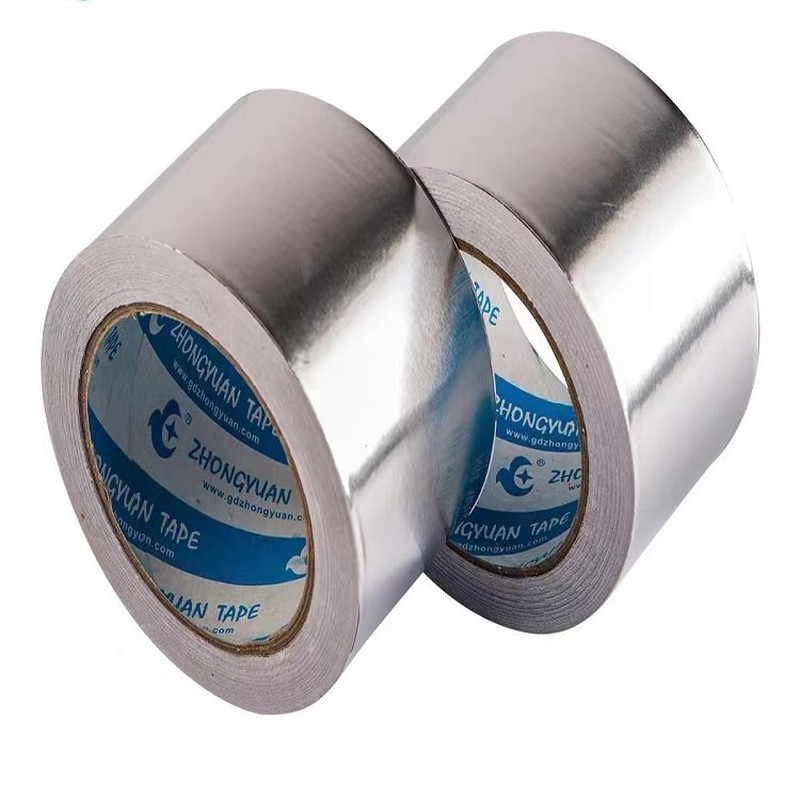
Waterproof tape can indeed be applied to wet surfaces, as one of its primary features is the ability to adhere to damp or submerged materials. The adhesive formulations used in waterproof tapes are designed to maintain strong bonding even in the presence of moisture, making them suitable for various applications where exposure to water is expected or unavoidable.
However, the effectiveness of the tape on a wet surface may be compromised if the surface is extremely greasy, oily, or contaminated with chemicals that can interfere with the adhesive's performance. It is also important to ensure that the surface is free of loose particles or debris before applying the tape to achieve the best possible adhesion.
What Are The Common Applications For Waterproof Tape
Common applications for waterproof tape include:
Plumbing Repairs: Waterproof tape is commonly used to seal leaks in pipes or plumbing fixtures. It can provide a temporary or permanent fix to prevent water from leaking out.
Roof Repairs: Waterproof tape is often used to seal cracks or small holes in roofs. It can provide a temporary solution until full repairs can be made or act as a reinforcement for existing patches.
Electrical Insulation: Waterproof tape can be used to insulate electrical connections and protect them from moisture or water damage. It is commonly used in outdoor electrical installations or in wet environments.
Outdoor Repairs: Waterproof tape is useful for making quick repairs on outdoor equipment, such as hoses, tarps, tents, or inflatable items. It can provide a temporary fix until proper repairs can be made.
Automotive Repairs: Waterproof tape can be used to seal cracks or holes in car windows, windshields, or other areas where water may enter. It can also be used to fix wiring or electrical connections in vehicles.
Sealing And Bundling: Waterproof tape can be used to seal packages or boxes that may come into contact with moisture during shipping or storage. It is also commonly used for bundling items together securely, such as cables or cords.
Emergency Repairs: Waterproof tape is often included in emergency kits or survival gear. It can be used to make temporary repairs in emergency situations, such as sealing a leaky container or tent.
What Materials Are Typically Used To Manufacture Waterproof Tape
There are several materials that are commonly used to manufacture waterproof tape. These materials include:
Polyethylene
It is a common material used in waterproof tapes due to its excellent waterproofing properties. It is a synthetic polymer that is resistant to water and moisture.
Polypropylene
Another synthetic polymer, polypropylene, is often used to produce waterproof tapes. It is known for its high strength, durability, and resistance to water.
Vinyl
Vinyl tapes are also popular for waterproofing applications. They are made from polyvinyl chloride (PVC) and have good resistance against water and moisture.
Rubber
Some waterproof tapes are made from rubber or have a rubberized coating. Rubber is naturally water-resistant and provides a flexible and adhesive backing for the tape.
Silicone
Silicone tapes are known for their excellent waterproofing capabilities. They are made from silicone rubber, which is highly resistant to water, heat, and chemicals.
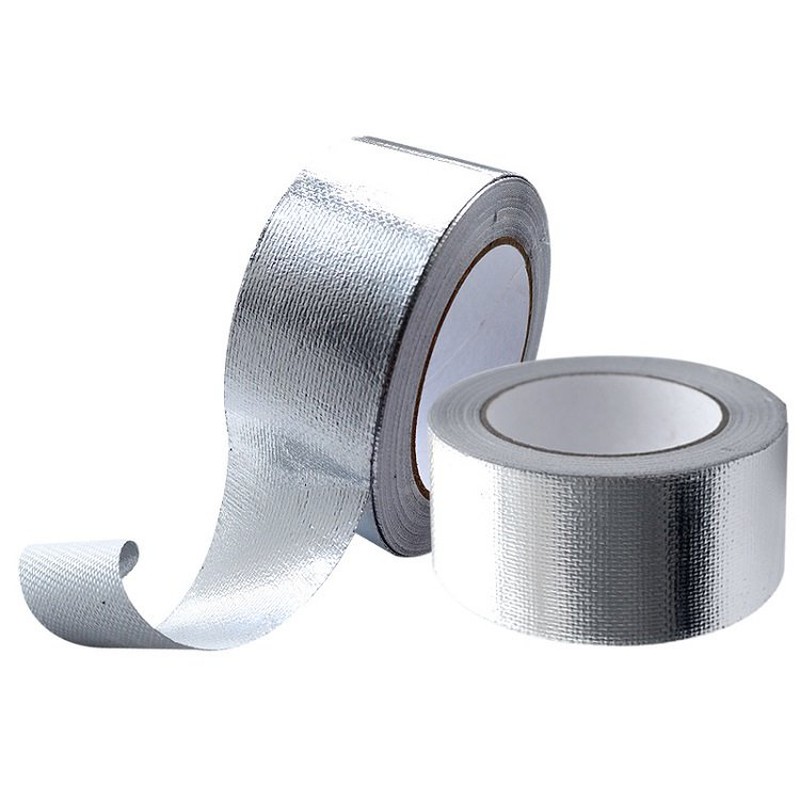
Aluminum Foil
Waterproof tapes used for sealing or patching purposes often have an aluminum foil backing. The foil provides a barrier against water and adds strength to the tape.
How Is Waterproof Tape Different From Regular Duct Tape
Waterproof tape and regular duct tape differ primarily in their adhesive properties and material composition, which are tailored to meet specific performance requirements in various environmental conditions.


Adhesive Formulation
Waterproof tape typically uses acrylic-based adhesives or rubber-based adhesives that are more resistant to water and humidity. These adhesives can maintain viscosity over time when exposed to moisture, ensuring that the tape remains adhered to surfaces. Regular duct tape often employs a cloth duck backing and a petroleum-based adhesive, which can become less sticky when wet and may degrade over time when continuously exposed to water.
Backing Material
While both tapes can have fabric or plastic backings, waterproof tapes may use more advanced materials like PVC (polyvinyl chloride), which provides enhanced resistance to water ingress and chemical corrosion. Duct tape usually has a cotton or synthetic cloth backing that is durable but not inherently waterproof.
Performance in Water
Waterproof tape is specifically engineered to perform in wet conditions. It can be submerged and still maintain its integrity and adhesion. Duct tape, while initially water-resistant, may eventually fail when subjected to prolonged immersion in water or when exposed to high levels of humidity.
Temperature Resistance
Waterproof tape is often designed to withstand a wider range of temperatures than standard duct tape. This makes it suitable for applications in harsh environments where temperature fluctuations are common.
Applications
Waterproof tape is commonly used in applications where a strong and lasting seal is needed in wet or outdoor environments, such as repairing leaks, sealing HVAC systems, marine applications, and outdoor construction. Duct tape, on the other hand, is versatile and widely used for general repair, sealing, and bundling tasks in both indoor and outdoor settings, although its utility in consistently wet conditions is limited.
Waterproof tape is generally resistant to oil and grease, but the level of resistance can vary depending on the specific type of tape and its formulation. Tapes intended for use in environments where oil and grease are present often feature adhesives that are specially designed to adhere to these substances.
These adhesives might include tackifiers and polymers that are compatible with oily surfaces and can maintain a strong bond even when exposed to hydrocarbons.
For instance, rubber-based adhesives tend to have better initial adhesion to oily surfaces compared to acrylic-based adhesives, although acrylics can be modified to improve their oil resistance. Additionally, some waterproof tapes incorporate additives that enhance their ability to stick to slick surfaces.
The backing material of the tape also plays a role. Polyester and other synthetic fabrics can be coated with adhesives that are resistant to oils and greases. These coatings help to prevent the tape from slipping or detaching from oily surfaces.
How does Waterproof Tape work
Waterproof tape works through a combination of its material composition and adhesive properties, which enable it to form a strong and durable bond with surfaces even when exposed to water. Here's a detailed breakdown of how it functions:
Adhesive Composition
The adhesive in waterproof tape is typically formulated with polymers that have hydrophobic (water-repelling) characteristics. These polymers create a barrier that prevents water from penetrating through the adhesive layer, thus maintaining the bond's integrity. Acrylic-based adhesives are common in waterproof tapes due to their excellent adhesion to various surfaces and their ability to resist degradation in water.
Material Backing
The tape's backing material is chosen based on its compatibility with the adhesive and its ability to provide a stable platform for the adhesive to function. Waterproof tapes often use materials like polyethylene (PE), polyvinyl chloride (PVC), or other synthetics that do not absorb water and maintain their structural integrity when wet.
Surface Preparation
For optimal adhesion, the surface to which the tape is applied must be clean, free of oil, dust, and other contaminants. Any foreign substances can prevent the adhesive from forming a proper bond with the substrate.
Pressure and Contact Time
When the tape is applied to a surface, pressure is used to ensure good contact between the adhesive and the substrate. This helps to remove air bubbles and ensures that the adhesive flows into any microscopic imperfections on the surface, creating a stronger bond. A sufficient amount of contact time allows the adhesive to cure and develop full strength, which is crucial for maintaining the waterproof seal.
Curing Process
Some waterproof tapes contain adhesives that require a curing process to reach their full waterproofing potential. This curing can occur at room temperature or may require heat to accelerate the process. During curing, chemical reactions within the adhesive strengthen the bonds between the polymer molecules.
Mechanical Bonding
In addition to the chemical adhesion provided by the polymeric adhesive, waterproof tapes often create a mechanical bond with the substrate. This is achieved by the tape backing material pressing into the surface details, creating friction and additional resistance against water and shear forces.
Can Waterproof Tape Be Removed Easily
The ease with which waterproof tape can be removed largely depends on the type of tape used, the surface to which it was applied, and how long it has been in place. Some waterproof tapes are designed for easy removal, while others are formulated to stick tenaciously to surfaces and may require more effort to remove without damaging the substrate.
Here Are Factors That Influence The Removability Of Waterproof Tape:
Adhesive Strength
Tapes with strong adhesives are more difficult to remove, especially after a prolonged period. Adhesives are developed to adhere well to certain surfaces, and some are formulated to be resistant to weathering and environmental factors, which can make them more challenging to remove.
Surface Type
The nature of the surface to which the tape is applied plays a significant role. Smooth, non-porous surfaces like glass or plastic may retain less adhesive residue compared to rough or porous surfaces like wood or textured paint.
Duration Of Application
The longer the tape remains in place, the more likely it is that the adhesive will penetrate the surface or leave behind residue upon removal. Over time, the adhesive can also oxidize or become brittle, which makes removal more difficult.
Temperature And Exposure
Extreme temperatures and direct sunlight can affect both the adhesive and the surface, potentially causing the tape to adhere more strongly. Conversely, very cold conditions might make the tape more fragile and easier to peel off but could also cause the adhesive to crack and leave behind residue.
Heat Application
Using a hairdryer or heat gun can soften the adhesive, making it easier to lift the edge of the tape and peel it away. However, care must be taken to avoid overheating, which could damage the surface or cause the tape to melt.
Solvent Use
Some adhesives can be dissolved with specific solvents, such as alcohol or citrus-based cleaners. Using these substances can help loosen the adhesive, although caution is advised as they might damage the surface or pose health risks.
Mechanical Removal
Slowly peeling the tape back at a low angle and using a plastic scraper or credit card to gently lift the adhesive can minimize surface damage. This process should be done carefully to avoid gouging or scratching the surface.
Can Waterproof Tape Be Used For Temporary Repairs
Waterproof tape can indeed be used for temporary repairs in various situations where immediate sealing or securing is required. Its effectiveness as a temporary fix depends on several factors, including the nature of the repair, the environment in which the repair will be exposed, and the duration for which the repair needs to hold.
Here Are Some Key Considerations For Using Waterproof Tape As a Temporary Repair:
Surface Preparation
The area to be repaired should be clean, dry, and free of debris. Proper preparation enhances the tape's adhesion and increases the likelihood that the repair will last until a more permanent solution can be implemented.
Material Compatibility
Ensure that the tape is compatible with the materials being repaired. For example, some tapes may not adhere well to very smooth or porous surfaces without proper priming or preparation.
Environmental Conditions
Consider the environmental factors that the repair will face, such as temperature fluctuations, UV exposure, and contact with chemicals or solvents. Waterproof tape designed for harsh conditions will likely perform better in a temporary capacity than one meant for light-duty use.
Load and Stress
Assess the physical stresses that the repair will endure, such as tension, vibration, or impact. Waterproof tape may not be suitable for repairs under heavy loads or in dynamic applications where movement could cause the tape to fail.
Durability
Although waterproof tape is designed to resist water, it may not withstand prolonged immersion or continuous exposure to running water. For temporary repairs in such environments, choose a tape with enhanced durability and water resistance.
Time Frame
Understand that waterproof tape is a temporary solution. It may degrade over time, especially when subjected to the elements or harsh conditions. Plan to replace the tape with a more appropriate, long-term repair method as soon as possible.
Examples Of Situations Where Waterproof Tape Can Be Used As a Temporary Repair Include:
‣Sealing small leaks in pipes or hoses until a permanent fix can be made.
‣Temporarily patching holes in tarps, tent fabrics, or other waterproof materials.
‣Securing loose fixtures or components on outdoor equipment exposed to rain and moisture.
‣Creating a waterproof seal around electrical connections in damp environments.
Can Waterproof Tape Be Used To Repair Inflatable Objects
Waterproof tape can be used to repair minor punctures or tears in inflatable objects, such as pool toys, inflatable boats, air mattresses, and sports equipment. The success of the repair depends on several factors, including the size and location of the damage, the type of tape used, and the condition of the object being repaired.
Here Are Some Guidelines And Considerations For Using Waterproof Tape To Repair Inflatables:
Surface Preparation
The area around the repair site should be clean and dry. Remove any dirt, debris, or moisture to ensure that the tape will adhere properly.
Select Appropriate Tape
Choose a waterproof tape specifically designed for use with inflatables or one that is known for its durability and flexibility. Look for tapes with strong adhesives that can bond to the material of the inflatable object.
Patch Kit
Some inflatables come with built-in repair kits that include patches and adhesives. If available, these patches are usually the best option because they are specifically designed for the material of the inflatable object.
Application Technique
Apply the tape smoothly and firmly over the damaged area. Press down on the tape to ensure good contact between the adhesive and the surface. Avoid wrinkles or bubbles, as these can weaken the repair and lead to failure.
Seal Edges
Make sure the edges of the tape are sealed tightly against the inflatable object to prevent water or air from seeping through.
Test for Leaks
After applying the tape, inflate the object and inspect it for leaks. Listen for escaping air or apply soapy water to the repair site to check for bubbles, which indicate a leak.
Durability
Recognize that waterproof tape is a temporary solution and may not last as long as a professional repair or replacement of the inflatable object. The repair may need to be reinforced or replaced after extended use or exposure to harsh conditions.
Safety and Functionality
Ensure that the repair does not compromise the safety or functionality of the inflatable object. In critical applications, such as life rafts or high-pressure inflatables, it is important to follow manufacturers' recommendations and use appropriate repair methods.
Certifications


Changzhou Dibona Plastics Co.,Ltd. was established in 2014. The company is committed to the research, development, production and sales of hot melt adhesive series films. The products have a first-class brand image and excellent professional quality, equipped with a rigorous and perfect management system, a high-quality management and R&D team, and a complete and standardized after-sales service system.
FAQ
Q: How does waterproof tape work?
Q: Where can waterproof tape be used?
Q: Is waterproof tape easy to use?
Q: Can waterproof tape be removed?
Q: How long does waterproof tape last?
Q: Does waterproof tape work on all surfaces?
Q: Can waterproof tape be painted over?
Q: Is waterproof tape resistant to extreme temperatures?
Q: Can waterproof tape be used for electrical applications?
Q: How does waterproof tape compare to other waterproofing methods?
Q: Can waterproof tape be used for medical purposes?
Q: What should I consider when choosing waterproof tape?
Q: Can waterproof tape be used on fabric or clothing?
Q: Is waterproof tape safe for drinking water applications?
Q: Can waterproof tape be used on wet surfaces?
Q: Can waterproof tape be used for automotive repairs?
Q: Is waterproof tape resistant to chemicals?
Q: Can waterproof tape be used for underwater sports or activities?
Q: What is waterproof tape?
Q: Can waterproof tape be used underwater?
Hot Tags: waterproof tape, China waterproof tape manufacturers, suppliers, factory, furnace foil tape, colored aluminum tape, disadvantage aluminum foil tape, multi purpose foil tape, warranty aluminum foil tape, exchange aluminum foil tape


