

What Is Square Bottom Bag
A square bottom bag is a type of bag that has a square-shaped bottom, as opposed to a traditional flat-bottomed bag. The square bottom allows the bag to stand upright on its own, making it convenient for packaging and carrying various items. Square bottom bags are commonly used in industries such as retail, grocery, and food packaging, as well as for promotional purposes. They are typically made from materials like paper or plastic and are available in various sizes and designs.
Advantages of Square Bottom Bag
Increased Stability: The square bottom design allows the bag to stand upright on its own, providing greater stability when storing or transporting items. This makes it easier to stack the bags and prevents them from tipping over.
More Storage Space: The square bottom shape maximizes the bag's storage capacity. Unlike traditional flat-bottom bags, square bottom bags have a larger base area, allowing for more items to be packed inside.
Improved Product Visibility: Square bottom bags often have gussets or side panels that can be printed with branding information, product details, or advertising messages. This helps to enhance product visibility and attract attention on store shelves.
Better Product Protection: The square bottom design provides better protection for the contents of the bag. The flat base ensures that the bag remains stable and prevents items from shifting or getting crushed. This is particularly beneficial for fragile or delicate products.
Easy Filling And Sealing: Square bottom bags are typically designed with a wide opening and a flat base, making it easier to fill them with products. They can be filled more quickly and efficiently compared to bags with narrow openings or irregular shapes. Additionally, the square bottom allows for easy sealing, whether it is through heat sealing, adhesive, or other closure methods.
Environmentally Friendly: Many square bottom bags are made from recyclable materials, such as paper or biodegradable plastics. This makes them a more sustainable packaging option compared to traditional plastic bags. square bottom bags can often be reused or repurposed, reducing waste and promoting eco-friendly practices.


Why Choose Us
Rich Experience
Our company has many years of production work experience. The concept of customer-oriented and win-win cooperation makes the company more mature and stronger.
Advanced Equipment
A machine, tool or instrument designed with advanced technology and functionality to perform highly specific tasks with greater precision, efficiency and reliability.
High Quality
Our products are manufactured or executed to very high standards, using the finest materials and manufacturing processes.
Competitive Price
We have professional sourcing team and cost accounting team, stive to reduce cost and profit and provide you a good price..
Sustainable Development
Establish a good reputation and brand value in the industry, and promote the sustainable, stable, rapid and healthy development of the enterprise.
One-stop Solution
With rich experience and one-to-one service,we can help you choose products and answer technical questions.
What Are The Materials Used To Make Square Bottom Bag
Square bottom bags can be manufactured from a variety of materials, each chosen based on the specific requirements of the product being packaged, such as barrier properties, mechanical strength, and cost considerations. Here are some of the common materials used:


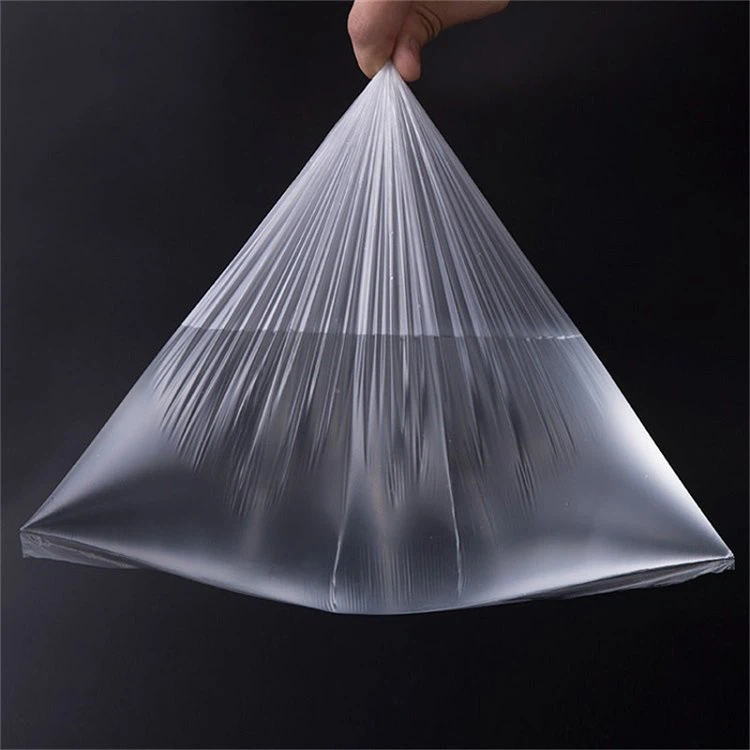
Polyethylene (PE): Low-density polyethylene (LDPE) and linear low-density polyethylene (LLDPE) are often used for their flexibility, toughness, and sealability. They are suitable for general packaging needs and are recyclable in many areas.
Polypropylene (PP): Known for its higher temperature tolerance and rigidity compared to PE, PP is used for products that need to be heat-sealed or when a stronger bag is required.
Metallocene Polymers: These are advanced versions of PE and PP with improved performance characteristics, including better clarity, enhanced seal strength, and improved barrier properties.
Biaxially Oriented Polypropylene (BOPP): This material provides excellent tensile strength and barrier properties, making it suitable for products that require a high level of protection from moisture, oxygen, and aroma transmission.
Laminated Films: Combinations of different materials, such as aluminum foil, nylon, or ethylene-vinyl alcohol copolymer (EVOH), are laminated together to create a film with superior barrier properties. This is ideal for sensitive or long-shelf-life products.
Kraft Paper: For a more eco-friendly approach, kraft paper can be used in combination with plastic films to create a bag with a natural appearance and good barrier properties.
Bioplastics: Materials like polylactic acid (PLA) or other plant-based polymers are used to create compostable or biodegradable square bottom bags, appealing to environmentally conscious consumers.
Composite Materials: These are combinations of different substrates designed to meet specific performance criteria, such as high barrier, high strength, or specific aesthetic qualities.
Yes, square bottom bags can be sealed with heat. Heat sealing is a common method used in the packaging industry to create strong, airtight seams. In the case of square bottom bags, heat sealing is typically applied to close both the side seams and form the bottom of the bag.
For Heat Sealing, The Following Steps Are Generally Taken:
Material Preparation: The bag material is fed through a sealing machine, and the areas to be sealed are aligned accurately.
Sealing Bar Application: A heated sealing bar applies pressure and heat to the bag material. The heat melts the plastic or adhesive layers, allowing them to bond together when cooled.
Cooling: After passing through the sealing bar, the sealed area is cooled to set the bond and ensure a strong seal. Cooling may be achieved using air or water chillers.
Trimming: Excess material that has been sealed together is trimmed off, leaving clean edges on the bag.
Quality Control: The seals are inspected to ensure they meet the required strength and integrity.
Heat sealing offers several advantages: It is fast, creates reliable seals, and can be easily integrated into automated packaging lines. It is suitable for a wide range of materials, including various types of plastics and laminates. However, the specific heat seal temperatures, pressures, and times will vary depending on the material composition and the desired seal characteristics.
Can square bottom bags be printed with high-resolution graphics
Yes, square bottom bags can be printed with high-resolution graphics using advanced printing technologies such as flexography, gravure printing, or digital printing. The choice of printing method depends on factors such as the type of material being used, the desired print quality, production volume, and cost considerations.
Flexography is a popular choice for printing on flexible packaging materials like plastic films and laminates. It uses flexible relief plates to transfer ink onto the material. Modern flexo machines can produce high-resolution prints with fine details and vibrant colors.
Gravure printing is another method that can deliver high-quality images with excellent detail. It involves engraving the image onto a cylinder, which then transfers the ink onto the bag material. Gravure printing is known for its high-resolution output and is often used for premium packaging.
Digital printing technology has advanced rapidly, offering the capability to print high-resolution graphics directly onto a variety of substrates. Digital printing is particularly suitable for short runs and allows for greater flexibility in design changes and personalization.
The resolution of the printed graphics is influenced by the screen ruling (the number of dots per inch or DPI) of the plates or digital files used in the printing process. Higher screen rulings result in finer details and sharper images. Additionally, the quality of the inks and the precision of the printing machinery play significant roles in achieving high-resolution graphics.
To ensure the best possible print quality, it's important to use high-resolution artwork files and to work closely with the printer to optimize the design for the selected printing method and material.
What Are The Applications Of Square Bottom Bag
Square bottom bags are versatile and widely used in various industries due to their sturdy construction and ability to stand upright. Here are some common applications:
Food Packaging
These bags are ideal for packaging dry goods such as rice, pasta, cereal, pet food, snacks, and coffee. They also work well for liquids and semi-solids like sauces, oils, and condiments when paired with appropriate film materials and sealing techniques.
Retail Merchandising
The standing feature of square bottom bags makes them attractive for display on store shelves. They provide a clear view of the contents and are easy for consumers to pick up and carry.
Pet Products
Pet food manufacturers use square bottom bags because they are durable and can be resealed, keeping pet food fresh and preventing spills.
Industrial Supplies
Bulk items such as hardware, nails, screws, and other small parts are often packaged in square bottom bags for ease of handling and protection during transport and storage.
Agricultural Products
Seeds, fertilizers, and soil amendments benefit from the strong base and resealability of square bottom bags to keep the contents contained and fresh.
Medical And Pharmaceutical Products
Square bottom bags are used for packaging medical supplies, pharmaceuticals, and personal care products that require clean, tamper-evident packaging.
Snack And Confectionery
Single-serve snack packs and candy bags often use square bottom designs to make them more appealing and easier to handle.
Freezer And Refrigerated Goods
Frozen foods, meal kits, and refrigerated items can be packaged in square bottom bags to maintain freshness and allow for easy stacking in freezers and fridges.
How Are Square Bottom Bag Manufactured
The manufacturing process of square bottom bags typically involves several steps that are carried out using specialized machinery. Below is an outline of the key stages involved in producing these bags:
Preparation of Material: The chosen material, whether it's plastic film, laminated sheets, or paper, is prepared in rolls. If a laminate is used, it must first be created by bonding multiple layers together under heat and pressure.
Plastic Extrusion: For bags made from plastic films, the resin is melted and extruded through a flat die to create a thin sheet. This sheet is then cooled and wound onto large rolls.
Printing: The material may be printed using flexographic printing techniques to add branding, logos, and other graphics. Inkjet or rotogravure printing can also be used depending on the quality and complexity of the design.
Die Cutting: After printing, the material is fed into a die-cutting machine that uses sharp steel rule dies to cut out the individual bag shapes. This step may involve cutting out the square bottoms as well.
Folding: The pre-cut material is then fed into a folder machine, which folds the material along predetermined lines to create the basic bag shape, including the square bottom.
Gluing: Glue is applied at the seams where the sides of the bag come together, and the bottom is formed. For square bottom bags, this involves gluing the four corners to form the base, giving the bag its distinctive shape.
Forming The Bottom: The square bottom is created by folding the corners of the bag inward and gluing them to form a flat bottom that stands up when filled. This can be done manually or automatically, depending on the production volume and equipment available.
Finishing: The bags pass through a series of rollers that apply heat and pressure to secure the seams and bottom, ensuring they are sealed properly. Additional features like handles, zippers, or spouts may be added at this stage.
Inspection And Quality Control: Each bag is inspected for defects such as poor seals, incorrect printing, or damage. Quality control measures are critical to ensure the bags meet the required standards.
Cutting And Counting: The continuous web of bags is cut into individual units and counted if necessary for packaging.
Packaging: The finished bags are stacked, bundled, or packaged according to customer specifications for shipping and distribution.
How is a square bottom bag different from a regular bag
A square bottom bag, also known as a box-bottom bag, is different from a regular bag in terms of its shape and functionality. Here are some key differences:
Shape: A square bottom bag has a flat, square-shaped base that allows it to stand upright without support. In contrast, a regular bag often has a flat or rounded bottom, which may not provide stability when placed on a surface.
Stability: Due to its square base, a square bottom bag offers better stability and balance, making it less likely to tip over or collapse when filled with items. This makes it easier to pack, stack, and transport goods securely.
Capacity: The square bottom design maximizes the bag's capacity, as it utilizes the full width and depth of the bag. This allows for more efficient use of space, enabling the bag to hold a larger volume of items compared to a regular bag with similar dimensions.
Organizational Benefits: The flat, square shape of a square bottom bag offers better organization and visibility of contents. It allows items to be neatly arranged and prevents them from shifting or getting tangled together during transportation.
Presentation: Square bottom bags often have a more aesthetically pleasing appearance, especially when displayed on store shelves or used for gift packaging. The square base provides a stable and attractive platform for showcasing products.
Can Square Bottom Bag Be Used Forvacuum Sealing
Square bottom bags are compatible with vacuum sealing, making them an excellent choice for preserving food by removing air to extend shelf life. The flat bottom of the bag ensures stability when standing upright, which can be beneficial during the sealing process, especially if the item inside is bulky or irregularly shaped.
When Preparing Square Bottom Bags For Vacuum Sealing, It Is Crucial To Follow These Steps:
Choose The Right Material
Select a bag material that is suitable for vacuum sealing. Many square bottom bags are made from materials like polyethylene (PE), polypropylene (PP), or laminates that can withstand the heat and pressure of the sealing process.
Size And Shape Consideration
Ensure that the size of the bag fits the vacuum sealer's chamber. If the item to be sealed is large or requires a flat surface, the square bottom can provide additional support.
Load The Item Carefully
Place the item inside the bag, taking care not to overfill it, as this could prevent the bag from sealing properly or create issues with the vacuum process.
Seal The Bag
Use the vacuum sealer to heat-seal the open end of the bag, creating an airtight seal once the air has been removed. Most vacuum sealers have a specific setting for the type of material being sealed.
Check For Leaks
After sealing, inspect the bag for any punctures or weak spots that might compromise the vacuum. If there are any leaks, the item may not be properly preserved.
Store Properly
Store the vacuum-sealed square bottom bags in a cool, dry place to maintain freshness and prevent spoilage.
Are Square Bottom Bags Suitable For Retail Display
Square bottom bags are indeed suitable for retail display due to several design features that make them particularly advantageous in a retail setting:
Stand-Up Ability
The square or flat bottom of the bag allows it to stand upright on store shelves without support. This makes the product more visible to customers and easier to display next to complementary items.
Increased Visibility
With their ability to stand up, square bottom bags present the product clearly, ensuring that labels, branding, and nutritional information are prominently displayed for shoppers.
Space Efficiency
These bags can be stacked neatly on shelves, optimizing space usage and creating a tidy appearance.
Versatility
Square bottom bags come in various sizes and materials, making them adaptable for different types of products, from snack foods to hardware items.
Reusability
Some square bottom bags are designed to be reusable, which can appeal to customers looking for sustainable packaging options.
Enhanced Protection
The structure of the bag provides better protection against damage during transport and handling, keeping products in good condition until purchase.
Customization Options
Brands can customize square bottom bags with unique designs, colors, and shapes to catch the eye of consumers and differentiate themselves from competitors.
How should Square Bottom Bag be stored when not in use
When a square bottom bag is not in use, it is recommended to store it in a clean and dry environment. Here are some tips for proper storage:
Clean And Dry
Ensure that the bag is clean and completely dry before storing it. This will prevent any mold, mildew, or unpleasant odors from developing.
Fold Or Collapse
Depending on the material and design of the bag, you may be able to fold it or collapse it to save space. Follow the manufacturer's instructions if available.
Avoid Sharp Objects
Keep the bag away from sharp objects or edges that could potentially damage or puncture it.
Store In a Cool And Dry Place
Choose a storage area that is cool, dry, and away from direct sunlight. Extreme temperatures or high humidity can deteriorate the bag's material over time.
Avoid Excessive Weight
Do not place heavy objects on top of the bag, as it may cause it to lose its shape or develop creases.
Use a Dust Bag Or Cover
If you have a dust bag or cover that came with the bag, use it to protect it from dust, dirt, and potential scratches.
Hang Or Stack
Depending on the size and material of the bag, you can hang it on a hook or hanger to prevent it from getting crushed. Alternatively, you can stack it with other lightweight items to save space.
How To Choose The Right Square Bottom Bag Size
Choosing the right size for a square bottom bag involves considering several factors related to the product being packaged, its intended use, and the preferences of the target market. Here are key steps to determine the appropriate size for a square bottom bag:
Product Volume
Measure the volume of your product to understand how much space it will occupy inside the bag. For solid products, this may involve measuring dimensions and density. For liquids or powders, you might need to calculate based on weight and bulk density.
Stacking And Display Requirements
If the bags will be displayed on shelves, consider how they will stack and whether there are any height restrictions. The size of the bag should allow for easy stacking without toppling over and should fit within standard retail shelf spaces.
Handling Convenience
Think about how consumers will carry or use the product. A larger bag may be convenient for bulk purchases, but if it's too heavy or bulky, it might not be user-friendly. Consider dividing the product into smaller, more manageable sizes.
Transportation And Storage
Evaluate how the bags will be transported and stored. Larger bags might save on shipping costs by reducing the number of packages needed, but they also require more storage space.
Market Research
Look at similar products on the market to see what sizes are popular or standard within your industry. This can give insight into consumer preferences and expectations.
Regulatory And Labeling Requirements
Ensure that the size of the bag allows for all required labeling information, such as nutritional facts, ingredients, barcodes, and branding, to be clearly displayed without being cramped.
Cost Considerations
Larger bags generally cost more due to increased material usage. Balance the cost with the value provided to the customer and the potential for sales volume.
Prototyping And Testing
Create prototypes of different bag sizes and test them with focus groups or in retail settings. Gather feedback on usability, appearance, and consumer appeal before finalizing the size.
Environmental Impact
Consider the environmental impact of the bag size. Larger bags may reduce packaging waste per unit of product, but they also increase the amount of material used.
Flexibility
Choose a size that provides some level of flexibility. Having a slightly larger bag than strictly necessary can accommodate slight variations in product volume without leading to underfilled bags.
What are the precautions for using Square Bottom Bags
When using square bottom bags, it is important to take the following precautions:
Check the weight capacity
Square bottom bags come with certain weight limits. Make sure to check the maximum weight capacity mentioned by the manufacturer and avoid exceeding it to prevent tearing or breakage.
Properly Seal The Bags
Square bottom bags often come with self-sealing mechanisms such as zippers or adhesive strips. Ensure that you seal the bags correctly to prevent any contents from falling out or getting damaged.
Store In a Suitable Environment
Square bottom bags should be stored in a clean, dry, and cool environment to maintain their structural integrity. Avoid exposure to extreme temperatures, moisture, or direct sunlight.
Avoid overstuffing
While square bottom bags offer a larger capacity than traditional flat bags, it is important not to overstuff them. Overloading can cause strain on the seams and weaken the bag's structure.
Handle With Care
When carrying or transporting square bottom bags, handle them with care to prevent any punctures or tears. Avoid dragging them on rough surfaces or sharp edges that might cause damage.
Do Not Use For Sharp Objects
Square bottom bags are typically not designed to hold sharp or pointed objects that can puncture the bag. Avoid using them for items like knives or other sharp tools to prevent accidents and bag damage.
Certifications


Changzhou Dibona Plastics Co.,Ltd. was established in 2014. The company is committed to the research, development, production and sales of hot melt adhesive series films. The products have a first-class brand image and excellent professional quality, equipped with a rigorous and perfect management system, a high-quality management and R&D team, and a complete and standardized after-sales service system.
FAQ
Q: What are the benefits of using square bottom bags?
Q: What materials are square bottom bags made of?
Q: What products are typically packaged in square bottom bags?
Q: How are square bottom bags different from traditional flat-bottom bags?
Q: How are square bottom bags manufactured?
Q: Are square bottom bags customizable?
Q: Can square bottom bags be resealed?
Q: Are square bottom bags environmentally friendly?
Q: Are square bottom bags suitable for shipping?
Q: Can square bottom bags be heat-sealed?
Q: What is a square bottom bag?
Q: What are the advantages of square bottom bags?
Q: How are square bottom bags sealed?
Q: Are square bottom bags suitable for retail display?
Q: Are square bottom bags cost-effective?
Q: Can square bottom bags be used in automated filling lines?
Q: Are square bottom bags FDA-approved for food packaging?
Q: Can square bottom bags be printed with high-resolution graphics?
Q: How can square bottom bags be stored?
Q: Are square bottom bags suitable for bulky or heavy products?
Hot Tags: square bottom bag, China square bottom bag manufacturers, suppliers, factory, spoon pocket, cutlery pocket, first aid pocket, lipstick pocket, vitamin pocket, snap pocket


