

What Is Electric Conductive Film
An electric conductive film is a thin layer or coating made from materials that have high electrical conductivity. It is typically used to create a conductive path or connection between different components or surfaces in electrical and electronic devices.
Advantages of Electric Conductive Film
Transparency: Electric conductive films can be made to be highly transparent, allowing for clear visibility through the film. This makes them ideal for applications where transparency is essential, such as touchscreens and displays.
Flexibility: Electric conductive films can be manufactured to be flexible, allowing them to be easily bent or curved to fit various shapes and sizes. This flexibility makes them suitable for applications where rigid materials are not practical, such as flexible displays and wearable devices.
Conductivity: Electric conductive films have excellent electrical conductivity, allowing them to efficiently transmit electrical signals. This makes them suitable for applications that require high-speed data transmission, such as touchscreens and electromagnetic shielding.
Durability: Electric conductive films are typically made from durable materials that can withstand harsh environmental conditions, such as temperature changes and moisture. This durability ensures that the films can maintain their functionality and performance over an extended period.
Customizability: Electric conductive films can be customized to specific requirements, such as thickness, conductivity, and optical properties. This allows manufacturers to tailor the films to their specific application needs, ensuring optimal performance and functionality.
Environmental friendliness: Electric conductive films can be manufactured using eco-friendly materials, such as conductive polymers, which are non-toxic and recyclable. This makes them a more sustainable option compared to other conductive materials, such as metals.


Why Choose Us
Rich Experience
Our company has many years of production work experience. The concept of customer-oriented and win-win cooperation makes the company more mature and stronger.
Advanced Equipment
A machine, tool or instrument designed with advanced technology and functionality to perform highly specific tasks with greater precision, efficiency and reliability.
High Quality
Our products are manufactured or executed to very high standards, using the finest materials and manufacturing processes.
Competitive Price
We have professional sourcing team and cost accounting team, stive to reduce cost and profit and provide you a good price..
Sustainable Development
Establish a good reputation and brand value in the industry, and promote the sustainable, stable, rapid and healthy development of the enterprise.
One-stop Solution
With rich experience and one-to-one service,we can help you choose products and answer technical questions.
What are the different types of electric conductive films
There are several different types of electric conductive films, including:
Indium Tin Oxide (ITO) Films: ITO films are the most commonly used conductive films. They are transparent, conductive, and can be deposited on various substrates. These films are widely used in applications such as touchscreens, displays, solar cells, and smart windows.
Transparent Conductive Films (TCFs): TCFs are similar to ITO films but are made using alternative materials such as graphene, silver nanowires, carbon nanotubes, or metal meshes. These films are flexible, transparent, and offer good conductivity. TCFs are used in flexible displays, wearable electronics, and solar cells.
Silver Nanowire (AgNW) Films: AgNW films consist of a network of silver nanowires that provide excellent electrical conductivity. These films are highly transparent, flexible, and offer good mechanical strength. AgNW films find applications in touchscreens, transparent heaters, and flexible electronics.
Carbon Nanotube (CNT) Films: CNT films are made by aligning carbon nanotubes into a thin film form. These films exhibit high electrical conductivity, flexibility, and transparency. CNT films are used in applications like touchscreens, electromagnetic interference shielding, and flexible sensors.
Metal Mesh Films: Metal mesh films consist of a network of microscopic metal wires, usually made of silver or copper. These films offer good electrical conductivity, transparency, and flexibility. Metal mesh films are commonly used in touchscreens, displays, and transparent electrodes.
Conductive Polymer Films: Conductive polymer films are made using organic polymers that possess electrical conductivity. These films are flexible, lightweight, and can be processed at low temperatures. Conductive polymer films find applications in flexible electronics, solar cells, and sensors.
Copper Films: Copper films are made by depositing a thin layer of copper onto a substrate. These films offer high electrical conductivity but are not transparent. Copper films are used in applications such as printed circuit boards, RFID antennas, and electromagnetic shielding.
How Does An Electric Conductive Film Work
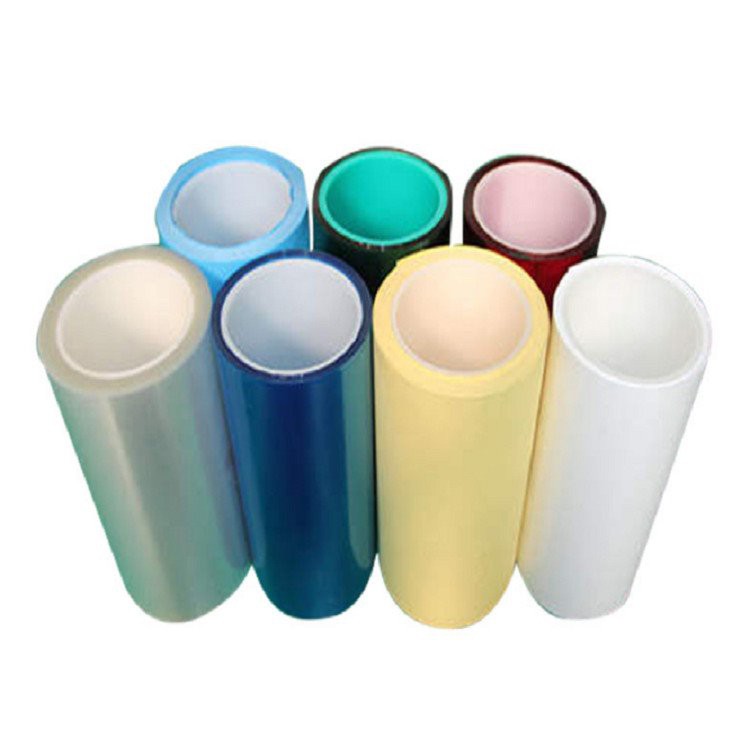
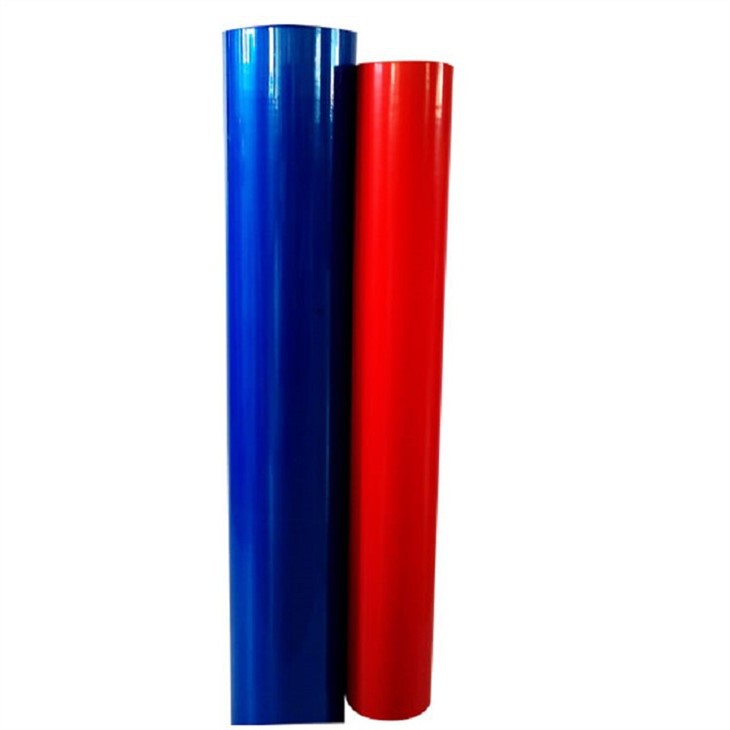

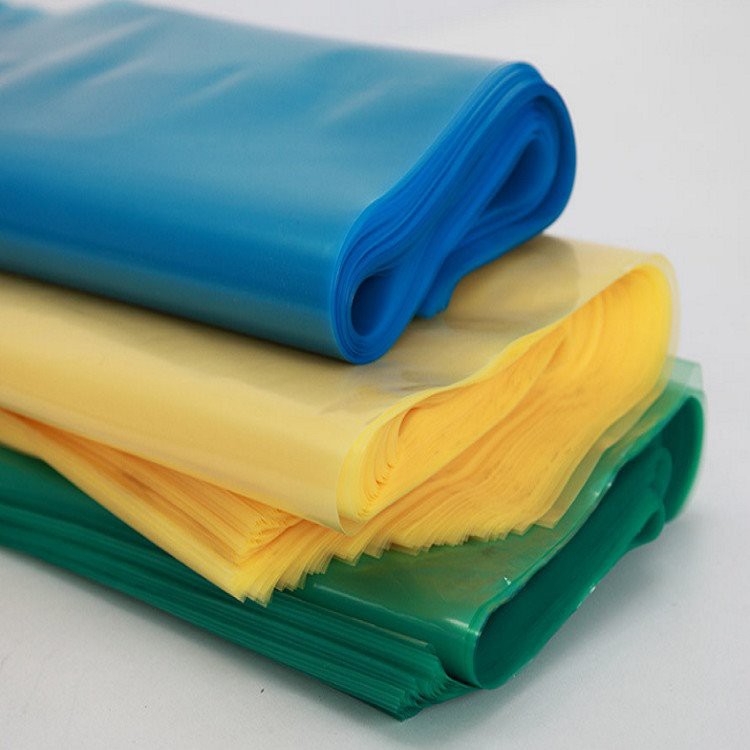
An electric conductive film works by allowing the flow of electric current through its material. It consists of a thin layer of conductive material, such as metal or conductive polymers, that is deposited onto a substrate, commonly a flexible plastic film.
The conductive material in the film is typically made up of tiny particles or fibers that are dispersed evenly throughout the film. These particles or fibers create a conductive network, allowing electrons to move freely.
When a voltage is applied to the conductive film, the electric current flows through the conductive network, creating a path for the movement of electrons. The film acts as a conductor, allowing the current to pass through it and distribute electricity.
The film's conductivity depends on the concentration and type of conductive material used, as well as the arrangement of the conductive network. Higher concentrations of conductive particles or fibers result in better conductivity.
Electric conductive films find various applications, such as touchscreens, flexible electronics, solar cells, and electromagnetic shielding. They provide a transparent and flexible solution for conducting electricity while maintaining the desired properties of the substrate material.
When selecting an electric conductive film, several factors should be considered:
Conductivity: The conductivity of the film is crucial, as it determines how efficiently electrical current can flow through the film. The film should have a low resistivity to ensure good conductivity.
Transparency: If the film is intended for use in applications like touchscreens or displays, transparency is important. The film should have a high level of transparency to allow light to pass through without distortion.
Flexibility: Depending on the application, the film may need to be flexible to conform to curved or irregular surfaces. Flexibility is particularly important in applications like flexible displays or wearable devices.
Durability: The film should be able to withstand the intended environment and usage conditions. It should be resistant to wear, scratching, and chemical exposure. Additionally, it should have good adhesion to the substrate to prevent delamination.
Thermal Stability: The film should have good thermal stability to withstand high temperatures without losing its conductivity or deforming. This is especially important in applications where the film may be exposed to heat or undergo manufacturing processes involving high temperatures.
Cost-Effectiveness: The cost of the film is a crucial factor, especially for large-scale applications. It is important to balance the desired properties with the budget constraints.
Manufacturing Process Compatibility: The film should be compatible with the manufacturing process used for the specific application. Considerations include deposition methods, compatibility with other materials, and ease of integration into the desired product.
Specific Application Requirements: Different applications may have specific requirements that need to be considered. For example, anti-static properties, electromagnetic shielding capabilities, or specific optical properties may be required based on the intended use of the film.
How Durable Are Electric Conductive Films
Electric conductive films can vary in durability depending on their specific composition and intended application. Some conductive films, such as those made from graphene or carbon nanotubes, can be very durable due to the inherent strength and flexibility of these materials. These films can withstand bending, stretching, and even folding without losing their conductivity.
The durability of electric conductive films also depends on factors like thickness, substrate material, and protective coatings. Thicker films or those with additional layers may be more durable but could be less flexible. The choice of substrate material, such as glass or plastic, can also impact durability.
The presence of protective coatings or encapsulation layers can enhance the durability of electric conductive films by preventing oxidation, moisture ingress, or mechanical damage. These coatings can improve the film's resistance to wear, scratching, and degradation over time.
Can Electric Conductive Films Be Used On Curved Surfaces
Electric conductive films can indeed be used on curved surfaces, but their effectiveness and suitability depend on several factors, including the type of film, the degree of curvature, and the application requirements. Flexible conductive films are designed to conform to curved geometries, making them suitable for a variety of applications where conventional rigid conductive materials cannot be used.
Here Are Key Points To Consider When Using Electric Conductive Films On Curved Surfaces:
Material Flexibility: The conductive film must have sufficient flexibility to bend without cracking or delaminating. Materials like polyimide with embedded metal particles or conductive polymers are often chosen for their flexibility.
Adhesion: Good adhesion to the substrate is crucial to prevent the film from peeling or detaching during bending. Specialized adhesives may be required for bonding the film to the curved surface effectively.
Conductivity Maintenance: The film needs to maintain its electrical conductivity after bending. Some materials may experience a temporary decrease in conductivity due to mechanical stress, but they should return to their original conductivity levels once the stress is relieved.
Durability: The conductive film should be durable enough to withstand repeated bending cycles without degradation. This is particularly important for applications in retractable devices, foldable displays, and wearable electronics.
Thickness and Uniformity: The film's thickness and uniformity can affect its ability to conform to curved surfaces. Thinner films generally have better flexibility and can conform more easily to complex shapes.
Manufacturing Process: The method used to apply the conductive film to the curved surface must ensure even coverage and good adhesion. Techniques such as roll-to-roll coating or screen printing are well-suited for producing films for curved applications.
Environmental Considerations: The operating environment can impact the film's performance on curved surfaces. Factors such as temperature, humidity, and exposure to chemicals can affect the film's conductivity and durability.
Integration with Other Components: When integrating conductive films into larger systems, it is important to ensure that they can work seamlessly with other components, such as connectors and sensors, on curved surfaces.
How Are Electric Conductive Films Manufactured
Electric conductive films are typically manufactured using one of the following methods:
In this method, a thin film of conductive material is deposited onto a substrate through a chemical reaction. The substrate is placed in a chamber, and the precursor gases containing the conductive material are introduced. The gases react and deposit a thin layer of conductive material on the substrate. This process can be done at low temperatures, making it suitable for temperature-sensitive substrates.
PVD involves the deposition of conductive material onto a substrate through physical means. It includes techniques like sputtering and evaporation. In sputtering, high-energy ions are used to dislodge atoms from a target material, which then deposit onto the substrate. In evaporation, the conductive material is heated to a vapor phase and then condensed onto the substrate.
Various printing techniques, such as screen printing, inkjet printing, and gravure printing, can be used to manufacture electric conductive films. Conductive inks or pastes containing conductive particles are applied onto a substrate using these printing techniques. The ink or paste is then dried or cured to form a solid conductive film.
R2R coating is a continuous manufacturing process where a substrate is unwound from a roll, passed through a coating system, and rewound onto another roll. In this process, conductive materials are coated onto the substrate using techniques like slot die coating, reverse roll coating, or curtain coating. The coated film is then dried or cured to form the conductive film.
A chemical solution containing precursors of the conductive material is applied onto a substrate using techniques like spin coating or dip coating. The substrate is then heated to evaporate the solvent and convert the precursors into a solid conductive film.
How Does Temperature Affect The Performance Of Electric Conductive Films
Temperature has a significant impact on the performance of electric conductive films, particularly in terms of their electrical conductivity and mechanical properties. The effects of temperature can be understood by examining the following aspects:
Electrical Conductivity
Many conductive films, especially those made of metals, exhibit an increase in electrical conductivity with increasing temperature. This is because the thermal motion of electrons increases, reducing the scattering of electrons by lattice vibrations (phonons). However, this behavior can be different for semiconducting or organic conductive materials, where an increase in temperature might lead to a decrease in conductivity due to enhanced scattering mechanisms or changes in carrier concentration.
Resistivity
As temperature rises, the resistivity of most conductive films tends to decrease. This is due to the increased kinetic energy of electrons, which facilitates their movement through the material. However, for some materials, the resistivity might increase at high temperatures if the material undergoes structural changes or if defects become more prevalent.
Mechanical Properties
High temperatures can cause conductive films to soften or even melt, depending on the material's melting point. This can result in a loss of mechanical strength, adhesion to the substrate, and potentially lead to delamination or cracks. Additionally, cyclic thermal stress can cause fatigue in the film, leading to failure over time.
Thermal Expansion
Different materials have different coefficients of thermal expansion. When a conductive film is bonded to a substrate with a different coefficient of expansion, temperature changes can induce stress at the interface. If the stress exceeds the material's elastic limit, it can lead to warping, fractures, or other forms of mechanical failure.
Lifetime and Stability
Elevated temperatures can accelerate chemical reactions and degradation processes within the conductive film, potentially reducing its lifetime and stability. This can include the oxidation of metals, the breakdown of polymers, or the migration of ions within the film.
Optical Properties
For conductive films used as transparent electrodes, temperature can affect their optical transmittance and reflectivity. Changes in the refractive index with temperature can alter the amount of light transmitted through the film, which could impact the performance of the solar cells or other optoelectronic devices.
Adhesion
High temperatures can compromise the adhesion of conductive films to their substrates. This is particularly true for organic adhesives or films that rely on van der Waals forces for adhesion. Poor adhesion can lead to delamination or separation of the film from the substrate under thermal stress.
How Do Electric Conductive Films Ensure Electromagnetic Interference (EMI) Shielding
Electric conductive films ensure electromagnetic interference (EMI) shielding by providing a conductive barrier that can divert or reflect electromagnetic waves away from sensitive electronic devices or components. Here are some ways in which electric conductive films achieve EMI shielding:
Conductivity
Electric conductive films are made of materials that have high electrical conductivity, such as metals or conductive polymers. These materials allow the films to conduct or carry electrical charges effectively.
Reflection
When an electromagnetic wave encounters an electric conductive film, the conductive properties of the film cause the wave to reflect. This reflection helps in redirecting the electromagnetic energy away from the protected area, preventing interference.
Absorption
Electric conductive films can also absorb electromagnetic waves. The conductive materials within the film dissipate the energy of the waves as heat, reducing their intensity and preventing them from interfering with nearby electronics.
Shielding Effectiveness
Electric conductive films are designed to have high shielding effectiveness, which refers to their ability to attenuate or block electromagnetic waves. The films are typically made with multiple layers or coatings, which enhance their shielding performance.
Faraday Cage Effect
Electric conductive films can create a Faraday cage effect, where the conductive material forms a continuous enclosure around the electronic device or component. This enclosure acts as a shield, blocking the penetration of external electromagnetic waves.
Surface Conductivity
The surface of electric conductive films is often treated to enhance its conductivity. This ensures that any electromagnetic waves incident on the film are effectively conducted or reflected, reducing the chances of interference.
Are Electric Conductive Films Compatible With High-Resolution Displays
Electric conductive films are indeed compatible with high-resolution displays and play a vital role in their functionality. These films are used for various purposes within display technology, including
Transparent Electrodes
One of the primary applications of conductive films in high-resolution displays is as transparent electrodes. Materials such as Indium Tin Oxide (ITO) and newer alternatives like Silver Nanowire networks and Graphene are used to create fine, transparent conductive patterns that form the pixel structures on the screen. These films allow light to pass through while conducting electricity, enabling the precise control of each pixel's color and brightness.
Touch Sensitivity
Conductive films are integral components of touchscreen technologies. They detect the position and movement of a user's finger or stylus by registering changes in capacitance or resistance across the film's surface. For high-resolution displays, these films must be highly conductive and have very fine features to support the high precision required for gestures and fine control.
Flexibility
Some high-resolution displays incorporate flexible OLED (Organic Light Emitting Diode) technology, where conductive films are used to create flexible, conductive paths that can bend and fold without breaking. This flexibility is essential for next-generation display applications, such as wearable devices and rollable screens.
Thermal Management
High-resolution displays can generate heat, especially those using LED backlighting or OLED technology. Conductive films can be used as part of the display's thermal management system, helping to dissipate heat and maintain optimal operating temperatures for both the display and the conductive films themselves.
Signal Distribution
In complex display systems, conductive films are used to distribute electrical signals across the display panel. They ensure that each pixel receives the correct signal for accurate color reproduction and high-definition images.
Material Advances
To meet the demands of high-resolution displays, there is ongoing research and development to improve the performance and reduce the cost of conductive films. This includes finding alternatives to ITO, such as conductive polymers, metallic meshes, and two-dimensional materials like graphene, which offer better conductivity, transparency, and flexibility.
Are There Any Safety Considerations When Working With Electric Conductive Films
Yes, there are several safety considerations when working with electric conductive films. Here are a few important ones
Electric Shock
Conductive films can carry electric current, so there is a risk of electric shock if proper precautions are not taken. Always ensure that the power supply is switched off and disconnected before handling conductive films.
Heat Generation
Some conductive films generate heat when an electric current passes through them. This can pose a fire hazard if the film is not properly cooled or if there are flammable materials nearby. Be aware of the heat dissipation capabilities of the film and ensure appropriate cooling measures are in place.
Chemical Hazards
Conductive films may contain chemicals or coatings that can be hazardous if mishandled or if they come into contact with skin or eyes. Follow the manufacturer's instructions regarding proper handling, use of personal protective equipment (PPE), and disposal of any hazardous materials.
Sharp Edges
Conductive films can have sharp edges that can cause cuts or injuries if handled carelessly. Use caution when cutting or manipulating the film and consider wearing gloves or other protective gear to minimize the risk of injury.
ESD (Electrostatic Discharge) Protection
Electric conductive films can be sensitive to electrostatic discharge. Take necessary precautions to minimize static electricity build-up, such as using ESD-safe workstations, wearing ESD wrist straps, and using ESD-safe packaging materials.
Fire Hazards
Conductive films, especially those made of metal or metal-coated materials, can be flammable. Keep them away from open flames, sparks, and other potential ignition sources. Ensure that appropriate fire suppression equipment is available in case of emergencies.
Certifications


Changzhou Dibona Plastics Co.,Ltd. was established in 2014. The company is committed to the research, development, production and sales of EAA hot melt adhesive series films. The products have a first-class brand image and excellent professional quality, equipped with a rigorous and perfect management system, a high-quality management and R&D team, and a complete and standardized after-sales service system.
FAQ
Q: What are the common applications of electric conductive films?
Q: What are the different types of electric conductive films?
Q: How does an electric conductive film work?
Q: What are the advantages of using electric conductive films?
Q: Are electric conductive films environmentally friendly?
Q: How are electric conductive films manufactured?
Q: Can electric conductive films be customized for specific applications?
Q: How durable are electric conductive films?
Q: Can electric conductive films be repaired if damaged?
Q: Can electric conductive films be used on curved surfaces?
Q: Are electric conductive films compatible with high-resolution displays?
Q: Can electric conductive films be used in outdoor applications?
Q: What is an electric conductive film?
Q: How do electric conductive films contribute to the efficiency of solar cells?
Q: Can electric conductive films be used for electromagnetic interference (EMI) shielding?
Q: Are electric conductive films recyclable?
Q: What are the cost considerations when using electric conductive films?
Q: Can electric conductive films be used for heating applications?
Q: What factors should be considered when selecting an electric conductive film?
Q: Are there any safety considerations when working with electric conductive films?
Hot Tags: electric conductive film, China electric conductive film manufacturers, suppliers, factory, Release Film, Food Grade Aluminum Foil Standup bag, hvac aluminum tape, aluminium vacuum bag, furnace foil tape, aluminum foil butyl rubber tape


