

What Is Release Film
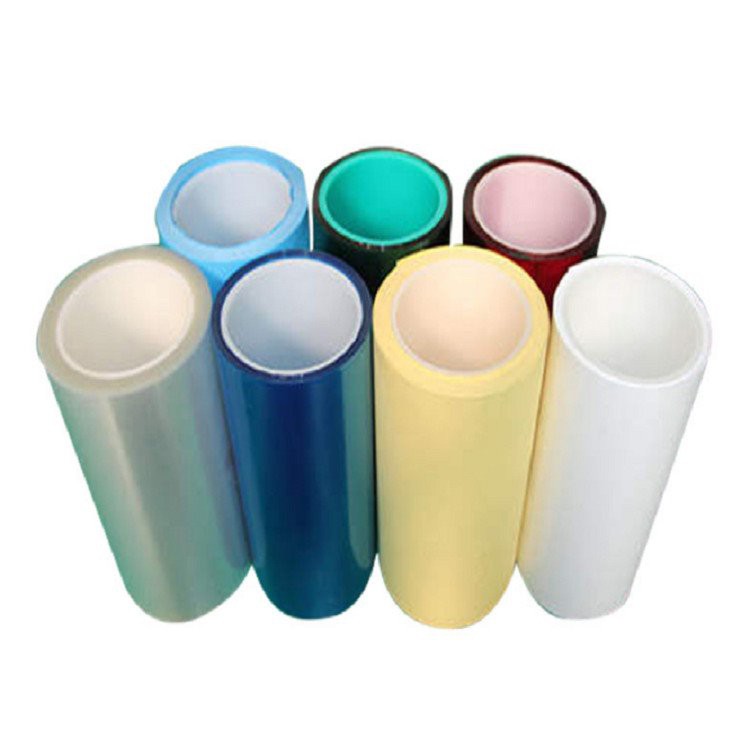
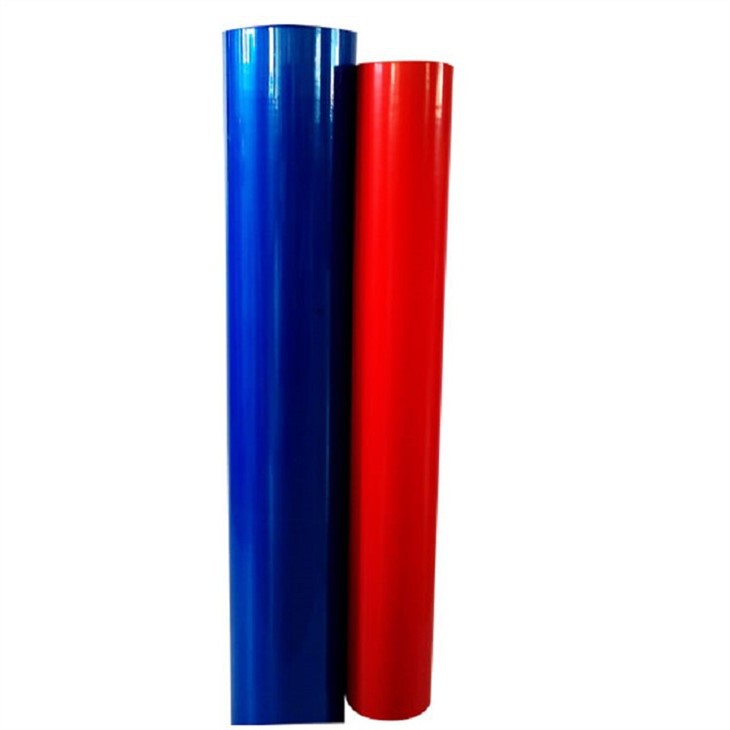
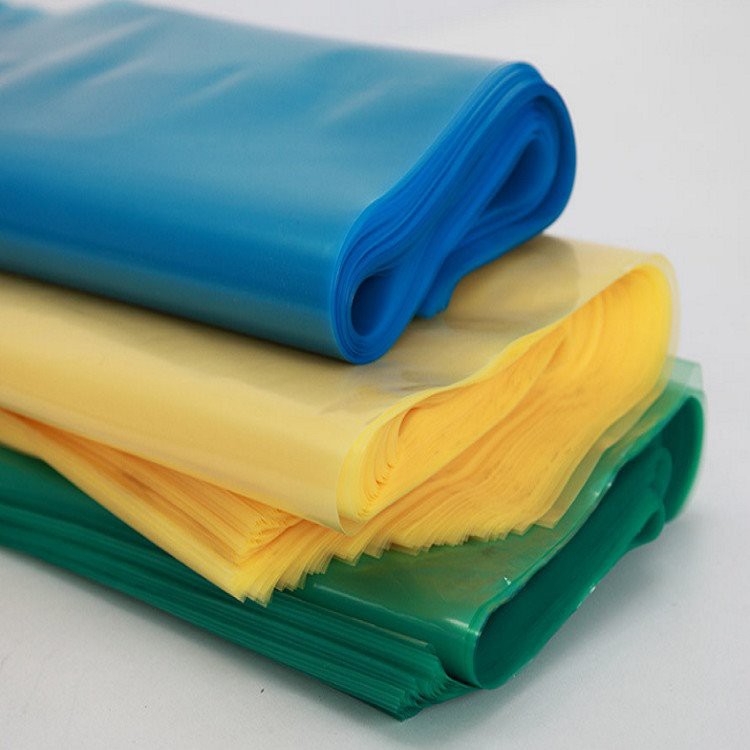
Release film refers to a thin plastic film or sheet that is used to cover or protect various surfaces or materials during production, transportation, storage, or installation. The release film is typically made from materials like polyethylene, polypropylene, polyester, or polyvinyl chloride (PVC). It is designed to have a low surface energy so that it does not stick to the surface it is covering, allowing for easy removal without leaving any residue or damaging the underlying material.
Advantages of Release Film
Improved Product Quality: By using release film, manufacturers can ensure that their products are delivered in pristine condition. The film protects the adhesive and substrate during the manufacturing and shipping process, reducing the risk of damage or contamination. This ultimately leads to higher product quality and customer satisfaction.
Easy Application: Release film is designed to be easily applied and removed. It often comes with a release liner, which makes it easy to handle and apply to the desired surface without any hassle. This makes it a convenient choice for manufacturers and end-users.
Clean Removal: Release film ensures that the adhesive can be cleanly and easily removed from the substrate without leaving any residue or damage. This is particularly important for sensitive surfaces, such as glass or painted surfaces, where any residue or damage could be costly to repair.
Efficiency: Using release film can help streamline the manufacturing process. It allows for quick and easy application of adhesive, reducing production time and costs. It also eliminates the need for additional cleaning or rework, resulting in improved efficiency.
Versatility: Release film can be used with a wide range of adhesives and substrates, making it a versatile option for various industries and applications. It can be used in industries such as automotive, electronics, packaging, and construction, among others.
Customizability: Release film can be customized to meet specific requirements. It can be made in different sizes, thicknesses, and even colors to suit different applications. This flexibility allows manufacturers to tailor the release film to their specific needs.


Why Choose Us
Rich Experience
Our company has many years of production work experience. The concept of customer-oriented and win-win cooperation makes the company more mature and stronger.
Advanced Equipment
A machine, tool or instrument designed with advanced technology and functionality to perform highly specific tasks with greater precision, efficiency and reliability.
High Quality
Our products are manufactured or executed to very high standards, using the finest materials and manufacturing processes.
Competitive Price
We have professional sourcing team and cost accounting team, stive to reduce cost and profit and provide you a good price..
Sustainable Development
Establish a good reputation and brand value in the industry, and promote the sustainable, stable, rapid and healthy development of the enterprise.
One-stop Solution
With rich experience and one-to-one service,we can help you choose products and answer technical questions.
What Are The Types Of Release Film
There are several types of release film, including:
Polyethylene Release Film: Polyethylene release film is made from a type of plastic known as polyethylene. It is lightweight, flexible, and has good tear resistance. It is commonly used in applications where low cost and ease of use are important factors.
Polypropylene Release Film: Polypropylene release film is made from polypropylene material, which offers good chemical resistance and moisture resistance. It is often used in applications where these properties are required, such as in the packaging industry.
Polyvinyl Chloride (PVC) Release Film: PVC release film is made from polyvinyl chloride, a versatile plastic material. It has good flexibility, clarity, and resistance to chemicals. It is commonly used in applications where good release properties are required, such as in the manufacturing of adhesive tapes.
Silicone Release Film: Silicone release film is coated with a layer of silicone, which provides excellent release properties. It is often used in applications where easy removal of adhesive materials is important, such as in the production of labels, stickers, and decals.
What Are The Uses Of Release Film
Release films are versatile tools used across multiple industries to prevent unwanted adhesion during manufacturing and processing. Here are some key applications:

Mold Releasing: In composite material manufacturing, such as carbon fiber or glass fiber reinforced plastics, release films are applied to molds to prevent the resin from sticking, facilitating easy removal of the finished part.
Adhesive Manufacturing: During the production of adhesive tapes or labels, a release film is placed between the adhesive and the backing paper to keep them separate until the tape is applied.
Printing: In printing processes like lithography, gravure, or offset printing, release films protect the printing plates and cylinders from ink buildup, ensuring clean images and prolonging the life of the printing components.
Electronics: For semiconductor manufacturing, release films protect circuitry during shipping and handling, preventing oxidation and contamination.
Food Processing: Specialized release films are used in the food industry for confectionery molds, baking trays, and candy making, allowing for easy demolding and preventing sticking.
Textiles: In textile manufacturing, release films are utilized in the production of non-woven fabrics and composites to prevent fibers from clumping together during processing.
To ensure the integrity and functionality of release films, proper storage is essential. Here are guidelines for storing release films to maintain their performance:
Temperature Control: Store release films at room temperature. Extreme temperatures can affect the properties of the film, causing it to become brittle or sticky, which can compromise its release characteristics.
Humidity Levels: Keep release films away from high humidity environments. Excess moisture can lead to condensation, which could cause the film to adhere to itself or other surfaces.
Avoid Direct Sunlight: Protect release films from direct sunlight and UV radiation, as these can degrade the material over time, reducing its effectiveness.
Original Packaging: Store release films in their original packaging until use. The original packaging is designed to protect the film from environmental factors. If the film has been removed from its packaging, re-roll it tightly and place it back into a new protective sleeve or container.
Separation: If stacking rolls of release film, ensure that each roll is separated by a cardboard spacer or a sheet of the same film to prevent them from sticking together.
Vertical Storage: Store rolls of release film vertically on racks or shelves to prevent flat spots from developing due to weight distribution over time.
Protection from Chemicals: Keep release films away from solvents, oils, and other chemicals that may react with the film's surface, altering its release properties.
Handling Precautions: When handling release films, wear gloves to avoid contaminating the surface with oils or perspiration from fingers, which could affect its release characteristics.
Inventory Management: Rotate stock regularly to ensure that older materials are used first, reducing the risk of outdated products losing their efficacy due to extended shelf life.
Will Release Film React With Chemicals
Release films are engineered to resist adhesion and often provide a barrier against various substances, but they can still interact with certain chemicals. The degree of reaction depends on the chemical's nature and the composition of the release film.
Most release films are made from polymers such as silicone, fluoropolymers, or modified acrylics, which are chosen for their inertness and ability to withstand a wide range of conditions. However, even these materials can be affected by strong solvents, harsh chemicals, or prolonged exposure to corrosive substances.
For instance, solvents like acetone, MEK (methyl ethyl ketone), or aromatic hydrocarbons can dissolve or swell certain types of release films, leading to a loss of their release properties or structural integrity. Similarly, alkalis and acids can degrade the film if the concentration is high enough or the contact is prolonged.
It is essential to consult the release film manufacturer's technical data sheets or safety datasheets to understand the film's chemical resistance profile. These documents typically list the compatible and incompatible chemicals, as well as providing guidance on the maximum exposure time and concentration limits.
When working with chemicals, it is advisable to perform a compatibility test before full-scale application to verify that the release film will not react under the intended conditions. This ensures that the film maintains its performance and that no unintended reactions occur, which could compromise the quality of the final product or pose a safety risk.
How To Remove Release Film
Removing release film without damaging the surface it was protecting involves careful technique and the use of the right tools. Here's a step-by-step guide:
Preparation: Begin by cleaning the surface area around the release film to remove any dirt, dust, or debris. This will help prevent the film from sticking and tearing as you peel it off.
Inspection: Examine the release film to identify any seams or weak points where the film might be easier to start peeling. Some films have a tab or a corner specifically designed for this purpose.
Application of Heat: If the film is heat-activated (common in adhesive applications), use a hair dryer or heat gun set to a low temperature to gently warm the edges of the film. Heat can make the adhesive more pliable and easier to remove. Be cautious not to overheat the film, as excessive heat can damage the underlying material or activate the adhesive.
Start Peeling: Use your fingers or tweezers to carefully lift one edge of the release film. Start peeling slowly at a low angle to minimize the force exerted on the adhesive. If the film does not come up easily, stop and try again at a different spot.
Smooth Peeling: As you peel the film back, smooth it down with your free hand to ensure that the adhesive does not stick to itself or to the surface. Continue peeling at a steady pace, applying gentle pressure as needed.
Reapplication of Heat: If the film starts to resist or there are areas where the adhesive remains stuck, reapply heat to soften the adhesive and continue peeling.
Clean Up: After removing the release film, inspect the surface for any remaining adhesive residue. Use an appropriate solvent, such as isopropyl alcohol, to clean the area, taking care not to damage the surface.
Disposal: Properly dispose of the release film in accordance with local waste management regulations. If the film is contaminated with chemicals or adhesives, it may need special disposal procedures.
Will Release Film Affect The Surface Of The Substrate
Release film is generally designed to protect the surface of a substrate during processes such as molding, laminating, or coating, and it should not leave any residue or negatively affect the substrate's surface upon removal. However, the potential impact on the substrate's surface can depend on several factors:
Compatibility
The release film must be compatible with the substrate to avoid any chemical reactions or adhesion issues. If the film is not compatible, it might stick to the substrate and tear, leaving behind particles or residue.
Adhesion Quality
High-quality release films have a consistent adhesion layer that allows easy removal without transferring adhesive to the substrate. Poorly manufactured films may not have uniform adhesion, leading to a higher chance of residue left on the surface.
Surface Preparation
A clean and properly prepared substrate surface helps ensure that the release film will adhere and remove without issue. Any contaminants, such as oils, dust, or moisture, can affect both the adhesion of the film and its removal.
Environmental Conditions
Extreme temperatures, high humidity, or direct sunlight can degrade the release film, making it more likely to leave residue when removed.
Film Material
Different materials used in release films have varying levels of flexibility and elasticity. Some materials may stretch or conform too closely to the substrate's surface features, potentially leading to tearing and residue.
Removal Technique
The method of removal can also affect the substrate's surface. For example, pulling the film off too quickly or at an incorrect angle can increase the risk of tearing and residue.
Will Release Film Change Color Over Time
Release films can indeed change color over time due to several factors, including exposure to environmental conditions, ultraviolet (UV) light, oxidation, and thermal degradation. The rate and extent of color change will depend on the material composition of the release film and the severity of the exposure.
Many polymers used in release films are sensitive to UV light, which can cause photooxidation and lead to a change in color. This process can result in yellowing or other discolorations, especially in clear or translucent films.
Oxygen in the air can react with certain components of the release film, causing chemical changes that may manifest as color shifts. Oxidation is accelerated by heat, UV light, and certain catalysts.
High temperatures can break down the molecular structure of the release film's polymer, leading to color changes. Thermal degradation may also reduce the film's effectiveness as a release agent.
If the release film comes into contact with certain chemicals, it might absorb or react with them, resulting in a color change. This is particularly relevant in environments where solvents, oils, or other reactive substances are present.
Over time, even without exposure to extreme conditions, release films can gradually change color due to natural aging of the material. This process is usually slower compared to exposure-induced color changes.
How Is Release Film Manufactured
Release film, also known as release liner or release paper, is a specialized material used in various industries, particularly in adhesive applications. The manufacturing process of release film involves several steps
Coating
The base material, which can be paper or plastic, is coated with a release agent on one or both sides. The release agent is typically a mixture of silicone, solvents, and other additives. The coating can be done through various methods such as knife coating, gravure coating, or slot-die coating.
Drying
After coating, the material is passed through a drying oven or a series of dryers to remove the solvents and to solidify the release agent. This step ensures that the release agent forms a thin, uniform layer on the base material.
Calendering
In some cases, the release film may undergo a calendering process. Calendering involves passing the material through a series of heated rollers to smooth out any imperfections and to achieve the desired thickness and surface finish.
Slitting
Once the release film is fully dried and calendered (if required), it is slit into narrower rolls of the desired width. Slitting can be done manually or using specialized machines.
Quality Control
Throughout the manufacturing process, quality control measures are implemented to ensure that the release film meets the required specifications. This may include testing the release force, thickness, surface smoothness, and other relevant parameters.
Packaging
The final release film rolls are packaged and prepared for shipment to customers or further processing. They are usually wrapped in protective materials to prevent damage during transportation.
How To Choose The Right Release Film
Choosing the right release film depends on several factors, including the specific application, the type of material being released, and the desired properties of the release film. Here are some factors to consider when choosing the right release film:
Material Compatibility
Ensure that the release film is compatible with the material being released. Different materials may require different release properties or have specific requirements for temperature, pressure, or chemical resistance.
Release Properties
Consider the desired release properties, such as the level of adhesion or tackiness required. Some release films have low-tack surfaces that provide easy and clean release, while others may have higher adhesion for more challenging release applications.
Substrate And Surface Finish
Consider the substrate and its surface finish. Different release films may be suitable for different substrates such as plastic, metal, or glass. The surface finish of the substrate, such as smooth or textured, may also affect the choice of release film.
Temperature And Pressure Requirements
Consider the temperature and pressure conditions during the release process. Some release films are designed to withstand high temperatures or pressures, while others may have limitations. Ensure that the chosen release film can handle the specific conditions of the application.
Application Method
Consider the method of applying the release film. Some release films are available in sheets or rolls, while others may come in the form of sprays or coatings. Choose a release film that is compatible with the chosen application method for ease of use.
Cost And Availability
Consider the cost and availability of the release film. Compare different options to find a release film that fits within the budget and is readily accessible.
Testing And Evaluation
It is advisable to conduct testing and evaluation of different release films before making a final decision. Perform small-scale trials or seek samples from suppliers to ensure that the chosen release film meets the specific requirements of the application.
How To Install Release Film
To install release film, follow these steps:
Prepare The Surface
Clean the surface where you plan to install the release film. Remove any dust, dirt, and debris. Ensure the surface is smooth and dry.
Measure And Cut
Measure the area where you want to apply the release film and cut the film to the required size. Use a sharp utility knife or scissors for cutting.
Peel Off The Backing
Carefully peel off the backing paper from the release film, exposing the adhesive side.
Position And Apply
Position the release film onto the surface, aligning it properly. Start from one corner and slowly press the film onto the surface, working your way towards the opposite corner. Avoid trapping any air bubbles beneath the film.
Smooth Out And Remove Air Bubbles
Use a squeegee or a flat plastic card to smooth out the film and remove any air bubbles. Start from the center and move towards the edges, applying even pressure.
Trim The Edges
Once the film is applied and smoothed out, use a sharp knife or scissors to trim any excess film along the edges. Take care not to damage the underlying surface.
Final Check
Inspect the installed release film for any remaining air bubbles or imperfections. If necessary, use the squeegee or card to remove them.
Allow Time To Bond
Give the release film some time to bond with the surface before subjecting it to any stress or strain. Follow the manufacturer's instructions for the recommended bonding time.
What Are The Precautions For Using Release Film
Using release film requires attention to several precautions to maintain the integrity of both the film and the substrate it is protecting, as well as to ensure safe handling
Compatibility Check
Before applying the release film, verify that it is compatible with the substrate material and any adhesives or coatings that may be involved. Incompatible materials can lead to adhesion problems or damage to the surface.
Surface Preparation
Clean the substrate thoroughly to remove any contaminants such as dirt, oil, grease, or moisture. Contaminated surfaces can prevent the release film from adhering properly, leading to premature failure or tearing.
Storage Conditions
Store release film away from direct sunlight, high temperatures, and humid conditions to prevent degradation and ensure that it retains its properties. Improper storage can cause the film to become brittle or sticky, affecting performance.
Handling Precautions
Handle the release film gently to avoid stretching, tearing, or creating creases. Use gloves if necessary to prevent fingerprints or oils from transferring to the film's surface.
Application Technique
Apply the release film smoothly and evenly, avoiding air bubbles and wrinkles. Use recommended application methods, such as rolling or pressing, to ensure good contact with the substrate.
Edge Sealing
Secure the edges of the release film to prevent it from lifting or peeling at the corners. This is particularly important in applications where the film needs to remain in place for extended periods.
Temperature Considerations
Be aware of the service temperature range of the release film. Applying the film beyond its recommended temperature limits can compromise its performance and potentially damage the substrate.
Removal Procedure
When removing the release film, do so slowly and evenly, preferably at an angle parallel to the substrate's surface. Avoid rapid or forceful removal, which can cause the film to tear and leave residue.
Safety Data Sheet (SDS)
Review the SDS for the release film to understand any hazards associated with its use, storage, and disposal. Follow all recommended safety guidelines to protect personnel and the environment.
Certifications


Changzhou Dibona Plastics Co.,Ltd. was established in 2014. The company is committed to the research, development, production and sales of hot melt adhesive series films. The products have a first-class brand image and excellent professional quality, equipped with a rigorous and perfect management system, a high-quality management and R&D team, and a complete and standardized after-sales service system.
FAQ
Q: What are the materials used to make Release Film?
Q: How does Release Film work?
Q: What are the applications of Release Film?
Q: Can Release Film be customized to specific sizes and shapes?
Q: What are the benefits of using Release Film?
Q: Is Release Film reusable?
Q: How should Release Film be stored?
Q: Can Release Film be used for food packaging?
Q: Are there different grades of Release Film available?
Q: How do I choose the right Release Film for my application?
Q: Can Release Film be used in industrial processes?
Q: Is Release Film heat resistant?
Q: How do I apply Release Film?
Q: Can Release Film be recycled?
Q: What are the common thicknesses of Release Film available?
Q: Can Release Film be perforated or patterned?
Q: Can Release Film be printed on?
Q: How does the surface finish of Release Film affect its performance?
Q: Can Release Film be combined with other materials?
Q: Can release films be used in extreme temperature environments?
Hot Tags: release film, China release film manufacturers, suppliers, factory, bilayer film, stretchable functional film, non uniform functional film, Flame Retardant Coating, Rust Resistant Film, retail functional film


