

Hey there! As a supplier of Food Packaging Bag, I've been getting a lot of questions lately about whether there are differences in food packaging bags for gluten - free food. Well, let's dig into this topic together.
First off, what exactly is gluten - free food? Gluten is a protein found in wheat, barley, and rye. Some people have celiac disease or gluten sensitivities, and they need to avoid gluten at all costs. So, gluten - free food is specially made without these gluten - containing ingredients.
Now, let's talk about food packaging in general. The main functions of food packaging are to protect the food from physical damage, keep it fresh, and provide information to the consumers. But when it comes to gluten - free food, there are some additional considerations.
1. Preventing Cross - Contamination
One of the biggest concerns with gluten - free food is cross - contamination. Even a tiny amount of gluten can cause problems for people with celiac disease. So, the packaging for gluten - free food needs to be extra careful to prevent any contact with gluten.
For example, the manufacturing environment where the packaging is made should be clean and free of gluten particles. Our Food Packaging Bag production facilities follow strict cleaning protocols. We make sure that the machinery used to produce the bags is thoroughly cleaned between different production runs, especially when switching from regular food packaging to gluten - free food packaging.
Also, the storage and transportation of the packaging bags should be separate from any products that contain gluten. We have dedicated storage areas for our gluten - free food packaging bags to avoid any accidental mixing.

2. Material Selection
The materials used in food packaging bags can also make a difference for gluten - free food. Some materials are better at keeping the food safe and free from external contaminants.
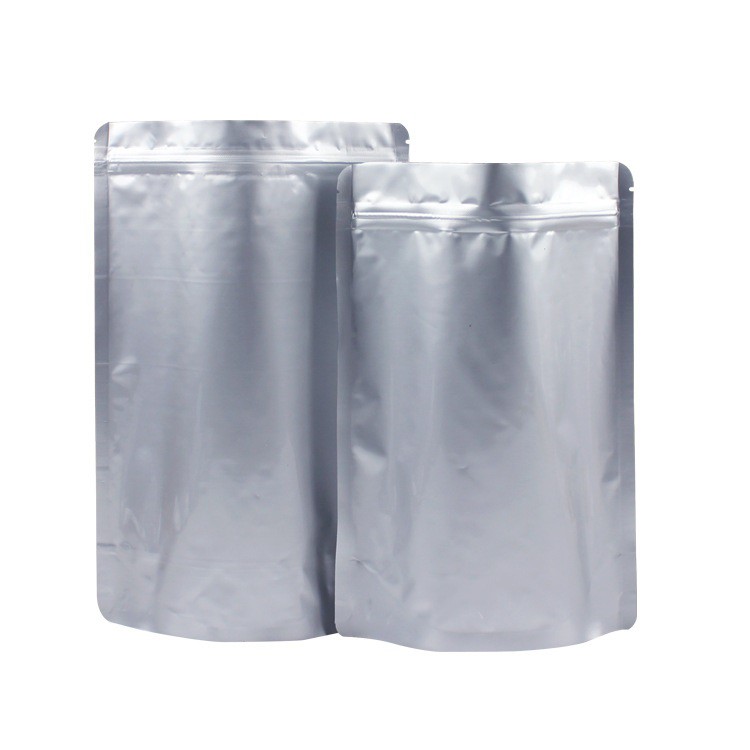
- Aluminum Foil Vacuum Bags: Aluminum Foil Vacuum Bag is a great option for gluten - free food. Aluminum foil provides a strong barrier against oxygen, moisture, and light. These factors can all affect the quality of the food and potentially introduce contaminants. By using an aluminum foil vacuum bag, we can create a sealed environment that keeps the gluten - free food fresh and protected.
- Plastic Bags: When using plastic bags for gluten - free food, we need to choose high - quality plastics that are resistant to punctures and tears. A damaged bag can allow outside air and contaminants, including gluten particles, to enter the food. We use food - grade plastics that meet strict safety standards to ensure the integrity of the packaging.
3. Labeling
Labeling is another important aspect of gluten - free food packaging. The label should clearly indicate that the food is gluten - free. This helps consumers easily identify the products that are safe for them to eat.
In addition to the "gluten - free" label, we also provide detailed information about the ingredients and any potential allergens on the packaging. This transparency is crucial for people with gluten sensitivities, as they need to know exactly what they are consuming.
4. Design Considerations
The design of the food packaging bag can also play a role in protecting gluten - free food.
- Sealing Mechanisms: A good sealing mechanism is essential. A well - sealed bag prevents air and contaminants from entering. We use advanced sealing technologies to ensure that our Food Packaging Bag for gluten - free food has a tight seal. This can be in the form of heat - sealed edges or zip - lock closures, depending on the type of food and the customer's requirements.
- Ease of Opening and Closing: The packaging should be easy for consumers to open and close. This is important because if it's too difficult to open, the bag may get damaged in the process, increasing the risk of contamination. At the same time, it should be easy to close again to keep the food fresh between uses.
5. Regulatory Requirements
There are strict regulatory requirements for gluten - free food packaging. Different countries and regions have their own standards and guidelines.
For example, in the United States, the Food and Drug Administration (FDA) has specific rules for what can be labeled as "gluten - free." The food must contain less than 20 parts per million (ppm) of gluten to be considered gluten - free. Our packaging is designed to meet these regulatory requirements, and we ensure that all the information on the label is accurate and compliant.
Comparing with Regular Food Packaging
So, how does gluten - free food packaging differ from regular food packaging?
- Safety Standards: As mentioned earlier, the safety standards for gluten - free food packaging are much higher. The risk of cross - contamination is a major concern, and we take extra precautions to prevent it. Regular food packaging may not have the same level of strictness when it comes to preventing the introduction of a specific allergen like gluten.
- Labeling Requirements: Gluten - free food packaging has more specific labeling requirements. The "gluten - free" label is a must, and detailed ingredient information is also necessary. Regular food packaging may not need to highlight gluten - free status if the food is not specifically targeted at people with gluten sensitivities.
Our Commitment as a Supplier
As a Food Packaging Bag supplier, we are committed to providing high - quality packaging for gluten - free food. We understand the importance of keeping these products safe and fresh for consumers.
We invest in the latest technology and equipment to ensure that our packaging meets the highest standards. Our team of experts is constantly researching and developing new ways to improve the quality and safety of our packaging.
If you're in the business of producing gluten - free food, we'd love to work with you. We can provide customized packaging solutions that meet your specific needs. Whether you need Aluminum Foil Vacuum Bag or other types of Food Packaging Bag, we've got you covered. Just reach out to us, and we can start discussing your requirements and how we can help you protect your gluten - free products.
References
- Food and Drug Administration (FDA). (n.d.). Gluten - Free Labeling of Foods. Retrieved from [FDA official website]
- International Organization for Standardization (ISO). (n.d.). Standards related to food packaging safety. Retrieved from [ISO official website]