

In the world of construction, interior design, and various industrial applications, sound - proofing has emerged as a crucial factor. As a supplier of Release Film, I often receive inquiries about the potential use of release films for sound - proofing purposes. In this blog, we will delve into the science behind sound - proofing, analyze the properties of release films, and determine whether they can be effectively used for this purpose.

Understanding Sound - Proofing
Sound is a form of energy that travels through air, solids, and liquids in the form of waves. Sound - proofing aims to reduce the transmission of these sound waves from one area to another. There are two main mechanisms involved in sound - proofing: absorption and insulation.
Sound absorption materials work by converting the sound energy into heat energy. These materials typically have porous structures that allow the sound waves to penetrate and bounce around within the material, gradually losing their energy. Examples of sound - absorbing materials include acoustic foams, fiberglass, and certain types of fabrics.
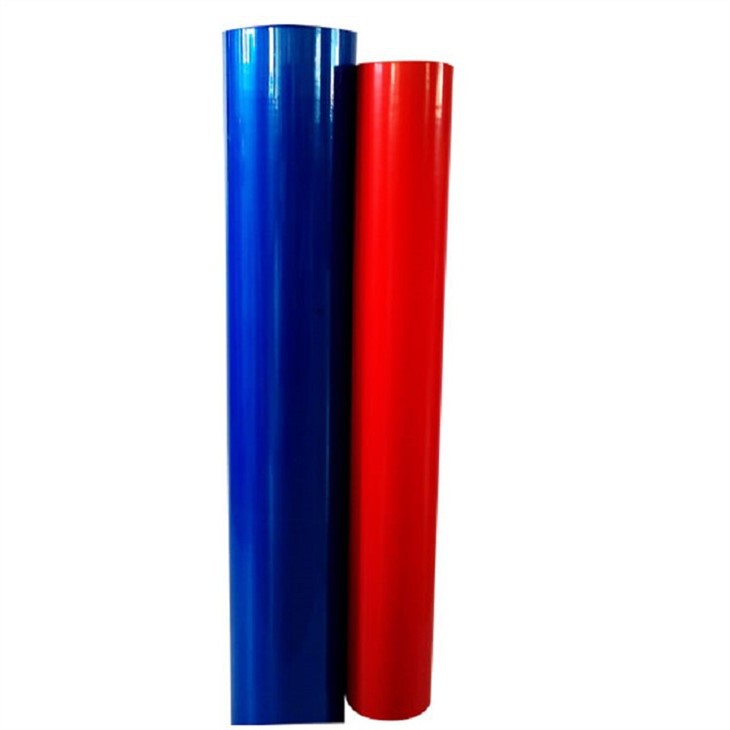
Sound insulation, on the other hand, focuses on creating a barrier that prevents the sound waves from passing through. Dense materials with high mass are generally more effective for sound insulation. For instance, concrete walls, thick glass, and metal sheets are commonly used for this purpose.
Properties of Release Films
Release films are thin, flexible films that are designed to prevent adhesion between two surfaces. They are widely used in industries such as composites manufacturing, packaging, and electronics. Release films are typically made from materials such as polyethylene terephthalate (PET), polypropylene (PP), or fluoropolymers.
The key properties of release films include high release performance, chemical resistance, and mechanical strength. They have a smooth surface that allows for easy separation from other materials. Additionally, release films can be engineered to have specific thicknesses, surface textures, and other characteristics depending on the application requirements.
Analyzing the Potential of Release Films for Sound - Proofing
Absorption
Release films are generally not porous materials, which means they do not have the ability to absorb sound waves effectively. Sound absorption requires a material with a large number of small pores or cavities that can trap the sound waves. Since release films are designed to have a smooth and non - porous surface, they are not well - suited for sound absorption.
However, in some cases, if a release film is combined with a porous sound - absorbing material, it could potentially enhance the overall performance. For example, a release film could be used as a protective layer over an acoustic foam. The release film would prevent the foam from being damaged or contaminated, while still allowing the sound waves to pass through to the foam for absorption.
Insulation
When it comes to sound insulation, the effectiveness of a material depends on its mass and density. Release films are typically very thin and lightweight, which means they do not have a high mass. Sound waves can easily pass through thin and lightweight materials because they do not provide enough resistance to the sound energy.
In general, a single layer of release film is not sufficient to provide significant sound insulation. However, multiple layers of release films could potentially be used to increase the mass and create a more effective sound - insulating barrier. Additionally, if the release films are combined with other dense materials, such as metal foils or thick plastics, the overall sound - insulating performance could be improved.

Specialized Release Films for Sound - Proofing
Some manufacturers are exploring the development of specialized release films for sound - proofing applications. These films may incorporate additives or coatings that enhance their sound - insulating properties. For example, a Flame Retardant Coating could be applied to the release film to increase its mass and density, while also providing fire - resistant properties.
Another approach is to use a multi - layer structure in the release film. By alternating layers of different materials with different acoustic properties, it is possible to create a film that can effectively block and absorb sound waves. For instance, a layer of a soft, porous material could be sandwiched between two layers of a dense, non - porous material.

Applications and Limitations
In certain applications, release films could potentially be used for sound - proofing. For example, in the automotive industry, release films could be used in the interior of cars to reduce noise from the engine and the road. They could also be used in electronic devices to prevent sound leakage.
However, it is important to note that release films are not a one - size - fits - all solution for sound - proofing. Their effectiveness depends on a variety of factors, including the specific application, the type of sound waves being blocked, and the overall design of the sound - proofing system. In some cases, other materials may be more suitable and cost - effective for achieving the desired level of sound - proofing.
Conclusion
While release films are not typically considered a primary sound - proofing material, they do have some potential in certain applications. Their properties can be modified and combined with other materials to enhance their sound - insulating and absorbing capabilities. As a Release Film supplier, I am constantly exploring new ways to improve the performance of our products and expand their applications.
If you are interested in using release films for sound - proofing purposes or have any other questions about our products, please feel free to contact us. We are happy to provide you with more information and work with you to find the best solution for your specific needs.
References
- Beranek, Leo L. Noise and Vibration Control. McGraw - Hill, 1971.
- Craik, R. J. The Acoustics of Buildings. Elsevier, 2004.
- Fahy, Frank J. Foundations of Engineering Acoustics. Academic Press, 2001.