

Can square bottom bags be used for packaging liquids? This is a question that often comes up among businesses involved in the packaging of various products. As a supplier of Square Bottom Bag, I am frequently asked about the suitability of these bags for liquid packaging. In this blog post, I will delve into the details of using square bottom bags for liquid packaging, exploring their advantages, limitations, and the key factors to consider.
Understanding Square Bottom Bags
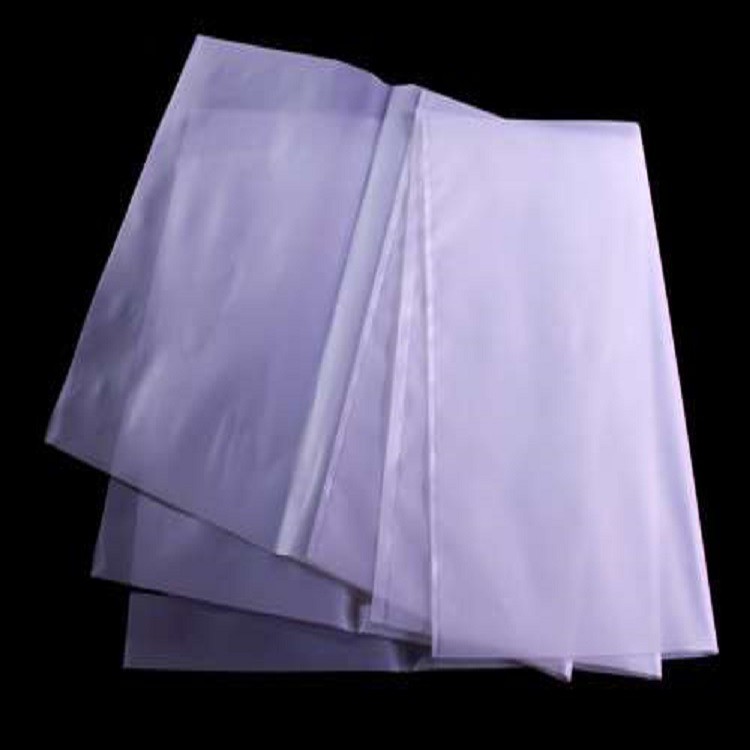
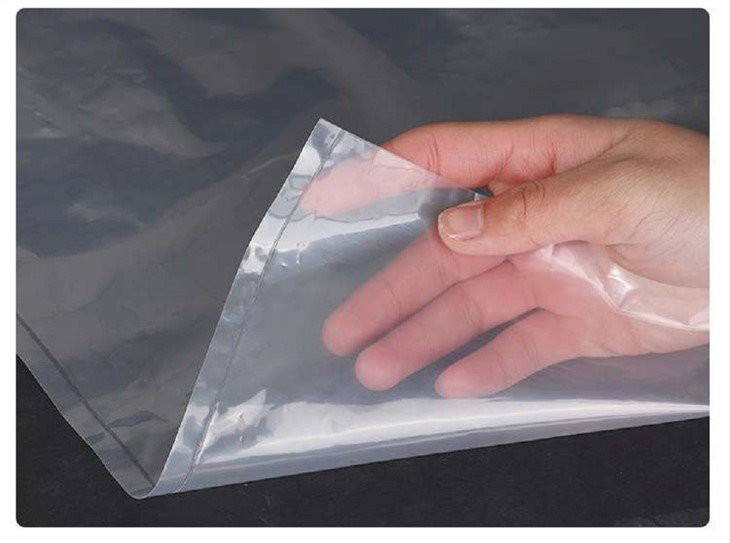
Square bottom bags are a type of packaging solution known for their unique design. Unlike traditional bags, they have a flat, square bottom that allows them to stand upright on shelves or display areas. This feature provides excellent stability and visibility, making them an ideal choice for a wide range of products. Square bottom bags are typically made from materials such as polyethylene (PE), polypropylene (PP), or laminated films, which offer varying degrees of strength, durability, and barrier properties.
Advantages of Using Square Bottom Bags for Liquid Packaging
- Stability and Standability: One of the primary advantages of square bottom bags for liquid packaging is their ability to stand upright. This feature is particularly beneficial when displaying products on shelves, as it ensures that the bags are easily visible and accessible to consumers. The stable base also reduces the risk of spills and leaks during storage and transportation.
- Customizability: Square bottom bags can be customized to meet the specific needs of different products and applications. They can be printed with high-quality graphics and branding elements, allowing businesses to create a unique and eye-catching packaging design. Additionally, the bags can be produced in various sizes, shapes, and colors to suit the requirements of different products.
- Barrier Properties: Many square bottom bags are made from materials that offer excellent barrier properties, such as moisture resistance, oxygen barrier, and UV protection. These properties help to preserve the quality and freshness of the liquid products, extending their shelf life and reducing the risk of spoilage.
- Cost-Effectiveness: Square bottom bags are generally more cost-effective than other types of packaging solutions, such as rigid containers or glass bottles. They require less material to produce, which reduces the overall cost of packaging. Additionally, the lightweight nature of the bags reduces shipping costs, making them a cost-efficient option for businesses.
Limitations of Using Square Bottom Bags for Liquid Packaging
- Sealing Integrity: Ensuring proper sealing is crucial when using square bottom bags for liquid packaging. Any gaps or weaknesses in the seal can lead to leaks and spills, which can damage the product and create a mess. It is essential to use high-quality sealing equipment and techniques to ensure a secure and reliable seal.
- Puncture Resistance: Liquid products can be heavy and may put additional stress on the bag. Therefore, it is important to choose a square bottom bag with adequate puncture resistance to prevent the bag from tearing or bursting during handling and transportation.
- Compatibility with the Liquid: The material of the square bottom bag must be compatible with the liquid being packaged. Some liquids may react with certain plastics or chemicals, causing the bag to degrade or the product to be contaminated. It is important to conduct compatibility testing before using a particular bag for liquid packaging.
Key Factors to Consider When Using Square Bottom Bags for Liquid Packaging
- Material Selection: The choice of material is crucial when using square bottom bags for liquid packaging. Consider the properties of the liquid, such as its viscosity, corrosiveness, and sensitivity to light and oxygen. Choose a material that offers the appropriate barrier properties and chemical resistance to protect the product.
- Sealing Technology: Select a reliable sealing technology that can provide a strong and leak-proof seal. Heat sealing is a common method used for sealing square bottom bags, but there are also other options available, such as ultrasonic sealing and adhesive sealing.
- Labeling and Branding: Ensure that the labels and branding on the bag are resistant to moisture and will not be damaged by the liquid. Use high-quality inks and printing techniques to ensure that the labels remain legible and attractive throughout the product's shelf life.
- Testing and Validation: Before full-scale production, conduct thorough testing and validation of the square bottom bags to ensure that they meet the required standards and specifications. Test the bags for sealing integrity, puncture resistance, and compatibility with the liquid.
Examples of Liquid Products Suitable for Square Bottom Bags
- Food and Beverages: Square bottom bags can be used for packaging a variety of food and beverage products, such as juices, sauces, dressings, and dairy products. The bags can be designed with features such as spouts or pour spouts for easy dispensing.
- Personal Care Products: Many personal care products, such as lotions, creams, and shampoos, can be packaged in square bottom bags. The bags can provide a convenient and lightweight alternative to traditional plastic bottles.
- Household and Cleaning Products: Square bottom bags are also suitable for packaging household and cleaning products, such as detergents, disinfectants, and liquid soaps. The bags can be designed with child-resistant features for added safety.
- Industrial and Chemical Products: Some industrial and chemical products, such as lubricants, solvents, and paints, can be packaged in square bottom bags. However, it is important to ensure that the bags are made from materials that are compatible with the specific chemicals being packaged.
Comparison with Other Packaging Options
- Rigid Containers: Rigid containers, such as plastic bottles and glass jars, offer excellent protection for liquid products. However, they are often more expensive and heavier than square bottom bags. Additionally, rigid containers can be more difficult to recycle and may have a larger environmental footprint.
- Flexible Pouches: Flexible pouches are similar to square bottom bags in that they are lightweight and cost-effective. However, they may not have the same level of stability and standability as square bottom bags. Additionally, some flexible pouches may not offer the same level of barrier properties as square bottom bags.
- High Pressure Bag: High pressure bags are designed to withstand high pressures and are often used for packaging products such as compressed gases and liquids. While they offer excellent protection, they are typically more expensive and may not be suitable for all liquid packaging applications.
Conclusion
In conclusion, square bottom bags can be a viable option for packaging liquids, offering several advantages such as stability, customizability, barrier properties, and cost-effectiveness. However, it is important to consider the limitations and key factors outlined in this blog post to ensure that the bags are suitable for the specific liquid product and application. By selecting the right material, using proper sealing technology, and conducting thorough testing and validation, businesses can effectively use square bottom bags for liquid packaging.
If you are interested in exploring the use of Square Bottom Bag for your liquid packaging needs, I encourage you to contact us for further discussion. We have a team of experts who can help you choose the right packaging solution based on your specific requirements. Whether you need a small trial order or a large-scale production run, we are here to provide you with high-quality products and exceptional customer service. Let's work together to find the best packaging solution for your liquid products.
References
- Packaging Machinery Manufacturers Institute. (n.d.). Packaging Materials: Films and Foils. Retrieved from [URL]
- Smith, J. D. (2019). Handbook of Flexible Packaging. CRC Press.