

Hey there! As a supplier of Release Film and Release Film, I often get asked about how to dispose of used release films. It's a crucial topic, not just for environmental reasons but also for compliance and safety. So, let's dive right in and explore the various ways to handle these used films properly.
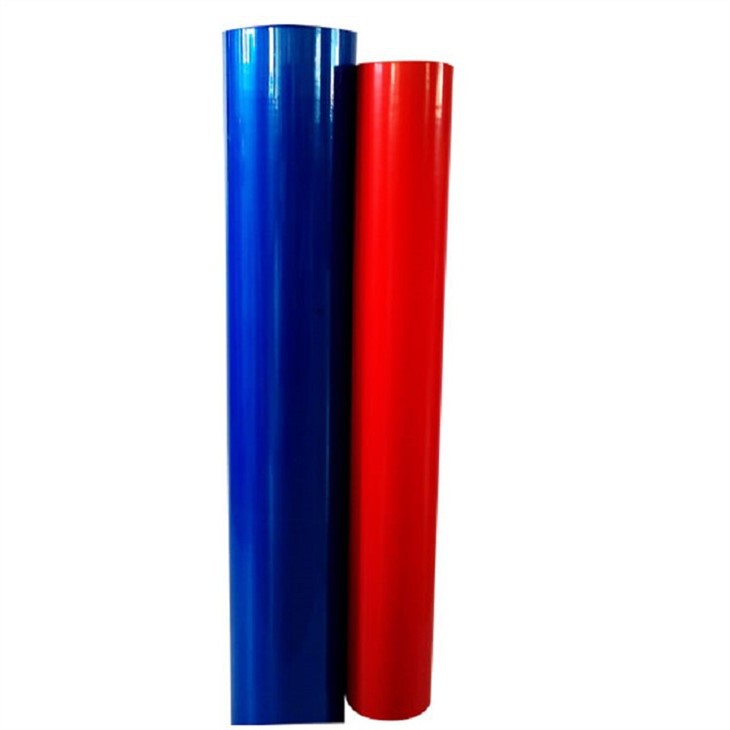
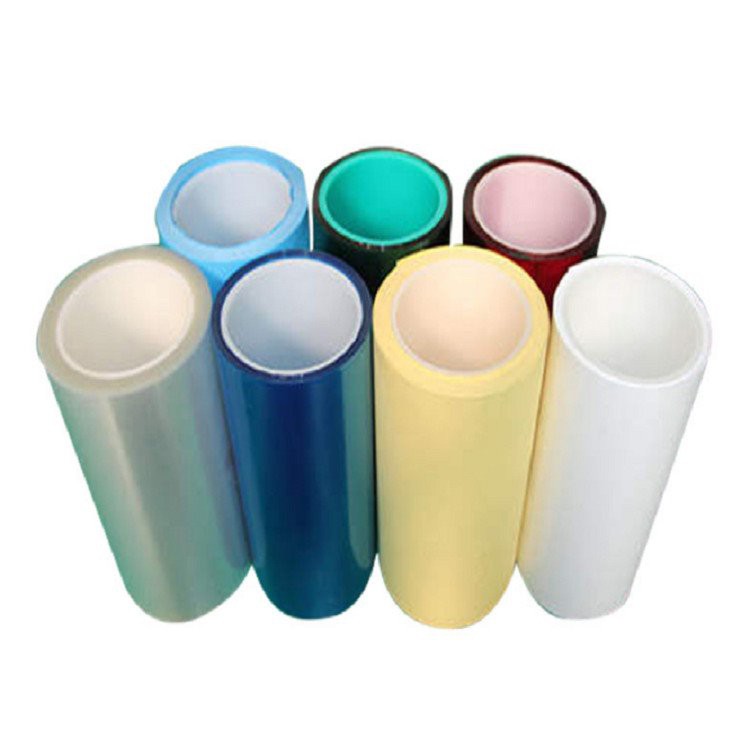
First off, what is a release film anyway? Well, it's a thin film that has low surface energy and is used to prevent other materials from sticking to it. We use it in a ton of industries, like composites, food packaging, and electronics. In the electronics industry, for example, Electric Conductive Film is sometimes used in conjunction with release films.
Now, let's talk about disposal methods. One of the most common ways is recycling. Recycling helps in reducing waste in landfills and conserving natural resources. However, recycling release films isn't always a walk in the park. Due to their specialized coatings and treatments, they often need to go through a specific recycling process.
There are some recycling facilities that specialize in processing plastics, including release films. These facilities use advanced technology to break down the films into their basic polymer components. From there, they can be remade into new plastic products. But before sending your used release films to a recycling center, you need to do a bit of research. Find out if the facility accepts release films and what their specific requirements are. Some might require the films to be clean and free of any contaminants, while others might have specific size or quantity requirements.
Another option is incineration. Incineration involves burning the used release films at high temperatures. When done in a proper, controlled environment, incineration can generate energy. Some industrial incinerators are equipped with advanced pollution control systems to minimize the release of harmful emissions. However, incineration isn't without its drawbacks. If not done correctly, it can release toxic chemicals into the air, which is bad news for the environment and human health. So, if you're considering incineration, make sure to work with a licensed and reputable incineration facility.
Landfilling is the least desirable option for disposing of used release films. Landfills are filling up fast, and plastics, including release films, take a long time to break down. They can also leach harmful chemicals into the soil and groundwater over time. But in some cases, where recycling or incineration isn't feasible, landfilling might be the only option. If you do end up using a landfill, try to find one that has proper liners and management practices to minimize the environmental impact.
Now, let's talk about some best practices for handling used release films before disposal. First, separate the release films from other types of waste. This makes it easier for recycling or other disposal methods. Second, try to clean the films as much as possible. Remove any debris, adhesives, or other contaminants. This can improve the efficiency of the recycling process or reduce the risk of emissions during incineration.
It's also a good idea to keep records of your used release film disposal. This can be useful for regulatory compliance and for demonstrating your commitment to environmental responsibility. You can keep track of the quantity of films disposed of, the disposal method used, and the facility where they were sent.
As a release film supplier, I understand that proper disposal can be a challenge for many of our customers. That's why we're always here to help. We can provide you with more information about recycling facilities in your area or offer advice on the best disposal methods for your specific situation.
If you're in the market for high - quality release films, we've got you covered. Our release films are made with the latest technology and highest quality materials to ensure optimal performance. Whether you're in the composites industry, food packaging, or electronics, we have a release film solution for you.
So, if you're interested in learning more about our products or have any questions about used release film disposal, don't hesitate to reach out. We're here to make the process as smooth and hassle - free as possible for you. Let's work together to find the best solutions for your release film needs and proper disposal.
In conclusion, proper disposal of used release films is essential for environmental protection, regulatory compliance, and safety. By exploring options like recycling, incineration, and being cautious about landfilling, and following best practices, we can all do our part in reducing the environmental impact of these films. And if you're looking for a reliable supplier of release films, we're just a message away.
References
- General knowledge about plastics recycling and disposal
- Industry standards for release film production and use