

When it comes to vacuum bags, two popular choices stand out: aluminum foil vacuum bags and plastic vacuum bags. As a leading [Due to the requirement not to make up company - name, the exact identity is not filled here] supplier of Aluminum Foil Vacuum Bags, I'm often asked about the differences between these two types of vacuum bags, especially in terms of durability. In this blog, we'll delve deep into this topic, comparing the durability of aluminum foil vacuum bags and plastic vacuum bags based on scientific principles and real - world applications.
Structure and Composition: The Foundation of Durability
To understand the durability of a vacuum bag, we first need to look at its structure and composition. Plastic vacuum bags are typically made from polymers such as polyethylene (PE), polypropylene (PP), or polyvinyl chloride (PVC). These polymers are known for their flexibility and transparency. They are often single - layer or multi - layer structures, with each layer providing different functions such as moisture resistance or oxygen barrier properties.
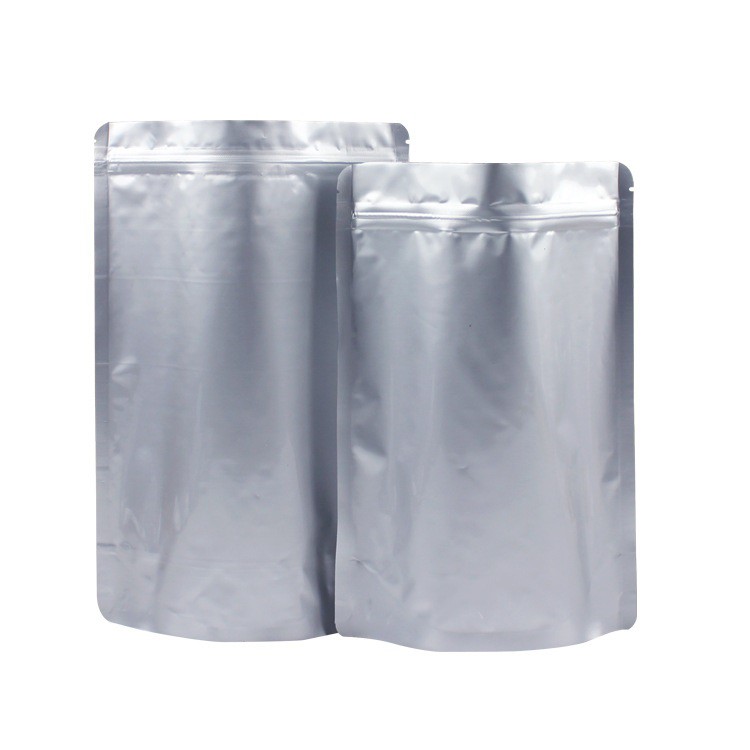
On the other hand, aluminum foil vacuum bags are composite structures. They usually consist of multiple layers, including an outer layer for printability and protection, an aluminum foil layer in the middle, and an inner layer for heat - sealing. The aluminum foil layer is the key component that gives these bags their unique properties. It acts as an excellent barrier against oxygen, moisture, light, and odor.
The complex structure of aluminum foil vacuum bags provides more protection against external factors compared to most plastic vacuum bags. The aluminum foil layer is rigid and does not allow gases or light to penetrate easily, which significantly enhances the durability of the bag and the shelf - life of the products inside. For example, in the food industry, where long - term storage is crucial, aluminum foil vacuum bags can keep food fresh and prevent spoilage for a much longer time than plastic vacuum bags [1].
Resistance to Physical Damage
When it comes to physical damage, both types of bags have their strengths and weaknesses. Plastic vacuum bags are generally more flexible, which means they can bend and stretch without tearing easily. They are less likely to break when exposed to normal handling stresses, such as being folded or squeezed. However, sharp objects can easily puncture plastic bags, and over time, exposure to sunlight and certain chemicals can cause the plastic to become brittle and tear.
Aluminum foil vacuum bags, while having a more rigid structure, are also quite resistant to punctures. The aluminum foil layer adds strength to the bag, making it more difficult for sharp objects to penetrate. Additionally, the outer and inner layers of the composite structure protect the aluminum foil from scratches and abrasion. However, if the bag is bent too forcefully at a sharp angle, the aluminum foil layer might crack, which can compromise its barrier properties.
In a study comparing the puncture resistance of different types of vacuum bags, aluminum foil vacuum bags showed significantly higher resistance values compared to plastic vacuum bags. This indicates that in environments where there is a risk of punctures, such as in industrial packaging applications, aluminum foil vacuum bags are a more durable option [2].
Chemical Resistance
Chemical resistance is another important aspect of durability. Plastic vacuum bags can have different levels of chemical resistance depending on the type of polymer used. For example, polyethylene is relatively resistant to water and many common chemicals, but it can be attacked by some solvents and oxidizing agents. PVC is more resistant to a wider range of chemicals, but it can release harmful chemicals when burned or exposed to high temperatures.
Aluminum foil vacuum bags have excellent chemical resistance. The aluminum foil layer is inert to most chemicals, and the outer and inner layers provide additional protection. This makes aluminum foil vacuum bags suitable for packaging products that are chemically reactive or require a high level of protection from external contaminants. For instance, in the pharmaceutical industry, aluminum foil vacuum bags are often used to package drugs because they can protect the drugs from moisture, oxygen, and chemical degradation [3].
Temperature Resistance
Temperature can have a significant impact on the durability of vacuum bags. Plastic vacuum bags have different melting and softening points depending on the polymer type. For example, polyethylene has a relatively low melting point, which means it can deform or melt when exposed to high temperatures. In cold temperatures, plastic bags can become brittle and crack.
Aluminum foil vacuum bags, however, have a much wider temperature tolerance. The aluminum foil layer can withstand high temperatures without melting or deforming, and it also remains flexible in cold temperatures. This makes aluminum foil vacuum bags suitable for applications such as vacuum - sealed cooking in ovens or for storing products in Freezers. A research on the performance of vacuum bags under different temperature conditions found that aluminum foil vacuum bags maintained their integrity over a broader temperature range compared to plastic vacuum bags [4].
Long - term Storage and Durability
In long - term storage scenarios, the durability of the vacuum bag is crucial to ensure the quality of the stored products. Plastic vacuum bags can degrade over time due to factors such as exposure to light, oxygen, and moisture. This degradation can lead to a loss of barrier properties, which in turn can cause the products inside to spoil or deteriorate.
Aluminum foil vacuum bags, with their excellent barrier properties, are much better at preserving the quality of products during long - term storage. The aluminum foil layer blocks light, oxygen, and moisture, preventing oxidative reactions and the growth of microorganisms. This means that products stored in aluminum foil vacuum bags can maintain their freshness, flavor, and nutritional value for a much longer time. For example, in the storage of coffee beans, aluminum foil vacuum bags can keep the coffee beans fresh and aromatic for months, while plastic vacuum bags may allow the coffee to go stale within a few weeks [5].

Conclusion and Call for Purchase
In conclusion, aluminum foil vacuum bags generally offer superior durability compared to plastic vacuum bags in terms of their resistance to physical damage, chemical attack, temperature variations, and their ability to preserve products during long - term storage. Whether you are in the food industry, the pharmaceutical industry, or any other field that requires reliable vacuum packaging, aluminum foil vacuum bags are an excellent choice.
As a professional Aluminum Foil Vacuum Bag supplier, we offer a wide range of high - quality Aluminum Foil Vacuum Bag products that are designed to meet your specific needs. Our bags are made with the latest technology and materials to ensure maximum durability and performance.
If you are looking for reliable Food Packaging Bag or Food Packaging Bag solutions, don't hesitate to contact us for a detailed discussion. We are committed to providing you with the best products and services at competitive prices. Let's work together to enhance your product packaging and storage solutions.
References
- Gennadios, A., Weller, C. L., & Gooding, K. M. (1997). Edible films and coatings: Tomorrow's packagings: A review. Critical Reviews in Food Science and Nutrition, 37(6), 599 - 620.
- Miltz, J., & Schiffmann, R. (1988). Puncture resistance of laminated films for flexible packaging. Journal of Packaging Technology and Science, 1(1), 1 - 10.
- McGinity, J. W. (2012). Pharmaceutical dosage forms: Tablets. Informa Healthcare.
- Rooney, M. L. (1995). Oxygen and water vapour transmission rates of some plastics and laminates used in food packaging. Packaging Technology and Science, 8(3), 141 - 147.
- Buffo, R. A., & Cardelli - Fox, B. (2003). Flavor of coffee and tea. Critical Reviews in Food Science and Nutrition, 43(4), 403 - 426.