

Hey there! As a supplier of Rust Resistant Film, I've seen firsthand how different environmental factors can impact the performance of our products. One of the most significant factors that often gets overlooked is humidity. In this blog post, I'll be diving into how humidity affects Rust Resistant Film and what you need to know to ensure you're getting the most out of it.
Understanding Rust Resistant Film
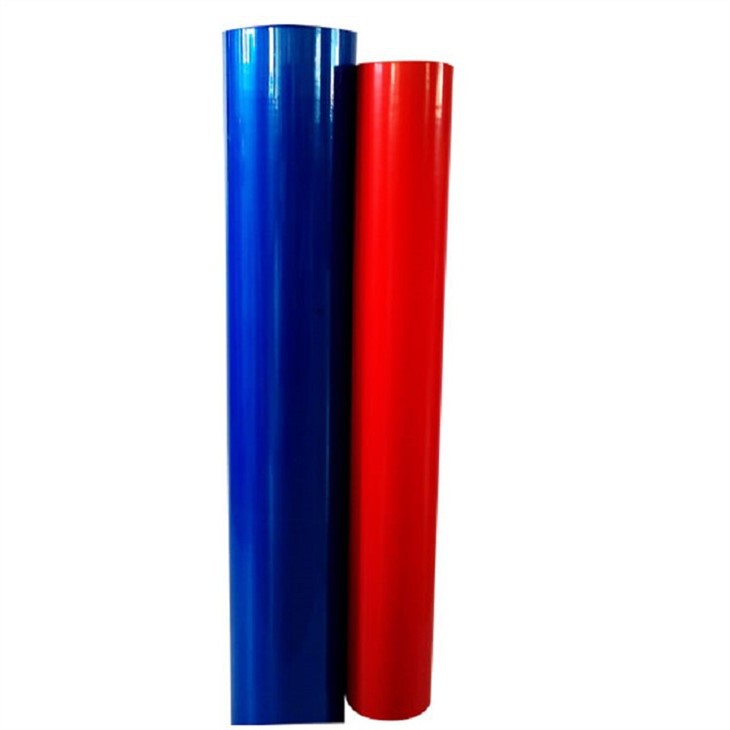
Before we get into the nitty - gritty of humidity, let's quickly go over what Rust Resistant Film is. It's a specialized film designed to protect metal surfaces from corrosion. This film creates a barrier between the metal and the surrounding environment, preventing moisture, oxygen, and other corrosive agents from reaching the metal surface. There are different types of Rust Resistant Film, including those with different thicknesses, adhesive strengths, and chemical compositions, all tailored to specific applications.
The Role of Humidity in Corrosion
Humidity refers to the amount of water vapor present in the air. When the humidity is high, there's more moisture in the air, and this moisture can be a major culprit in the corrosion process. Metal corrosion is an electrochemical reaction that requires water as an electrolyte. When metal is exposed to a humid environment, the water vapor in the air condenses on the metal surface, forming a thin layer of water. This water layer allows ions to move freely, facilitating the oxidation of the metal.
How Humidity Affects Rust Resistant Film
Barrier Integrity
One of the primary functions of Rust Resistant Film is to act as a physical barrier. High humidity can test the integrity of this barrier. When the air is humid, the film may absorb some of the moisture. If the film is not designed to handle high levels of moisture, it can swell or become distorted. This swelling can cause the film to lose its adhesion to the metal surface, creating gaps where moisture and oxygen can penetrate and reach the metal.

Adhesive Performance
The adhesive used in Rust Resistant Film is crucial for keeping the film firmly attached to the metal. Humidity can have a significant impact on adhesive performance. In high - humidity conditions, the adhesive may soften or lose its stickiness. This can lead to the film peeling off or lifting at the edges, leaving the metal exposed to the corrosive environment. On the other hand, in very low - humidity conditions, the adhesive may become brittle and crack, also compromising the film's ability to protect the metal.
Chemical Reactions
Some Rust Resistant Films contain chemical additives that help prevent corrosion. Humidity can influence the effectiveness of these additives. For example, in a humid environment, certain additives may react with the moisture in the air, altering their chemical properties. This can reduce their ability to inhibit corrosion and may even lead to the formation of by - products that could potentially accelerate corrosion in some cases.
Coping with Humidity
Choosing the Right Film
As a supplier, I always recommend choosing a Rust Resistant Film that is specifically designed for the humidity conditions of the intended application. For high - humidity environments, look for films with a high moisture - resistance rating. These films are typically made from materials that are less likely to absorb moisture and have adhesives that can maintain their performance in humid conditions.
Proper Installation
Proper installation is key to ensuring the film's effectiveness, especially in humid environments. The metal surface should be clean and dry before applying the film. Any moisture or contaminants on the surface can reduce the film's adhesion and increase the risk of corrosion. Make sure to follow the manufacturer's installation instructions carefully to ensure a tight and secure fit.
Regular Inspection
Regularly inspecting the Rust Resistant Film is essential, especially in areas with fluctuating humidity levels. Check for signs of swelling, peeling, or damage. If you notice any issues, replace the film immediately to prevent corrosion from occurring.
Other Functional Films
In addition to Rust Resistant Film, we also offer other functional films like Flame Retardant Coating and Release Film. Our Release Film is widely used in various industries for its excellent release properties. These films can also be affected by environmental factors, and we're here to help you choose the right one for your specific needs.
Conclusion
Humidity plays a crucial role in the performance of Rust Resistant Film. By understanding how humidity affects the film and taking the necessary precautions, you can ensure that your metal surfaces are well - protected from corrosion. If you're in the market for Rust Resistant Film or any of our other functional films, don't hesitate to reach out. We're here to provide you with the best products and advice to meet your requirements. Whether you're dealing with high - humidity industrial environments or need protection for a small metal component, we've got you covered.
References
- Jones, D. A. (1992). Principles and Prevention of Corrosion. Prentice Hall.
- Uhlig, H. H., & Revie, R. W. (1985). Corrosion and Corrosion Control: An Introduction to Corrosion Science and Engineering. Wiley.