

Hey there! As a supplier of Rust Resistant Film, I've been getting a lot of questions lately about how it stacks up against electroplating when it comes to rust prevention. So, I thought I'd take a deep dive into this topic and share my thoughts and insights.
First off, let's talk about what electroplating is. Electroplating is a process where a thin layer of metal is deposited onto a substrate using an electric current. This is commonly used to add a protective layer to metals to prevent rusting. For example, you might see electroplated zinc on steel to give it a shiny finish and protect it from corrosion. It's been around for a long time and has been a go - to method in many industries.
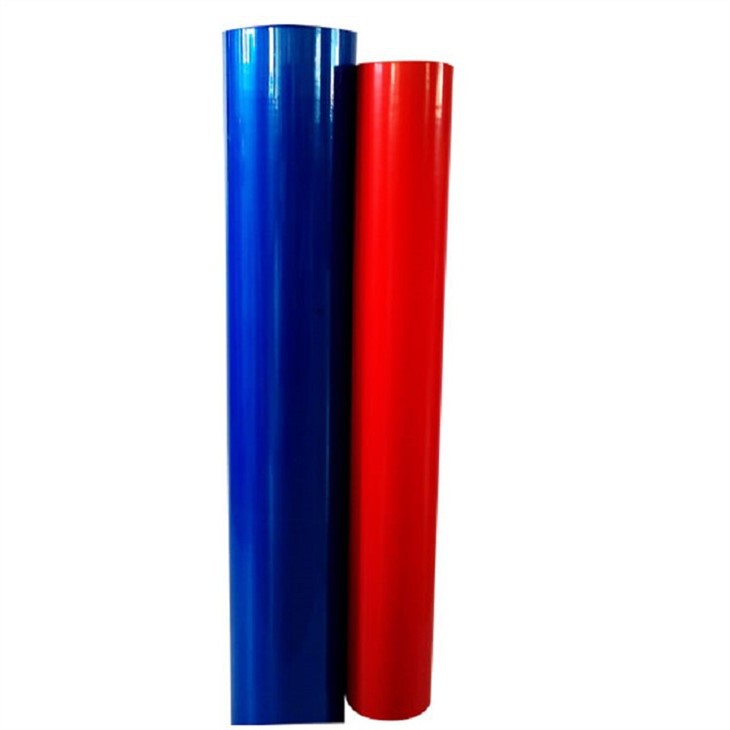
On the other hand, Rust Resistant Film is a relatively newer solution. It's a thin film that can be applied to the surface of a metal to create a barrier against moisture, oxygen, and other elements that cause rust. This film is usually made from polymers or other chemical compounds that have anti - rust properties.
Cost - Effectiveness
One of the first things people consider when choosing between these two methods is cost. Electroplating can be quite expensive. You need specialized equipment, a controlled environment, and a continuous supply of the plating metal. Plus, there are costs associated with waste management since electroplating produces chemical by - products that need to be disposed of properly.
In contrast, Rust Resistant Film is generally more cost - effective. The materials used to make the film are often less expensive, and the application process is simpler. You don't need a huge setup like you do for electroplating. You can just apply the film to the metal surface, and it's ready to go. This makes it a great option for small - scale operations or companies looking to cut down on costs without sacrificing rust prevention.
Ease of Application
Applying electroplating is a complex process. It requires skilled technicians who know how to set up the electroplating bath, control the current, and ensure an even coating. Any mistakes during the process can lead to uneven plating, which can compromise the rust - prevention capabilities.
Rust Resistant Film, on the other hand, is a breeze to apply. It can be sprayed, rolled, or laminated onto the metal surface. You don't need a lot of training to do it. Even if you're a DIY enthusiast, you can easily apply the film to your metal objects at home. This ease of application means that you can save time and money on labor costs.
Environmental Impact
Electroplating is not the most environmentally friendly process. As I mentioned earlier, it produces chemical waste that needs to be treated and disposed of properly. The chemicals used in electroplating can be harmful to the environment if they're not managed correctly.
Rust Resistant Film is a more eco - friendly option. Most of the films are made from non - toxic materials, and the application process doesn't produce a lot of waste. This makes it a great choice for companies that are looking to reduce their environmental footprint.

Flexibility and Versatility
Electroplating is limited in terms of the types of metals it can be applied to and the shapes of the objects. Some metals may not be suitable for electroplating, and complex shapes can be difficult to plate evenly.
Rust Resistant Film is much more flexible. It can be applied to a wide range of metals, including steel, aluminum, and copper. It can also be used on objects of different shapes and sizes. Whether you have a small metal part or a large industrial structure, you can use Rust Resistant Film to protect it from rust.
Durability
When it comes to durability, electroplating has a good track record. A well - done electroplating job can last a long time, especially in harsh environments. However, over time, the plating can wear off, especially if the object is subject to abrasion or impact.
Rust Resistant Film can also be very durable. Many modern films are designed to withstand harsh conditions, including high temperatures, humidity, and chemical exposure. Some films even have self - healing properties, which means that if the film gets scratched, it can repair itself to some extent and continue to provide rust protection.
Appearance
Electroplating can give a metal object a shiny, professional look. This is why it's often used in industries where aesthetics are important, such as the automotive and jewelry industries.
Rust Resistant Film can also be designed to have a good appearance. There are clear films available that won't change the look of the metal, and there are also colored films that can add a decorative touch. So, whether you want a sleek, natural look or a pop of color, Rust Resistant Film can meet your needs.
Additional Functionalities
Rust Resistant Film can offer additional functionalities beyond just rust prevention. For example, some films are Flame Retardant Coating, which can provide an extra layer of safety in case of a fire. Others are designed to be Mucous Membrane - friendly, which can be useful in medical or food - processing applications. There are also Release Film options that can prevent the metal from sticking to other materials. Electroplating, on the other hand, is mainly focused on rust prevention and doesn't offer these additional benefits.
In conclusion, while electroplating has its advantages, Rust Resistant Film is a great alternative that offers many benefits. It's cost - effective, easy to apply, environmentally friendly, flexible, and can offer additional functionalities. If you're in the market for a rust - prevention solution, I highly recommend giving Rust Resistant Film a try.
If you're interested in learning more about our Rust Resistant Film or want to discuss a potential purchase, don't hesitate to reach out. We're always happy to have a chat and help you find the best solution for your needs.
References
- Smith, J. (2020). "Comparative Study of Rust Prevention Methods". Journal of Materials Science.
- Johnson, A. (2021). "The Future of Rust Protection: Film vs. Traditional Methods". Industrial Coatings Magazine.