

Hey there! As a supplier of flame retardant coatings, I've often been asked about how the color of these coatings can affect their performance. It's a super interesting topic, and I'm excited to share my insights with you.
First off, let's talk about what flame retardant coatings are all about. These coatings are designed to slow down or prevent the spread of fire. They work by creating a barrier between the material they're applied to and the flames. There are different types of flame retardant coatings, and they can be used on a variety of surfaces, like wood, metal, and plastic.

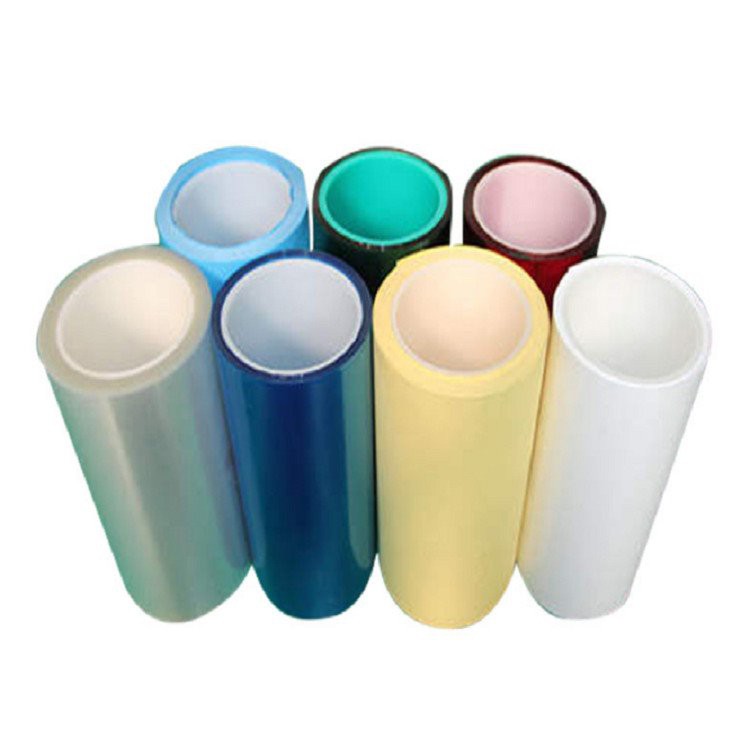
Now, onto the color aspect. You might be thinking, "What does color have to do with fire resistance?" Well, it turns out that color can play a role in several ways.
Reflectivity and Heat Absorption
One of the key factors is how different colors absorb and reflect heat. Dark - colored coatings, like black or dark brown, tend to absorb more heat compared to light - colored ones. When a coating absorbs a lot of heat, it can reach higher temperatures more quickly. This might seem like a bad thing for a flame retardant coating, as high temperatures can potentially reduce its effectiveness.
On the other hand, light - colored coatings, such as white or light gray, reflect more heat. This means they stay cooler for longer periods. A cooler coating is better able to maintain its integrity and continue to provide fire protection. For example, if you have a building in a hot climate and you use a dark - colored flame retardant coating on its exterior, the coating might heat up quickly under the sun. This could potentially compromise its ability to resist fire in case of an emergency.
Chemical Composition and Color
The color of a flame retardant coating is often determined by the pigments used. These pigments can have an impact on the chemical properties of the coating. Some pigments might react with the flame retardant additives in the coating. For instance, certain metal - based pigments could interact with the phosphorus - based flame retardants, either enhancing or reducing their effectiveness.
If a pigment reacts negatively with the flame retardant additives, it could lead to a decrease in the coating's fire - resistant performance. On the other hand, some pigments might work synergistically with the flame retardants, improving the overall performance of the coating. As a supplier, we have to be really careful when formulating coatings with different colors to make sure that the pigments and flame retardants are compatible.
Aesthetic and Performance Trade - offs
In many cases, the choice of color for a flame retardant coating is also influenced by aesthetic considerations. Architects and designers often want to use coatings that match the overall look of a building or product. Sometimes, this means choosing a darker or more vibrant color, even if it might have a slightly lower performance compared to a lighter color.
However, as a supplier, we always try to educate our customers about the potential trade - offs. We can work with them to find a balance between the desired aesthetic and the best possible fire - resistant performance. For example, we might recommend using a lighter - colored base coat with a thin layer of a darker, more aesthetically pleasing top coat. This way, the base coat provides the main fire protection, while the top coat gives the desired look.
Impact on Coating Durability
The color can also affect the durability of the flame retardant coating. Dark - colored coatings are more likely to fade and degrade over time due to exposure to sunlight. This degradation can not only affect the appearance of the coating but also its performance. As the coating fades and breaks down, it might lose some of its fire - resistant properties.
Light - colored coatings, on the other hand, are generally more resistant to fading and degradation. They can maintain their appearance and performance for longer periods. This is especially important for applications where the coating is exposed to the elements, like on outdoor buildings or vehicles.
Real - World Applications
Let's take a look at some real - world applications to see how color affects the performance of flame retardant coatings. In the aviation industry, flame retardant coatings are used on aircraft interiors. Here, the color of the coating is important not only for aesthetic reasons but also for safety. Light - colored coatings are often preferred because they can help keep the interior cooler, which is crucial in case of a fire. Additionally, they can make it easier to spot any signs of damage or wear on the coating.
In the construction industry, the choice of color can depend on the location and function of the building. For a commercial building in a city center, the architect might want a bold, dark - colored coating to make the building stand out. However, for a residential building, a lighter - colored coating might be a better choice for long - term performance and energy efficiency.
Release Film and Mucous Membrane in Relation to Flame Retardant Coatings
When applying flame retardant coatings, we sometimes use Release Film. Release films are used to protect the coating during the application process and to ensure a smooth finish. They can be made from different materials and come in various colors. The color of the release film might not directly affect the performance of the flame retardant coating, but it can be important for quality control. For example, a colored release film can make it easier to identify any air bubbles or imperfections during the application.
Another related product is the Mucous Membrane. Although it might seem unrelated at first, mucous membranes can be used in some specialized flame retardant coating applications. They can provide an additional layer of protection and can be engineered to work in harmony with the coating. The color of the mucous membrane can also be a factor in its performance, as it can affect its reflectivity and heat absorption properties, similar to the flame retardant coating itself.
Conclusion
So, as you can see, the color of a flame retardant coating can have a significant impact on its performance. From heat absorption and chemical reactions to durability and aesthetic considerations, there are many factors to take into account. As a supplier, we're always looking for ways to optimize the performance of our coatings, regardless of the color.
If you're in the market for flame retardant coatings and have questions about color and performance, don't hesitate to reach out. We'd be more than happy to discuss your specific needs and help you find the best solution. Whether you're an architect, a builder, or a product manufacturer, we can work with you to ensure that you get a coating that not only looks great but also provides top - notch fire protection. So, let's start a conversation and see how we can help you with your next project!
References
- "Flame Retardant Coatings: Principles and Applications" by John Wiley & Sons
- Research papers on the effects of pigments on flame retardant coatings from the Journal of Fire Sciences