

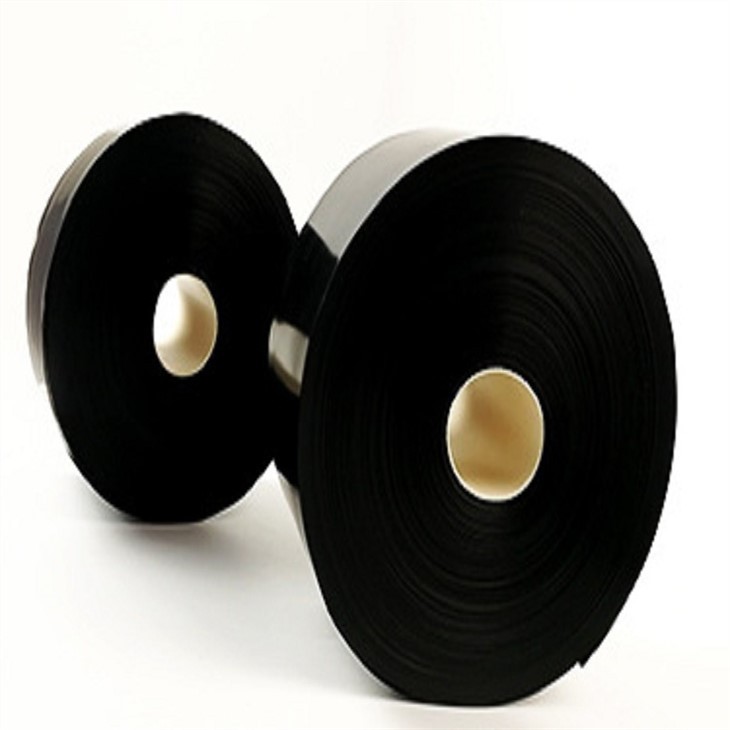
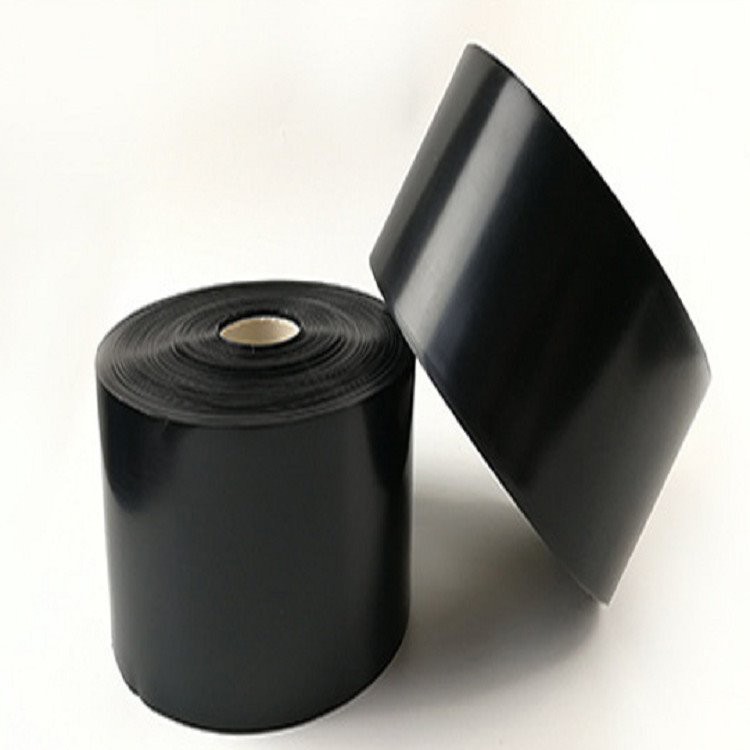
As a supplier of Functional Film, I'm often asked about the installation process. Functional films come in various types, each with its unique installation requirements. In this blog, I'll guide you through the general steps of installing different functional films, including some common types like Mucous Membrane and Electric Conductive Film.
Preparation
Before you start the installation, it's crucial to make thorough preparations. First, you need to measure the area where the functional film will be installed accurately. This ensures that you order the right amount of film and avoid any shortages or waste. Make sure to measure the length, width, and any irregularities of the surface.
Next, clean the surface. Any dust, dirt, or grease on the surface can prevent the film from adhering properly. Use a mild detergent and a soft cloth to clean the surface thoroughly. Rinse it with clean water and let it dry completely. For some surfaces, like glass, you may also need to use a glass cleaner to ensure a streak - free finish.
Gather all the necessary tools. Depending on the type of functional film, you may need a squeegee, a utility knife, a spray bottle filled with a soapy water solution, and a measuring tape. Having all the tools ready before you start will make the installation process much smoother.
Installation of Mucous Membrane Film
The Mucous Membrane film is a type of functional film that is often used in medical or biological applications. It has a unique adhesive property that allows it to adhere to certain surfaces while providing a protective layer.
- Cut the Film
- Based on your measurements, carefully cut the mucous membrane film to the appropriate size. Use a sharp utility knife and a straight edge to ensure clean and precise cuts. Make sure to leave a little extra film around the edges to account for any adjustments during installation.
- Position the Film
- Spray the soapy water solution on the cleaned surface. This will create a slippery layer that allows you to re - position the film easily. Carefully place the film on the surface, starting from one corner. Use your hands to smooth out any air bubbles as you go.
- Remove Air Bubbles
- Once the film is in place, use a squeegee to remove any air bubbles. Start from the center of the film and work your way towards the edges. Apply firm and even pressure to ensure that the film adheres tightly to the surface. If there are still some stubborn air bubbles, you can use a pin to prick them and then smooth them out with the squeegee.
- Trim the Edges
- After all the air bubbles are removed, use a utility knife to trim the excess film along the edges. Make sure the edges are straight and clean.
Installation of Electric Conductive Film
The Electric Conductive Film is widely used in electronic devices and applications. It requires a more precise installation process due to its electrical properties.
- Surface Preparation
- In addition to the general surface cleaning, for electric conductive film installation, the surface should be free of any static electricity. You can use an anti - static cleaner to clean the surface. Also, make sure the surface is flat and smooth to ensure good electrical contact.
- Cutting the Film
- Similar to other films, cut the electric conductive film to the correct size according to your measurements. However, be extra careful when cutting as any damage to the conductive layer can affect its performance.
- Positioning and Alignment
- Place the film on the surface, aligning it precisely with the designated area. For some applications, you may need to use alignment marks or fixtures to ensure accurate positioning. Once it's in the right place, gently press the film down to start the adhesion process.
- Adhesion and Connection
- Some electric conductive films come with an adhesive backing. If so, carefully remove the protective layer on the adhesive side and press the film firmly onto the surface. Make sure there are no gaps or wrinkles. For electrical connections, follow the specific instructions provided. This may involve soldering or using conductive adhesives to connect the film to other electrical components. You can find more about high - quality Electric Conductive Film from our factory at Electric Conductive Film Factory.
- Testing
- After installation, test the electrical conductivity of the film. Use a multimeter or other appropriate testing equipment to ensure that the film is functioning properly. If there are any issues, check for loose connections or damaged areas and make the necessary adjustments.
Troubleshooting During Installation
During the installation process, you may encounter some common problems. Here are some solutions:
- Air Bubbles
- As mentioned earlier, use a squeegee to remove air bubbles. If the bubbles are too large or difficult to remove, you can try re - spraying the soapy water solution and re - positioning the film.
- Uneven Adhesion
- If the film is not adhering evenly, it may be due to a dirty surface or improper application of pressure. Clean the surface again if necessary and use the squeegee to apply more pressure in the areas where the adhesion is weak.
- Cutting Errors
- If you make a cutting error, don't panic. You can either cut a new piece of film or try to patch the error if possible. However, for electric conductive film, cutting errors may be more critical, so it's better to be extra careful.
Maintenance After Installation
After the functional film is installed, proper maintenance is essential to ensure its long - term performance.
- Regular Cleaning
- Clean the film regularly using a mild cleaning solution and a soft cloth. Avoid using abrasive cleaners or rough materials that can scratch the film.
- Inspection
- Periodically inspect the film for any signs of damage, such as peeling, cracking, or loss of conductivity. If you notice any issues, address them promptly to prevent further damage.
Conclusion
Installing functional films requires careful preparation, precise execution, and proper maintenance. Whether it's the Mucous Membrane film or the Electric Conductive Film, following the right steps can ensure a successful installation.
If you're interested in purchasing functional films for your projects, we're here to help. We offer a wide range of high - quality functional films with excellent performance. Contact us for more information and to start a procurement negotiation. We look forward to working with you to meet your functional film needs.
References
- "Handbook of Functional Films" - A comprehensive guide on different types of functional films and their properties.
- "Installation Guidelines for Electronic Films" - A technical document providing detailed installation instructions for electric conductive films.