

Functional films are a class of high - performance materials that have been revolutionizing various industries with their unique properties and capabilities. As a supplier of functional films, I have witnessed firsthand the numerous advantages these films bring to different applications. In this blog post, I will delve into the key advantages of functional films and explain why they are becoming increasingly popular in the market.
1. Enhanced Performance
One of the most significant advantages of functional films is their ability to enhance the performance of the products they are applied to. For example, Release Film is designed to provide a low - friction surface that allows for easy separation of two materials. This is particularly useful in industries such as packaging, where it ensures that products can be easily removed from their packaging without any damage. In the manufacturing of composites, release films prevent the resin from sticking to the mold, enabling a smooth and efficient production process.
Another type of functional film, the Electric Conductive Film, offers excellent electrical conductivity. This makes it an ideal choice for applications in the electronics industry, such as touchscreens, flexible printed circuits, and electromagnetic shielding. By using conductive films, manufacturers can improve the electrical performance of their devices while also reducing the weight and size of the components.
2. Protection
Functional films can also provide excellent protection to the underlying materials. Mucous Membrane - like functional films are often used in medical applications to protect sensitive tissues from external factors such as bacteria, viruses, and mechanical damage. These films can act as a barrier, preventing the entry of harmful substances while still allowing for the exchange of gases and fluids.
In the automotive industry, functional films are used to protect the paintwork of cars from scratches, UV radiation, and chemical corrosion. These films can be applied to the exterior of the vehicle, providing a durable and transparent layer of protection that enhances the appearance and longevity of the car.
3. Versatility
Functional films are highly versatile and can be customized to meet the specific requirements of different applications. They can be produced in various thicknesses, sizes, and shapes, and can be coated with different materials to achieve the desired functionality. For example, a functional film can be coated with an anti - reflective layer to reduce glare in optical applications, or with a self - healing layer to repair minor scratches on its own.
The versatility of functional films also extends to their compatibility with different substrates. They can be applied to a wide range of materials, including plastics, metals, glass, and ceramics. This makes them suitable for use in a variety of industries, from electronics and automotive to medical and packaging.
4. Cost - effectiveness
When compared to other traditional materials, functional films can offer significant cost savings. Their lightweight nature reduces the amount of material required for a particular application, which in turn lowers the production costs. Additionally, the enhanced performance and protection provided by functional films can lead to longer product lifetimes, reducing the need for frequent replacements and repairs.

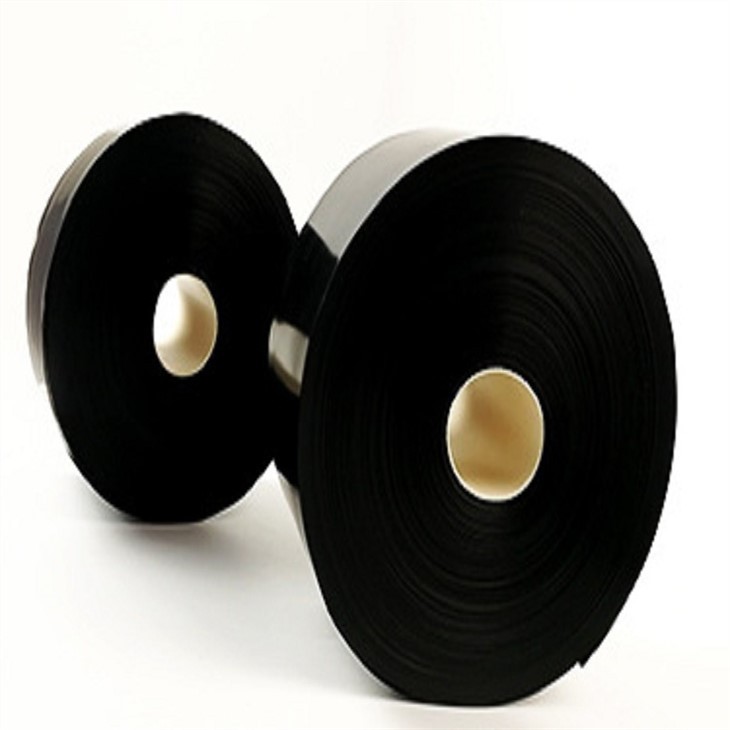
For example, in the construction industry, using functional films for insulation can significantly reduce energy consumption, resulting in lower utility bills over the long term. In the packaging industry, the use of functional films can reduce the amount of packaging material needed while still providing adequate protection to the products, leading to cost savings in both material and transportation.
5. Environmental Friendliness
In today's world, environmental friendliness is a crucial consideration for many industries. Functional films can contribute to a more sustainable future in several ways. Firstly, many functional films are made from recyclable materials, which reduces waste and promotes the circular economy. Secondly, their ability to enhance the performance and longevity of products means that fewer resources are consumed over time.
For instance, in the solar energy industry, functional films are used to improve the efficiency of solar panels. By increasing the amount of sunlight that can be converted into electricity, these films help to reduce the reliance on non - renewable energy sources.
6. Aesthetic Appeal
Functional films can also enhance the aesthetic appeal of products. They can be designed to have different colors, textures, and patterns, allowing manufacturers to create unique and eye - catching products. In the consumer electronics industry, for example, functional films are used to give smartphones and tablets a sleek and modern look.
In the interior design industry, functional films can be used to transform the appearance of furniture, walls, and floors. They can mimic the look of natural materials such as wood, stone, or leather, providing a cost - effective and sustainable alternative.
7. Easy Installation
Functional films are relatively easy to install, which can save time and labor costs during the manufacturing process. They can be applied using simple techniques such as lamination or coating, and do not require complex equipment or specialized skills. This makes them accessible to a wide range of manufacturers, from small - scale workshops to large - scale industrial plants.
8. Improved Safety
In some applications, functional films can improve safety. For example, in the construction of buildings, fire - retardant functional films can be used to prevent the spread of fire, protecting the occupants and the structure. In the transportation industry, anti - fogging functional films can be applied to windshields and windows to improve visibility, reducing the risk of accidents.
Conclusion
In conclusion, the advantages of functional films are numerous and far - reaching. From enhanced performance and protection to versatility and cost - effectiveness, these films offer a wide range of benefits that make them an attractive choice for various industries. As a supplier of functional films, I am committed to providing high - quality products that meet the evolving needs of our customers.
If you are interested in learning more about our functional films or are considering incorporating them into your products, I encourage you to reach out to us for a procurement discussion. We have a team of experts who can help you select the most suitable functional films for your specific application and provide you with detailed technical support.
References
- Smith, J. (2020). "Advances in Functional Film Technology". Journal of Materials Science.
- Johnson, A. (2019). "The Role of Functional Films in Sustainable Development". Environmental Science Review.
- Brown, C. (2021). "Functional Films for Medical Applications". Medical Engineering Journal.