

As a seasoned supplier of Food Packaging Bag, I've had the privilege of witnessing the diverse needs of the snack industry firsthand. Food packaging bags come in a wide range of sizes, each tailored to specific types of snacks, consumer preferences, and marketing strategies. In this blog post, I'll delve into the common sizes of food packaging bags for snacks, exploring the factors that influence these sizes and how they impact the overall snacking experience.
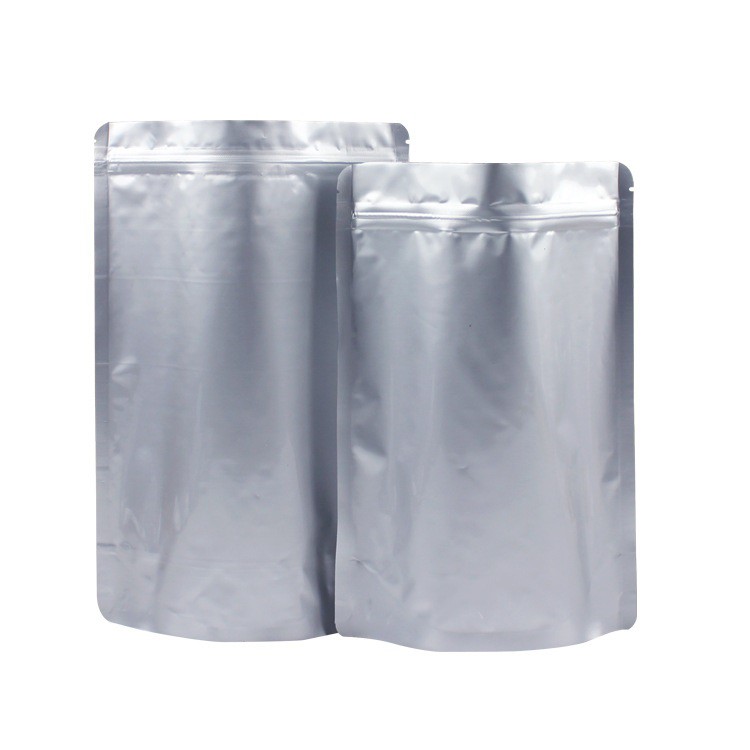

Small - Sized Packaging Bags
Small - sized food packaging bags are a staple in the snack industry. These bags typically range from 3 inches (7.62 cm) to 6 inches (15.24 cm) in height and 2 inches (5.08 cm) to 4 inches (10.16 cm) in width. They are commonly used for single - serving snacks such as candy bars, small packs of nuts, and individual servings of chips.
One of the main advantages of small - sized packaging is its portability. Consumers can easily slip these bags into their pockets, purses, or backpacks, making them ideal for on - the - go snacking. Additionally, small packages are often more affordable for consumers, allowing them to try a variety of snacks without committing to a large quantity.
From a marketing perspective, small - sized bags can be used to introduce new products or flavors to the market. They can also be bundled together to create multi - pack offerings, which can increase sales volume. For example, a company might offer a pack of six small bags of different flavored chips, appealing to consumers who want a variety of tastes.
Medium - Sized Packaging Bags
Medium - sized food packaging bags are larger than their small counterparts, typically measuring between 6 inches (15.24 cm) and 10 inches (25.4 cm) in height and 4 inches (10.16 cm) to 6 inches (15.24 cm) in width. These bags are commonly used for family - sized or sharing snacks, such as larger bags of chips, pretzels, or popcorn.
Medium - sized bags strike a balance between individual and bulk packaging. They are large enough to satisfy the appetites of multiple people but not so large that they become overwhelming or difficult to store. This makes them a popular choice for home consumption, parties, and gatherings.
In terms of packaging design, medium - sized bags offer more space for branding and product information. Companies can use this extra space to showcase their logo, highlight key features of the snack, and provide nutritional information. For instance, a bag of organic popcorn might use the additional space to display its non - GMO certification and list the natural ingredients used.
Large - Sized Packaging Bags
Large - sized food packaging bags are designed for bulk snacks and are typically used for commercial or institutional settings. These bags can range from 10 inches (25.4 cm) to 20 inches (50.8 cm) in height and 6 inches (15.24 cm) to 12 inches (30.48 cm) in width. They are commonly used for snacks that are sold in large quantities, such as bulk nuts, grains, or dried fruits.
Large - sized bags are cost - effective for businesses that need to purchase snacks in bulk. They also reduce the amount of packaging waste compared to multiple small or medium - sized bags. However, they can be less convenient for individual consumers due to their size and weight.
When it comes to packaging materials, large - sized bags often require more durable materials to withstand the weight and handling during transportation and storage. Aluminum Foil Vacuum Bag is a popular choice for large - sized snack packaging as it provides excellent barrier properties against moisture, oxygen, and light, helping to preserve the freshness and quality of the snacks.
Factors Influencing Packaging Bag Sizes
Several factors influence the choice of packaging bag sizes for snacks. One of the most important factors is the type of snack. Snacks that are easily breakable, such as chips or crackers, may require smaller bags to prevent damage during transportation. On the other hand, snacks that are more durable, such as nuts or dried fruits, can be packaged in larger bags.
Consumer preferences also play a significant role in determining packaging sizes. As mentioned earlier, consumers' demand for on - the - go snacks has led to an increase in the popularity of small - sized packaging. Additionally, the trend towards healthy snacking has influenced the size of packaging, with more single - serving options available for healthier snacks.
Marketing and branding strategies also impact packaging sizes. Companies may choose to use larger bags to make their products stand out on the shelves or to offer a premium product. Conversely, smaller bags can be used to target price - sensitive consumers or to promote new products.
Impact of Packaging Sizes on the Snacking Experience
The size of the packaging bag can have a significant impact on the snacking experience. Small - sized bags encourage portion control, which can be beneficial for consumers who are watching their calorie intake. They also allow consumers to try a variety of snacks without overindulging.
Medium - sized bags are great for sharing and socializing. They create a sense of community and can enhance the enjoyment of snacks during parties or gatherings. Additionally, the larger size provides more opportunities for interaction, such as passing the bag around and sharing with friends and family.
Large - sized bags, while mainly used for commercial purposes, can also offer value for consumers who have a high demand for snacks. However, they may require more effort to store and handle, which can be a drawback for some consumers.
Conclusion
In conclusion, the common sizes of food packaging bags for snacks vary from small single - serving bags to large bulk bags, each serving a specific purpose in the snack industry. As a Food Packaging Bag supplier, I understand the importance of providing the right size and type of packaging to meet the diverse needs of our customers.
Whether you're a snack manufacturer looking to introduce a new product, a retailer seeking to optimize your shelf space, or a consumer looking for the perfect snack, the size of the packaging bag can make a big difference. We offer a wide range of packaging sizes and materials to ensure that your snacks are well - protected, visually appealing, and convenient for your target market.
If you're interested in learning more about our food packaging bag solutions or have specific requirements for your snack products, please don't hesitate to reach out. We're here to help you find the best packaging options for your business.
References
- Packaging Machinery Manufacturers Institute. (2023). Snack Food Packaging Trends.
- Smith, J. (2022). The Impact of Packaging Design on Consumer Behavior. Journal of Marketing Research.
- International Food Packaging Association. (2021). Guidelines for Snack Food Packaging.