

Can a genetic disorder affect the mucous membrane?
The mucous membrane is a critical part of our body, lining various cavities and internal organs. It serves as a protective barrier, helping to prevent the entry of pathogens, and also plays a role in functions such as absorption and secretion. As a supplier of mucous membrane - related products, I have a deep - seated interest in understanding how different factors, including genetic disorders, can impact this vital tissue.
Genetic disorders are conditions caused by abnormalities in an individual's DNA. These can range from single - gene mutations to complex chromosomal aberrations. When it comes to the mucous membrane, genetic disorders can have a profound and diverse impact.
One of the ways genetic disorders can affect the mucous membrane is by disrupting its normal structure. For example, in some genetic connective tissue disorders, the genes responsible for producing the proteins that give the mucous membrane its strength and flexibility are mutated. Collagen, a key protein in the mucous membrane, may be abnormally formed or produced in insufficient quantities. This can lead to a weakened mucous membrane that is more prone to damage. Patients with Ehlers - Danlos syndrome, a group of genetic connective tissue disorders, often experience problems with their mucous membranes. The mucous membranes in their digestive tract, for instance, may be more fragile, leading to increased risk of ulcers and bleeding.
Another aspect is the impact on the immune function of the mucous membrane. Genetic disorders can interfere with the normal immune response at the mucous membrane level. The mucous membrane is equipped with a variety of immune cells and molecules that help to defend against infections. In some primary immunodeficiency disorders, genetic mutations can affect the production or function of these immune components. For example, in X - linked agammaglobulinemia, a genetic disorder where the body fails to produce mature B - lymphocytes, the mucous membranes in the respiratory and gastrointestinal tracts are more vulnerable to infections. Without the proper production of antibodies, which are crucial for fighting off pathogens, the mucous membrane loses its ability to effectively protect the body.
Genetic disorders can also influence the secretory function of the mucous membrane. The mucous membrane secretes mucus, which helps to trap foreign particles and lubricate the surfaces. Some genetic conditions can disrupt the normal production or composition of mucus. Cystic fibrosis is a well - known genetic disorder in this regard. A mutation in the CFTR gene leads to abnormal chloride ion transport across the cell membrane. This results in the production of thick, sticky mucus in the respiratory and digestive mucous membranes. In the lungs, the thick mucus can clog the airways, making it difficult to breathe and increasing the risk of respiratory infections. In the pancreas, it can block the ducts, interfering with the normal secretion of digestive enzymes.
The implications of genetic disorders affecting the mucous membrane are far - reaching. From a medical perspective, it can lead to a wide range of health problems for patients. Chronic infections, malabsorption of nutrients, and pain are just some of the common issues. Moreover, these conditions often require long - term management and treatment, placing a significant burden on patients, their families, and the healthcare system.
As a mucous membrane supplier, understanding these genetic impacts is crucial. It allows us to develop products that can potentially address some of the challenges faced by patients with genetic disorders affecting the mucous membrane. For example, we can explore the development of products that can help to strengthen the weakened mucous membrane in patients with connective tissue disorders. This could involve the use of substances that promote collagen synthesis or enhance the structural integrity of the membrane.
In addition, we can look into products that can modulate the immune response at the mucous membrane level. There is a growing interest in developing immunomodulatory agents that can help to restore the normal immune function of the mucous membrane in patients with primary immunodeficiency disorders. These products could potentially reduce the frequency and severity of infections.
When it comes to the issue of abnormal mucus production, we can focus on developing products that can help to thin the thick mucus. This could be in the form of medications or supplements that can improve the hydration and fluidity of the mucus, making it easier to clear from the airways or digestive tract.
In the field of functional films, there are also potential applications related to the mucous membrane. Anti Ageing Film could potentially be used in the development of products that can protect the mucous membrane from the effects of aging, which may be exacerbated in some genetic disorders. The anti - ageing properties of the film could help to maintain the integrity and function of the mucous membrane over time.
Flame Retardant Coating may seem an unlikely candidate at first glance, but in some medical settings where there are risks of fire exposure, such as in certain surgical procedures, a flame - retardant coating on mucous membrane - related devices or materials could provide an extra layer of safety.
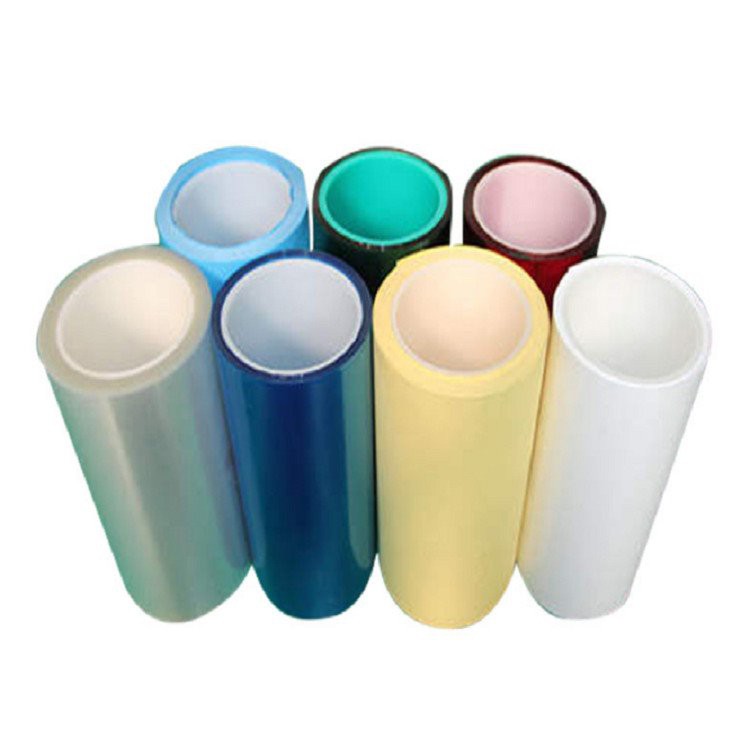
Release Film can be used in the manufacturing process of mucous membrane - related products. It can ensure smooth production and prevent adhesion of the product to the manufacturing equipment, which is important for maintaining the quality and integrity of the final product.
If you are in the medical field, involved in research related to the mucous membrane, or are a healthcare provider looking for innovative solutions for patients with genetic disorders affecting the mucous membrane, we would love to engage in a discussion. Our team of experts is dedicated to developing high - quality products that can meet your specific needs. Whether it's about strengthening the mucous membrane, modulating its immune function, or dealing with abnormal mucus production, we are here to help. Contact us to start a procurement discussion and explore how our products can make a difference in the management of these complex conditions.
References

- Behrman, R. E., Kliegman, R. M., & Jenson, H. B. (2011). Nelson Textbook of Pediatrics. Elsevier Saunders.
- Hoffman, R., Benz, E. J., Shattil, S. J., Furie, B., Cohen, H. J., Silberstein, L. E., & McGlave, P. B. (2013). Hematology: Basic Principles and Practice. Elsevier.
- Murray, R. K., Bender, D. A., Botham, K. M., Kennelly, P. J., Rodwell, V. W., & Weil, P. A. (2012). Harper's Illustrated Biochemistry. McGraw - Hill Medical.