

Hey there! As a supplier of high-pressure bags, I often get asked, "Can a high-pressure bag be used for storing chemicals?" Well, let's dive right into this topic and find out.
First off, let's understand what high-pressure bags are. These bags are designed to withstand a certain level of internal pressure. They're made from materials that are strong and durable, which is crucial when you're dealing with substances that might exert force on the bag's walls. But when it comes to chemicals, things get a bit more complicated.
Chemicals come in all shapes and sizes, with different properties and characteristics. Some are corrosive, some are reactive, and some are volatile. So, the big question is whether a high-pressure bag can handle these chemicals without any issues.
The answer isn't a simple yes or no. It depends on several factors. One of the most important factors is the material of the high-pressure bag. Different materials have different levels of resistance to chemicals. For example, polyethylene (PE) is a common material used in high-pressure bags. It's known for its good chemical resistance, especially against non-polar solvents. If you're storing chemicals like oils or some types of alcohols, a PE Pocket might be a good choice.
However, if you're dealing with strong acids or bases, PE might not be the best option. These chemicals can react with the PE material over time, causing it to degrade and potentially leak. In such cases, you might need a bag made from a more chemically resistant material, like fluoropolymers. Fluoropolymers are known for their excellent resistance to a wide range of chemicals, including strong acids, bases, and solvents. But they're also more expensive than PE.
Another factor to consider is the pressure that the chemicals will exert on the bag. Some chemicals, especially those that are volatile or undergo a chemical reaction, can generate a significant amount of pressure inside the bag. A high-pressure bag needs to be able to withstand this pressure without bursting or leaking. This is where the design and construction of the bag come into play.
A well-designed high-pressure bag should have a strong seal and be able to distribute the pressure evenly across its surface. Square Bottom Bag designs are often preferred for storing chemicals because they provide a stable base and can better handle the weight and pressure of the contents. The square shape also allows for more efficient use of storage space.
It's also important to consider the storage conditions. Chemicals should be stored in a cool, dry place away from direct sunlight and heat sources. High temperatures can increase the volatility of chemicals and put more stress on the bag. Additionally, the bag should be protected from physical damage, such as punctures or abrasions, which could compromise its integrity.
Now, let's talk about safety. When using high-pressure bags to store chemicals, safety should always be your top priority. Make sure you follow all the relevant safety regulations and guidelines. This includes proper labeling of the bag with the name of the chemical, its hazards, and any handling instructions. You should also have a spill response plan in place in case of an accident.
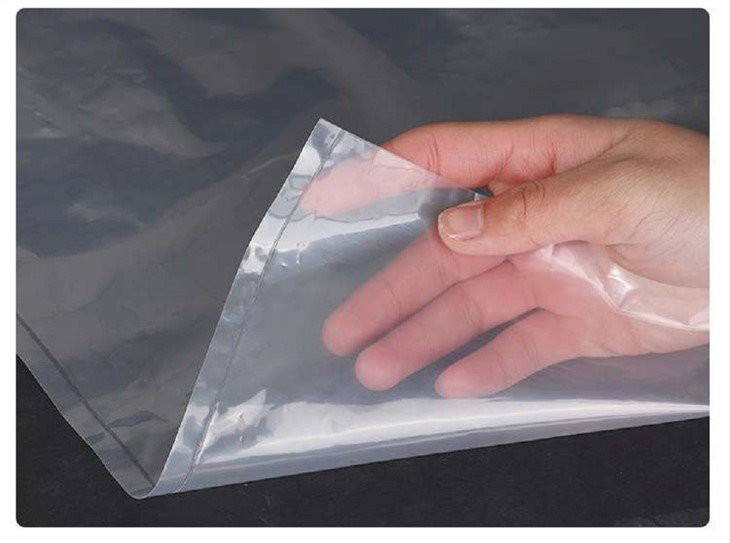

If you're unsure whether a high-pressure bag is suitable for storing a particular chemical, it's always a good idea to consult with a chemical expert or a professional in the field. They can help you determine the best type of bag and material based on the specific properties of the chemical.
As a high-pressure bag supplier, I offer a wide range of bags that are suitable for different applications. Whether you need a bag for storing mild chemicals or more aggressive substances, I can help you find the right solution. My bags are made from high-quality materials and are designed to meet the highest standards of quality and safety.
If you're interested in purchasing high-pressure bags for chemical storage, I'd love to hear from you. We can discuss your specific requirements and find the best bag for your needs. Contact me today to start the conversation and let's work together to find the perfect solution for your chemical storage needs.
References
- "Handbook of Chemical Resistance of Plastics"
- "Safety Guidelines for Chemical Storage"