

As a supplier of Single System Bonding Evaporators, I often encounter questions from customers regarding the suitability of our products in hazardous environments. This blog post aims to delve into this topic, providing a comprehensive analysis of whether a Single System Bonding Evaporator can be used in such settings.
Understanding Single System Bonding Evaporators
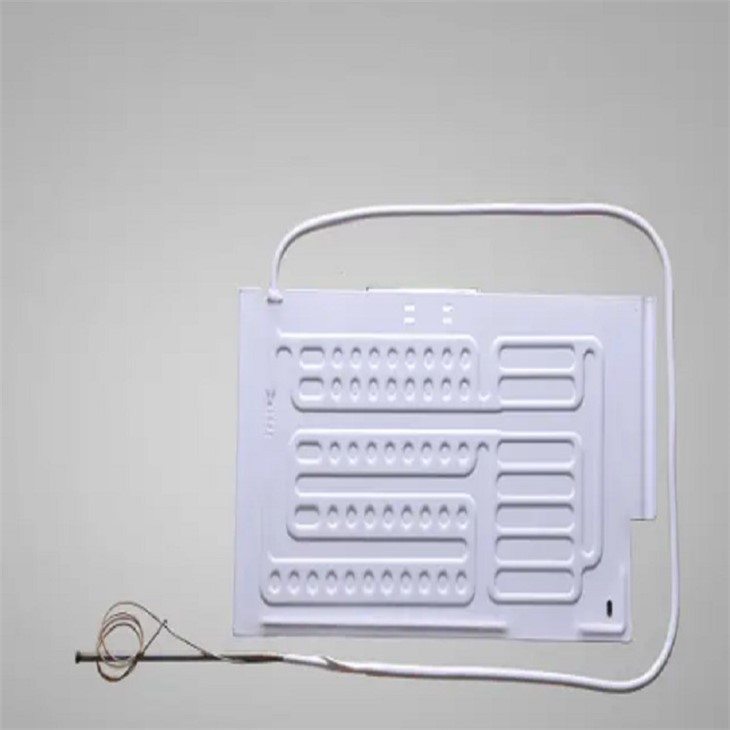
Before discussing their use in hazardous environments, it's essential to understand what Single System Bonding Evaporators are. These evaporators are designed to efficiently transfer heat in refrigeration systems. They work by bonding a refrigerant tube to a metal plate, which maximizes the surface area for heat exchange. This design results in improved heat transfer efficiency, reduced energy consumption, and enhanced reliability compared to traditional evaporators.
Single System Bonding Evaporators are commonly used in various applications, including Refrigerator Evaporator and Bonded Type Evaporator. They are known for their compact size, ease of installation, and long service life.
Characteristics of Hazardous Environments
Hazardous environments are characterized by the presence of flammable, explosive, corrosive, or toxic substances. These environments can be found in industries such as chemical manufacturing, oil and gas, mining, and food processing. In these settings, safety is of utmost importance, and equipment must be designed to meet strict safety standards.

Some of the key factors that need to be considered when using equipment in hazardous environments include:
- Flammability and Explosibility: The presence of flammable gases, vapors, or dust can pose a significant risk of fire or explosion. Equipment must be designed to prevent the ignition of these substances.
- Corrosion: Corrosive substances can damage equipment over time, leading to leaks and other safety hazards. Equipment must be made of materials that are resistant to corrosion.
- Toxicity: Exposure to toxic substances can cause serious health problems for workers. Equipment must be designed to prevent the release of these substances into the environment.
- Temperature and Pressure: Hazardous environments may have extreme temperatures and pressures, which can affect the performance and reliability of equipment. Equipment must be designed to withstand these conditions.
Can a Single System Bonding Evaporator be Used in a Hazardous Environment?
The answer to this question depends on several factors, including the specific hazardous environment, the design and construction of the evaporator, and the safety standards that need to be met.
Design and Construction
Single System Bonding Evaporators can be designed and constructed to meet the requirements of hazardous environments. For example, they can be made of materials that are resistant to corrosion, such as stainless steel or aluminum. They can also be designed with explosion-proof enclosures and other safety features to prevent the ignition of flammable substances.
In addition, the refrigerant used in the evaporator must be carefully selected to ensure that it is compatible with the hazardous environment. Some refrigerants are flammable or toxic, and their use in hazardous environments may require special precautions.
Safety Standards
To use a Single System Bonding Evaporator in a hazardous environment, it must meet the relevant safety standards. These standards are designed to ensure the safety of workers and the environment. Some of the common safety standards that apply to equipment used in hazardous environments include:
- IEC 60079: This international standard covers the design, construction, and testing of electrical equipment for use in explosive atmospheres.
- UL 913: This standard is used in the United States to evaluate the safety of equipment used in hazardous locations.
- ATEX: This European directive covers the use of equipment in explosive atmospheres.
By ensuring that the Single System Bonding Evaporator meets these safety standards, you can minimize the risk of fire, explosion, and other safety hazards in hazardous environments.
Advantages of Using a Single System Bonding Evaporator in a Hazardous Environment
Despite the challenges, there are several advantages to using a Single System Bonding Evaporator in a hazardous environment:
- Improved Safety: By using a Single System Bonding Evaporator that is designed and constructed to meet the requirements of hazardous environments, you can improve the safety of your workers and the environment.
- Energy Efficiency: Single System Bonding Evaporators are known for their high energy efficiency, which can help reduce operating costs in hazardous environments.
- Reliability: These evaporators are designed to be reliable and durable, which can help minimize downtime and maintenance costs in hazardous environments.
- Compact Size: Single System Bonding Evaporators are compact in size, which can be an advantage in hazardous environments where space is limited.
Considerations for Using a Single System Bonding Evaporator in a Hazardous Environment
Before using a Single System Bonding Evaporator in a hazardous environment, there are several considerations that you need to keep in mind:
- Risk Assessment: Conduct a thorough risk assessment of the hazardous environment to identify the potential hazards and determine the appropriate safety measures.
- Compliance: Ensure that the evaporator meets the relevant safety standards and regulations for the hazardous environment.
- Installation and Maintenance: Have the evaporator installed and maintained by qualified professionals who are familiar with the requirements of hazardous environments.
- Training: Provide training to your workers on the safe use and maintenance of the evaporator in the hazardous environment.
Conclusion
In conclusion, a Single System Bonding Evaporator can be used in a hazardous environment, provided that it is designed and constructed to meet the requirements of the specific environment and the relevant safety standards. By considering the factors discussed in this blog post, you can make an informed decision about whether a Single System Bonding Evaporator is the right choice for your hazardous environment.
If you are interested in learning more about our Single System Bonding Evaporators or have any questions about their use in hazardous environments, please feel free to contact us. We are happy to assist you in finding the right solution for your needs.
References
- IEC 60079 - Electrical apparatus for explosive gas atmospheres.
- UL 913 - Standard for Intrinsically Safe Apparatus and Associated Apparatus for Use in Class I, II, and III, Division 1, Hazardous (Classified) Locations.
- ATEX Directive 2014/34/EU - Equipment and protective systems intended for use in potentially explosive atmospheres.