

As a supplier of Electric Conductive Film, I've been asked numerous times about the potential applications of our product, especially in the area of heat dissipation. This blog post aims to explore the scientific basis and practical feasibility of using Electric Conductive Film for heat dissipation.
The Basics of Electric Conductive Film
Electric Conductive Film is a thin layer of material that has the ability to conduct electricity. It is typically made from materials such as indium tin oxide (ITO), carbon nanotubes, or conductive polymers. These materials are chosen for their high electrical conductivity and transparency, which makes them suitable for a wide range of applications, including touchscreens, solar cells, and flexible electronics.
The conductivity of the film allows it to carry electrical current, which is essential for many electronic devices. But beyond its electrical properties, the question arises: can it also play a role in heat management?
The Science of Heat Dissipation
Heat dissipation is the process of transferring heat from a hot object to a cooler environment. This is crucial in electronic devices because excessive heat can lead to reduced performance, shortened lifespan, and even device failure. There are three main methods of heat transfer: conduction, convection, and radiation.
Conduction is the transfer of heat through direct contact between two objects. For example, when a hot metal rod is placed in contact with a cooler surface, heat will flow from the rod to the surface. Convection involves the transfer of heat through the movement of a fluid, such as air or water. When a fluid is heated, it becomes less dense and rises, creating a flow that carries heat away. Radiation is the transfer of heat through electromagnetic waves, which can travel through a vacuum.
Can Electric Conductive Film Aid in Heat Dissipation?
Conduction
Electric Conductive Film can potentially contribute to heat dissipation through conduction. Since it is in direct contact with the electronic components, it can act as a thermal conductor. Materials with high electrical conductivity often also have relatively good thermal conductivity. For instance, metals like copper and aluminum are excellent conductors of both electricity and heat.

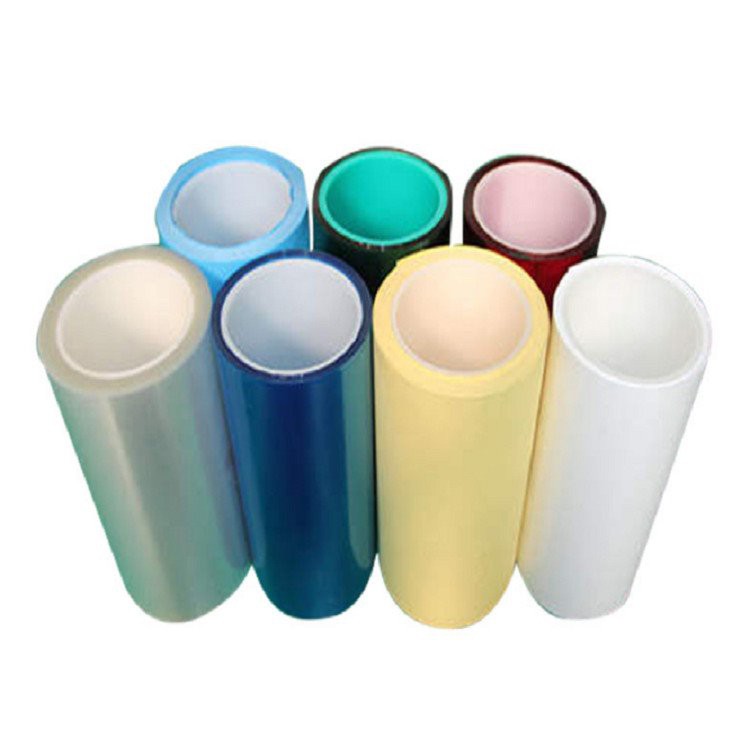
The conductive materials in Electric Conductive Film, such as carbon nanotubes, have been shown to have high thermal conductivity. Carbon nanotubes have a unique structure that allows for efficient transfer of heat along their length. When incorporated into a film, they can create a network that facilitates the flow of heat from the heat - generating components to the surrounding environment.
Convection
In some cases, Electric Conductive Film can also influence convection. If the film is designed in a way that it can enhance the airflow around the electronic device, it can help in carrying away the heat. For example, a patterned Electric Conductive Film can create channels for air to flow, increasing the convective heat transfer.
Radiation
Although the primary function of Electric Conductive Film is not related to radiation heat transfer, certain materials used in the film may have some radiative properties. Some conductive polymers can emit infrared radiation, which is a form of heat transfer. However, the contribution of radiation from the film to overall heat dissipation is likely to be relatively small compared to conduction and convection.
Practical Applications
Mobile Devices
In mobile phones and tablets, heat dissipation is a significant concern. The processors in these devices generate a large amount of heat during operation. Electric Conductive Film can be used in the internal structure of these devices to conduct heat away from the processor and spread it over a larger area. This can prevent hotspots and improve the overall performance and reliability of the device.
LED Lighting
LEDs are known for their energy - efficiency, but they also generate heat. If not properly dissipated, the heat can reduce the lifespan and light output of the LEDs. Electric Conductive Film can be used as a heat - spreading layer in LED lighting fixtures. It can conduct heat from the LED chips to the heat sink, improving the cooling efficiency.
Automotive Electronics
In modern cars, there are numerous electronic components, such as infotainment systems, engine control units, and sensors. These components need to operate within a certain temperature range to function properly. Electric Conductive Film can be used to manage the heat generated by these components, ensuring the reliability and performance of the automotive electronics.
Comparing with Other Heat Dissipation Materials
Release Film
Release Film is another type of functional film that is often used in the electronics industry. While its primary function is to provide a release surface during the manufacturing process, it does not have significant heat dissipation properties. In contrast, Electric Conductive Film can be engineered to have both electrical conductivity and heat - conducting capabilities. You can learn more about Release Film at Release Film and Release Film.
Mucous Membrane
The Mucous Membrane is a specialized film with different functions, mainly related to protection and adhesion. It is not designed for heat dissipation. Electric Conductive Film, on the other hand, offers the potential for dual - purpose use in both electrical and thermal management.
Challenges and Limitations
While Electric Conductive Film shows promise for heat dissipation, there are some challenges and limitations. One of the main challenges is the optimization of the film's thermal conductivity. The manufacturing process needs to be carefully controlled to ensure that the conductive materials are evenly distributed and that the film has the desired thermal properties.
Another limitation is the cost. Developing high - performance Electric Conductive Film with excellent heat dissipation capabilities can be expensive. This may limit its widespread use in some applications, especially in cost - sensitive markets.
Conclusion
In conclusion, Electric Conductive Film has the potential to be used for heat dissipation. Through conduction, convection, and to a lesser extent, radiation, it can contribute to the thermal management of electronic devices. It offers unique advantages in applications such as mobile devices, LED lighting, and automotive electronics.
However, further research and development are needed to overcome the challenges and limitations. As a supplier of Electric Conductive Film, we are committed to exploring these possibilities and improving the product's performance in heat dissipation.
If you are interested in learning more about our Electric Conductive Film and its potential for heat dissipation applications, or if you are considering a purchase for your specific needs, we encourage you to contact us for a detailed discussion. We look forward to the opportunity to work with you and provide solutions that meet your requirements.
References
- "Thermal Conductivity of Carbon Nanotubes" - Journal of Applied Physics
- "Heat Transfer in Electronic Devices" - McGraw - Hill Handbook of Heat Transfer
- "Advances in Conductive Polymers for Electronic Applications" - Chemical Reviews