

Hey there! As a supplier of Flame Retardant Coating, I often get asked this question: Can flame retardant coating be used on fabric? Well, let's dive right into it and find out.
First off, the short answer is yes, flame retardant coating can absolutely be used on fabric. But there's a lot more to it than just a simple yes. There are various factors to consider, such as the type of fabric, the application method, and the specific requirements of the end - use.
Let's start with the types of fabrics. Different fabrics have different properties, and not all of them will react the same way to flame retardant coatings. Natural fibers like cotton, wool, and silk have their own characteristics. Cotton is a widely used fabric, but it's highly flammable. Applying a flame retardant coating can significantly reduce its flammability. For example, in a home environment, curtains made of cotton can pose a fire risk. By treating them with a flame retardant coating, we can make them much safer.
Wool, on the other hand, has some natural flame - resistant properties. However, adding a flame retardant coating can enhance its performance even further. This is especially important in applications like upholstery for public spaces, where strict fire safety regulations are in place.
Synthetic fibers like polyester, nylon, and acrylic also have different reactions to flame retardant coatings. Polyester is relatively resistant to ignition but can melt and drip when exposed to fire, which can spread the fire. A good flame retardant coating can prevent this melting and dripping behavior.
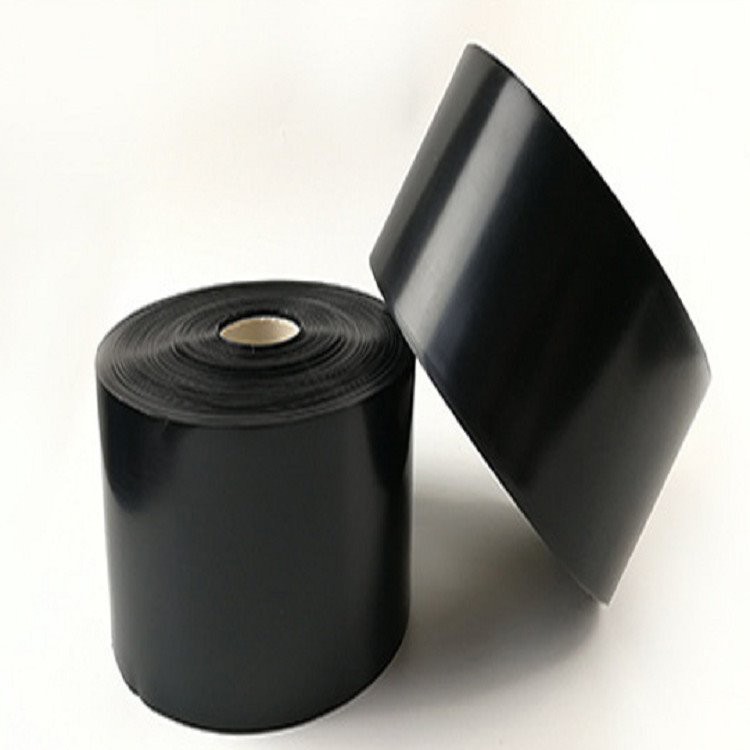

When it comes to applying the flame retardant coating on fabric, there are a few common methods. One of the most popular methods is the padding process. In this process, the fabric is immersed in a bath containing the flame retardant coating solution. Then, it's passed through squeeze rollers to remove the excess liquid. After that, the fabric is dried and cured at a specific temperature. This method ensures an even distribution of the coating on the fabric surface.
Another method is spraying. Spraying is a more flexible method, especially for large - scale production or for treating irregularly shaped fabrics. However, it requires careful control to ensure that the coating is applied evenly. Too much coating can make the fabric stiff and uncomfortable, while too little may not provide adequate fire protection.
Now, let's talk about the specific requirements for different end - uses. In the home textile industry, flame retardant coatings are used for items like bedding, curtains, and upholstery. The coatings need to be non - toxic and odorless, as they will be in close contact with people. In the automotive industry, flame retardant coatings for seat covers and interior fabrics need to meet strict automotive safety standards. They should also be durable and resistant to wear and tear, as cars are subject to a lot of movement and friction.
In the aerospace industry, the requirements are even more stringent. Flame retardant coatings for aircraft interiors need to be lightweight, have excellent fire - resistant properties, and be able to withstand extreme conditions.
One thing to keep in mind is that the performance of flame retardant coatings on fabric can be affected by various factors. Washing is one of the main factors. Repeated washing can reduce the effectiveness of the coating. That's why some flame retardant coatings are designed to be durable and resistant to washing. For example, there are some new - generation coatings that can maintain their fire - resistant properties even after multiple washes.
Another factor is environmental conditions. High humidity, temperature changes, and exposure to sunlight can all have an impact on the performance of the coating. Some coatings are formulated to be more resistant to these environmental factors.
Now, let's touch on some related products. If you're interested in other functional films, we also have Electric Conductive Film and Release Film. These films have their own unique properties and applications. The Electric Conductive Film is widely used in electronic devices, while the Release Film is used in various manufacturing processes.
So, if you're in the market for flame retardant coatings for fabric, or any of the other functional films I mentioned, we're here to help. We have a wide range of products that can meet different needs and requirements. Whether you're a small - scale manufacturer or a large - scale enterprise, we can provide you with high - quality products and excellent customer service.
If you're interested in learning more about our products or want to discuss your specific requirements, don't hesitate to reach out. We'd love to have a chat with you and see how we can work together to meet your fire safety and functional film needs.
In conclusion, flame retardant coating can definitely be used on fabric, and it plays a crucial role in enhancing fire safety in various industries. With the right choice of coating, application method, and consideration of end - use requirements, we can ensure that the fabric meets the necessary fire safety standards.
References
- "Fire Retardant Textiles" by R. Horrocks and D. Price
- "Handbook of Textile Fibre Structure" by R. Postle and S. Tweddle