

When it comes to food packaging, the structure of a food packaging bag plays a crucial role in preserving the quality and safety of the food inside. As a leading Food Packaging Bag supplier, I have in - depth knowledge of the various components that make up these essential packaging solutions. In this blog, I will delve into the key components of a food packaging bag's structure, explaining their functions and importance.
Outer Layer
The outer layer of a food packaging bag is often the first point of contact with the consumer. It serves multiple purposes, including providing a printable surface for branding and product information, as well as offering protection against external physical damage.
Printing and Branding
One of the primary functions of the outer layer is to act as a canvas for printing. Companies can showcase their logos, product names, nutritional information, and usage instructions. High - quality printing on the outer layer helps in brand recognition and attracting consumers. For example, a brightly colored and well - designed outer layer with clear product details can stand out on the shelves of a supermarket.
Physical Protection
The outer layer also protects the inner layers and the food from scratches, abrasions, and minor impacts during handling, transportation, and storage. It can be made from materials such as polypropylene (PP) or polyethylene terephthalate (PET). These materials are known for their durability and resistance to tearing. For instance, PET has high tensile strength, which means it can withstand a certain amount of pulling force without breaking easily.
Moreover, if you are interested in exploring our range of Food Packaging Bag, you can click on the link to view more details.
Barrier Layer
The barrier layer is a critical component of a food packaging bag as it protects the food from external factors that can cause spoilage, such as oxygen, moisture, light, and odors.
Oxygen Barrier
Oxygen is one of the main culprits in food spoilage. It can cause oxidation of fats, leading to rancidity, and promote the growth of aerobic microorganisms. Materials like ethylene vinyl alcohol (EVOH) and aluminum foil are commonly used as oxygen barriers. Aluminum foil, in particular, has excellent oxygen - barrier properties. It can virtually block all oxygen from entering the packaging, thus extending the shelf - life of oxygen - sensitive foods like nuts, coffee, and cured meats.
Moisture Barrier
Moisture can also have a detrimental effect on food quality. It can cause the food to become soggy, moldy, or lose its texture. Polyethylene (PE) is often used as a moisture - barrier material. It has low water - vapor transmission rate (WVTR), which means it can prevent moisture from entering or leaving the packaging. For example, in the packaging of dry snacks like chips, a good moisture barrier is essential to keep the chips crispy.
Light Barrier
Light can cause chemical reactions in food, such as the breakdown of vitamins and the development of off - flavors. Aluminum foil is an effective light - barrier material as it can block both visible and ultraviolet light. This is especially important for foods like milk and fruit juices, which can be sensitive to light exposure.
Odor Barrier
Some foods have strong odors, and it is important to prevent these odors from escaping the packaging or from other odors in the environment from entering. Materials with good odor - barrier properties, such as certain types of polymers, can be used in the barrier layer to ensure that the food retains its original flavor and aroma.
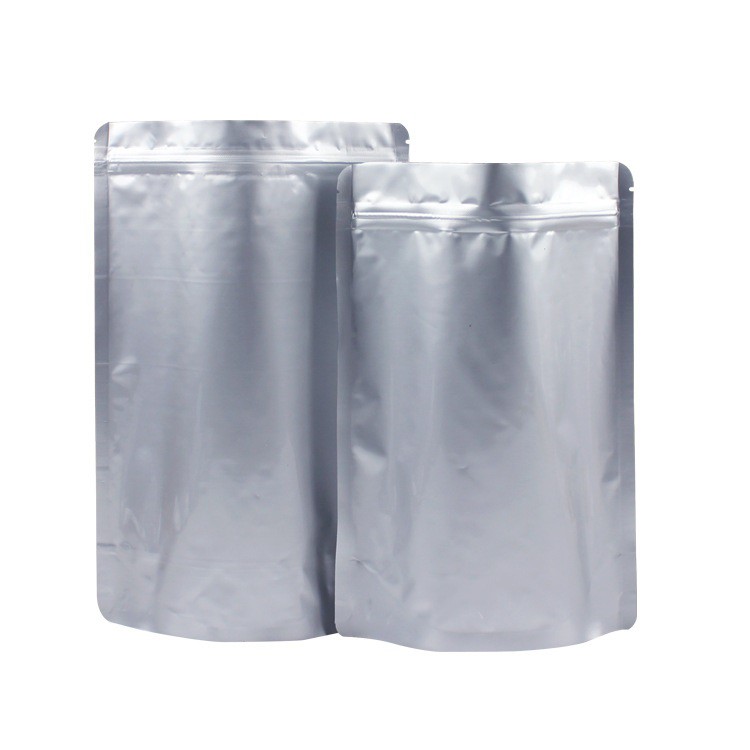
If you are looking for a packaging solution with excellent barrier properties, our Aluminum Foil Vacuum Bag is a great option. It combines the benefits of aluminum foil's barrier functions with the vacuum - sealing technology to provide optimal protection for your food products.

Inner Layer
The inner layer of a food packaging bag is in direct contact with the food. Therefore, it must be non - toxic, food - grade, and have good heat - sealing properties.
Food - Grade Material
The inner layer is typically made from materials like polyethylene (PE) or polypropylene (PP). These materials are approved by food - safety authorities for direct contact with food. They do not release harmful substances into the food, ensuring the safety of the consumers.
Heat - Sealing
Heat - sealing is an important process in food packaging as it creates a hermetic seal to keep the food fresh and prevent contamination. PE and PP have good heat - sealing properties, which means they can be easily sealed using heat to form a strong and reliable seal. For example, when packaging a bag of cookies, the inner layer can be heat - sealed to keep the cookies fresh and prevent them from being exposed to air and moisture.
Adhesive Layer
In multi - layer food packaging bags, an adhesive layer is often used to bond different layers together. This ensures the integrity of the packaging structure and prevents delamination.
Function of Adhesive
The adhesive layer must have good bonding strength to hold the layers firmly in place. It should also be compatible with the materials of the adjacent layers. For example, in a packaging bag with an outer layer of PET, a barrier layer of EVOH, and an inner layer of PE, a suitable adhesive is needed to bond these layers together.
Types of Adhesives
There are different types of adhesives used in food packaging, such as solvent - based adhesives, water - based adhesives, and solvent - free adhesives. Solvent - free adhesives are becoming more popular due to their environmental friendliness and food - safety advantages. They do not contain volatile organic compounds (VOCs) that can potentially contaminate the food.
Reinforcement Layer (Optional)
In some cases, a reinforcement layer may be added to the food packaging bag to increase its strength and durability.
Purpose of Reinforcement
This layer can help the packaging bag withstand higher pressures and stresses, especially in applications where the bag may be subjected to rough handling or heavy loads. For example, in the packaging of bulk food products, a reinforcement layer can prevent the bag from tearing or bursting.
Materials for Reinforcement
Materials like nylon or woven fabrics can be used as reinforcement layers. Nylon has high strength and abrasion resistance, which makes it suitable for enhancing the mechanical properties of the packaging bag.
If you are interested in our factory - made packaging solutions, you can visit our Aluminum Foil Vacuum Bag Factory page to learn more about our production capabilities and quality control processes.
Conclusion
In conclusion, the structure of a food packaging bag is a complex combination of different layers, each with its own specific functions. The outer layer provides branding and physical protection, the barrier layer safeguards the food from external factors, the inner layer ensures food safety and heat - sealing, the adhesive layer bonds the layers together, and the optional reinforcement layer enhances the strength of the bag.
As a professional Food Packaging Bag supplier, we understand the importance of these components and strive to provide high - quality packaging solutions that meet the diverse needs of our customers. Whether you are a small - scale food producer or a large - scale food manufacturer, we can offer customized packaging solutions to ensure the freshness, safety, and attractiveness of your food products.
If you are interested in purchasing our food packaging bags, we invite you to contact us for a detailed discussion. We are more than happy to provide you with samples, quotes, and technical support to help you make the best packaging decisions for your business.
References
- Robertson, G. L. (2012). Food Packaging: Principles and Practice. CRC Press.
- Han, J. H. (Ed.). (2014). Innovations in Food Packaging. Academic Press.