

Hey there! As a supplier of functional films, I've been getting a lot of questions lately about whether functional films can be used in data storage. It's a super interesting topic, and I'm excited to share my thoughts on it.
First off, let's talk about what functional films are. Functional films are basically thin layers of material that have specific functions. There are different types, like Release Film, which is great for applications where you need easy separation of materials. Then there's Mucous Membrane, which has properties that can be useful in certain medical or biological applications. And Anti Ageing Film, which is designed to protect against the effects of aging on surfaces.
Now, when it comes to data storage, traditional methods like hard drives and solid - state drives have been the go - to for a long time. But there are some limitations to these methods. For example, hard drives have moving parts, which can break down over time, and solid - state drives have a limited number of write cycles. So, there's a growing interest in exploring alternative data storage solutions, and functional films could potentially be part of the answer.

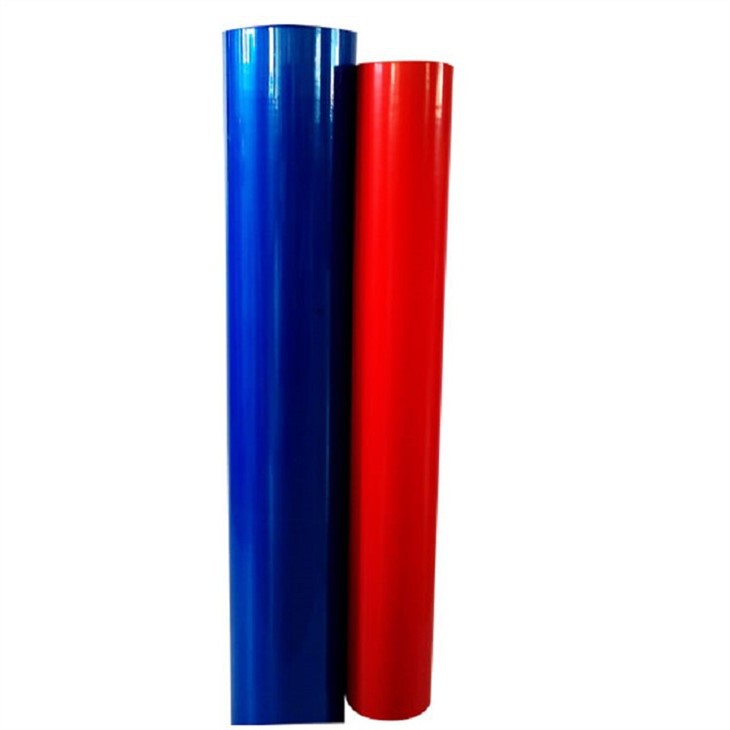
One of the key advantages of functional films for data storage is their thinness and flexibility. They can be made into very thin layers, which means they take up less space compared to traditional storage devices. This is especially important in today's world, where we're always looking to make our devices smaller and more portable. For example, in wearable technology, having a thin and flexible data storage solution would be a game - changer.
Another advantage is the potential for high - density storage. Some functional films can be engineered to have specific molecular structures that can store a large amount of data in a small area. Scientists are researching ways to use the unique properties of these films, such as their electrical conductivity or optical properties, to encode and read data. For instance, certain films can change their electrical resistance in response to an external stimulus, and this change can be used to represent binary data (0s and 1s).
However, there are also some challenges when it comes to using functional films for data storage. One of the biggest challenges is data durability. Data stored on functional films needs to be able to withstand environmental factors like temperature, humidity, and mechanical stress. If the data is easily corrupted or lost, then the film won't be a reliable storage solution.
Another challenge is the speed of data access. Traditional storage devices are designed to provide fast access to data, and functional films need to be able to compete in this area. Currently, the read and write speeds of functional film - based storage are generally slower than those of hard drives and solid - state drives. But with ongoing research and development, it's possible that these speeds could be improved.
In the research community, there have been some promising developments. Some studies have shown that certain types of functional films can store data for extended periods of time without significant degradation. For example, films made from certain polymers have been tested for their ability to store data in harsh environments, and the results have been quite encouraging.
There are also efforts to integrate functional films with existing data storage systems. This could involve using functional films as an additional layer or component in a traditional storage device to enhance its performance. For example, a functional film could be used to protect the data - storing components of a hard drive from physical damage or to improve the efficiency of data transfer.
In terms of the market potential, the demand for data storage is only going to increase in the coming years. With the growth of the Internet of Things (IoT), artificial intelligence, and big data, there will be a need for more and more storage solutions. Functional films could tap into this market, especially if they can offer unique advantages over traditional storage methods.
If you're in the business of data storage or related industries, you might be wondering how you can get involved with functional films. Well, as a supplier of functional films, I can offer you a range of products that could be suitable for your data - storage needs. Whether you're looking for a thin and flexible film for a new wearable device or a high - density storage film for a large - scale data center, we can work together to find the right solution.
We can also collaborate on research and development projects. If you have an idea for a new data - storage application using functional films, we can team up to test and develop it. Our team of experts has experience in working with different types of functional films and can provide technical support throughout the process.
So, if you're interested in exploring the potential of functional films for data storage, don't hesitate to reach out. We're here to answer your questions, provide samples, and start a conversation about how we can work together to bring innovative data - storage solutions to the market.
In conclusion, while there are still challenges to overcome, functional films have a lot of potential for data storage. Their thinness, flexibility, and potential for high - density storage make them an attractive option for future data - storage technologies. As a supplier of functional films, I'm excited to be part of this emerging field and to work with you to turn this potential into reality. If you're interested in learning more or starting a procurement discussion, feel free to get in touch, and let's see how we can make your data - storage dreams a reality.
References
- Research papers on functional materials for data storage
- Industry reports on emerging data storage technologies