

In the dynamic world of packaging solutions, one product has been steadily gaining traction for its versatility, durability, and practicality: the PE Pocket. As a dedicated supplier of PE Pockets, I am excited to delve into what makes these pockets a game - changer in various industries.
Understanding the Basics of PE Pocket
PE stands for polyethylene, a widely used thermoplastic polymer. Polyethylene is known for its excellent chemical resistance, low moisture absorption, and high strength - to - density ratio. A PE Pocket, then, is a pocket made from polyethylene material. These pockets come in a variety of shapes, sizes, and thicknesses to meet different needs.
The construction of a PE Pocket is relatively straightforward. It typically consists of a single or multiple layers of polyethylene film. The film can be extruded to create a seamless and uniform pocket. The edges are often sealed using heat or ultrasonic welding techniques to ensure a strong and leak - proof seal.
One of the key advantages of using polyethylene for pockets is its flexibility. PE Pockets can be easily customized to fit specific requirements. Whether you need a small pocket for holding jewelry or a large one for storing industrial parts, the material can be tailored accordingly. This adaptability makes PE Pockets suitable for a wide range of applications, from retail packaging to industrial storage.
Different Types of PE Pockets
There are several types of PE Pockets available in the market, each designed for specific purposes.
Standard PE Pockets
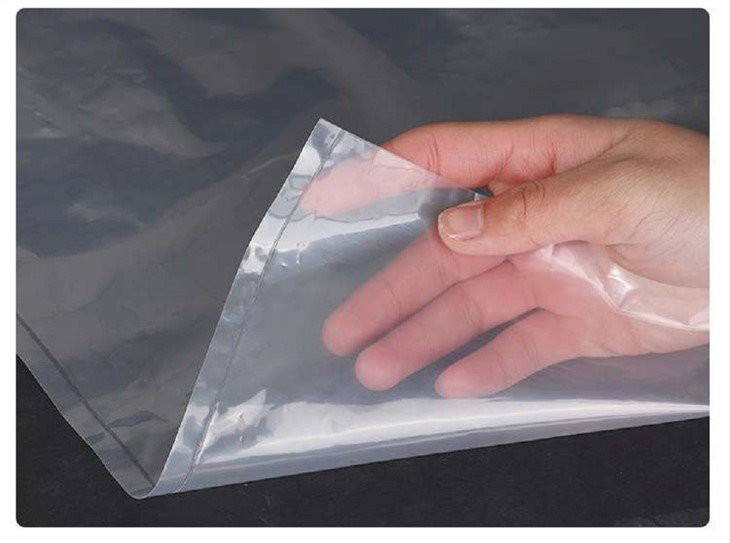
These are the most common type of PE Pockets. They are simple in design and are used for general packaging needs. Standard PE Pockets can be found in various sizes and are often used to package small items such as stationery, craft supplies, or food items. They are usually clear or translucent, allowing the contents to be easily visible.

High Pressure Bags
High Pressure Bags, a specialized type of PE Pocket, are designed to withstand high internal pressures. These bags are commonly used in industries where products need to be stored under pressure, such as in the packaging of inflatable products or certain chemical substances. The polyethylene material used in High Pressure Bags is thicker and more durable than that of standard pockets. You can learn more about High Pressure Bags by visiting High Pressure Bag.
Square Bottom Bags
Square Bottom Bags are another popular variant of PE Pockets. They have a flat bottom, which allows them to stand upright on shelves or other surfaces. This feature makes them ideal for packaging products that need to be displayed neatly, such as powders, granules, or small consumer goods. The square bottom design also provides more stability during filling and handling. To explore Square Bottom Bags further, check out Square Bottom Bag.
Applications of PE Pockets
The applications of PE Pockets are vast and diverse, spanning across multiple industries.
Retail Industry
In the retail sector, PE Pockets are used for product packaging and display. They can be used to package individual items or as part of a multi - item display. For example, clothing retailers may use PE Pockets to package accessories such as belts, scarves, or socks. The clear or colored pockets can enhance the visual appeal of the products and protect them from dust and damage.
Food Industry
PE Pockets are widely used in the food industry for packaging a variety of food products. They can be used to package dry goods such as cereals, snacks, and coffee beans, as well as fresh produce. The food - grade polyethylene used in these pockets ensures that the food remains fresh and safe for consumption. Additionally, the pockets can be printed with product information, nutritional facts, and branding, which helps in marketing and compliance.
Industrial Sector
In the industrial sector, PE Pockets are used for storing and transporting parts and components. They can protect delicate items from scratches, dirt, and moisture. For example, in the electronics industry, PE Pockets are used to package circuit boards, connectors, and other small electronic components. In the automotive industry, they are used to store gaskets, O - rings, and other small parts.
Medical and Pharmaceutical Industry
PE Pockets are also used in the medical and pharmaceutical fields. They can be used to package medical devices, samples, and medications. The material is often sterile and can be designed to meet strict regulatory requirements. For example, some PE Pockets are used to package syringes, test strips, and small vials.
Advantages of Choosing PE Pockets
There are several reasons why businesses should consider using PE Pockets for their packaging needs.
Cost - Effective
PE Pockets are relatively inexpensive to produce compared to other packaging materials. The raw material, polyethylene, is abundant and widely available, which helps keep the production costs down. This cost - effectiveness makes PE Pockets an attractive option for businesses of all sizes, especially those on a tight budget.
Durability
Polyethylene is a strong and durable material. PE Pockets can withstand normal wear and tear during handling, storage, and transportation. They are resistant to punctures, tears, and moisture, which helps protect the contents inside. This durability ensures that the products remain intact and in good condition until they reach the end - user.
Customizability
As mentioned earlier, PE Pockets can be easily customized. They can be printed with logos, product information, and other branding elements. The size, shape, and thickness of the pockets can also be adjusted according to the specific requirements of the product. This customizability allows businesses to create unique packaging solutions that stand out in the market.
Environmentally Friendly
In recent years, there has been a growing concern about the environmental impact of packaging materials. While polyethylene is a plastic, many PE Pockets are now made from recyclable or biodegradable polyethylene. This makes them a more sustainable option compared to some other types of packaging materials. Additionally, the lightweight nature of PE Pockets reduces the overall carbon footprint during transportation.
How to Choose the Right PE Pocket
When choosing a PE Pocket for your business, there are several factors to consider.
Size and Capacity
The first step is to determine the size and capacity of the pocket you need. Consider the dimensions of the product you want to package and how much space it will require. Make sure to leave some extra room for easy insertion and removal of the product.
Thickness
The thickness of the PE Pocket is an important factor, especially if the product is heavy or sharp. A thicker pocket will provide more protection against punctures and tears. However, a thicker pocket may also be more expensive. Strike a balance between the level of protection needed and the cost.
Printing and Branding
If you want to use the PE Pocket as a marketing tool, consider the printing and branding options available. Look for a supplier who can offer high - quality printing services and a wide range of colors and finishes.
Regulatory Compliance
If you are in an industry with strict regulatory requirements, such as the food, medical, or pharmaceutical industries, make sure the PE Pocket meets all the necessary standards. Check for certifications such as FDA approval for food - contact applications or ISO standards for quality management.
Conclusion
In conclusion, PE Pockets are a versatile and practical packaging solution that offers numerous benefits for businesses in various industries. Whether you are a retailer, manufacturer, or distributor, PE Pockets can help you protect your products, enhance their visual appeal, and reduce packaging costs. As a supplier of PE Pockets, I am committed to providing high - quality products that meet the diverse needs of my customers.
If you are interested in learning more about our PE Pockets or would like to discuss your specific packaging requirements, I encourage you to reach out. We can work together to find the perfect PE Pocket solution for your business. You can explore our range of PE Pockets by visiting PE Pocket.
References
- Packaging World. (2023). The Future of Plastic Packaging.
- Plastics Europe. (2023). Polyethylene: Properties and Applications.
- Industrial Packaging Mag. (2023). Best Practices for Packaging Industrial Components.