

Hey there! If you're here, you're probably wondering how to import data into Pocket. Well, you've come to the right place. I'm a Pocket supplier, and I've been in the game for quite a while, so I've got some solid tips and tricks to share with you.
First off, let's talk about why you might want to import data into Pocket. Maybe you've got a bunch of product information, customer details, or inventory data that you want to organize and manage more efficiently. Whatever the reason, Pocket is a great tool for keeping all that info in one place.

So, how do you actually do it? The process can vary depending on the type of data you're dealing with and the version of Pocket you're using. But in general, there are a few common steps you can follow.
Step 1: Prepare Your Data
Before you start importing, you need to make sure your data is in the right format. Pocket usually supports common file formats like CSV (Comma-Separated Values), Excel spreadsheets, and JSON. So, take some time to clean up your data, remove any duplicates or errors, and make sure it's organized in a way that makes sense.
For example, if you're importing product data, you might want to have columns for product name, description, price, and quantity. If you're dealing with customer data, you could have columns for name, email, phone number, and address.
Step 2: Access the Import Feature
Once your data is ready, log in to your Pocket account. Look for the import feature, which is usually located in the settings or dashboard area. In some versions of Pocket, you might need to go to a specific section like "Data Management" or "Import/Export."
Step 3: Select the Data Source
When you open the import feature, you'll be asked to select the file or data source you want to import. Navigate to the location where your prepared data file is saved on your computer, and choose it.
Step 4: Map Your Data
After selecting the file, Pocket will ask you to map your data fields to the corresponding fields in Pocket. This step is crucial because it ensures that your data is imported correctly. For example, if your data file has a column named "Product Name," you'll need to map it to the "Product Name" field in Pocket.
Take your time with this step, and double-check your mappings to avoid any mistakes. If you're not sure which field to map to, you can usually refer to the Pocket documentation or reach out to their support team for help.
Step 5: Review and Import
Once you've mapped your data, Pocket will give you a preview of how the data will look after import. Review this preview carefully to make sure everything looks correct. If you notice any issues, you can go back and adjust your mappings or fix your data file.
When you're satisfied with the preview, click the "Import" button. Depending on the size of your data file, the import process might take a few minutes.
Tips for a Smooth Import
- Test with a Small Sample: If you're importing a large amount of data, it's a good idea to test the import process with a small sample first. This way, you can identify and fix any issues before importing the entire dataset.
- Backup Your Data: Before you start the import, make a backup of your data file. Just in case something goes wrong during the import process, you'll have a copy of your original data.
- Update Regularly: If you're importing data on a regular basis, consider setting up a schedule to keep your Pocket data up to date. This will ensure that you always have the most accurate information at your fingertips.
Now, let's talk about the different types of pockets we offer as a supplier. We have a wide range of options to meet your specific needs.
One of our popular products is the Square Bottom Bag. These bags are great for storing and transporting all kinds of items. They have a sturdy square bottom that provides stability and makes them easy to stack. Whether you're using them for retail, shipping, or storage, square bottom bags are a reliable choice.
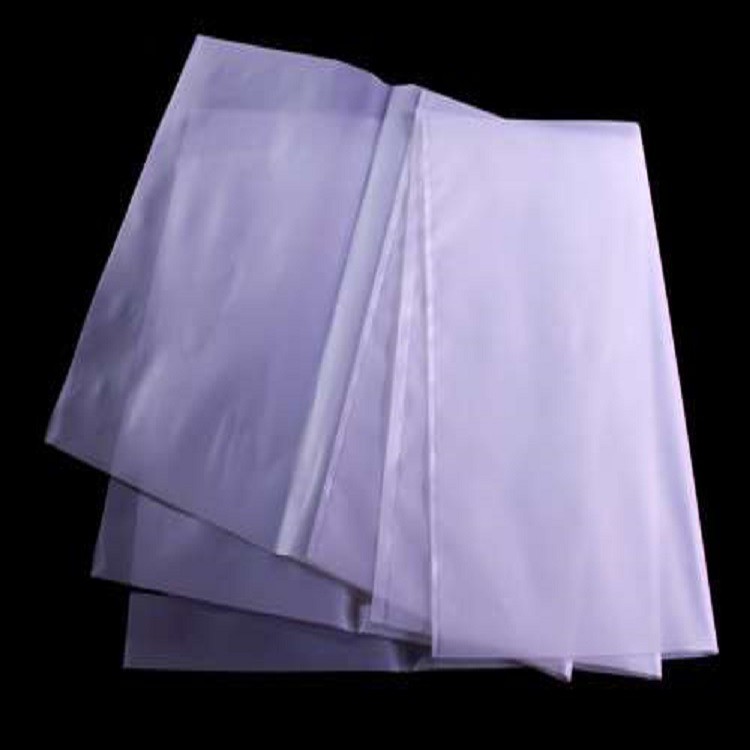
Another option is our PE Pocket. PE, or polyethylene, is a durable and lightweight material that's perfect for creating pockets. Our PE pockets are available in various sizes and thicknesses, so you can choose the one that best suits your requirements. They're great for protecting items from dust, moisture, and other elements.
If you're looking for something more heavy-duty, our High Pressure Bag is the way to go. These bags are designed to withstand high pressure and are ideal for storing items that need extra protection. They're commonly used in industries like manufacturing, construction, and automotive.
If you're interested in any of our products or have questions about importing data into Pocket, don't hesitate to reach out. We're here to help you make the most of your Pocket experience and find the perfect pockets for your business. Whether you're a small startup or a large corporation, we've got the solutions you need.
Let's work together to streamline your data management and find the right pockets for your products. Contact us today to start the conversation!
References
- Pocket official documentation
- Personal experience as a Pocket supplier
That's it for this blog post. I hope you found this information helpful. If you have any more questions or need further assistance, feel free to leave a comment below. Happy importing!