

Can hot melt adhesive film be used for bonding ceramics?
As a supplier of Hot Melt Adhesive Film, I often encounter various inquiries from customers about the application scenarios of our products. One question that frequently comes up is whether hot melt adhesive film can be used for bonding ceramics. In this blog post, I'll delve into this topic, exploring the feasibility, advantages, and considerations when using hot melt adhesive film for ceramic bonding.
Understanding Hot Melt Adhesive Film
Before discussing its application in ceramic bonding, let's first understand what hot melt adhesive film is. Hot melt adhesive film is a thermoplastic adhesive product in the form of a film. It becomes sticky when heated and solidifies upon cooling, creating a strong bond between two materials. There are different types of hot melt adhesive films available in the market, each with its own unique properties and applications. For example, the Hot Melt Adhesive Film for Textile Fanric is specifically designed for textile applications, while the Hot Melt Adhesive Membrane has a wide range of uses due to its excellent bonding performance.
Feasibility of Bonding Ceramics with Hot Melt Adhesive Film
The short answer is yes, hot melt adhesive film can be used for bonding ceramics. Ceramics are known for their hard and smooth surfaces, which can pose challenges when it comes to bonding. However, certain types of hot melt adhesive films have the ability to adhere well to ceramic surfaces. One such type is the Ethylene - Ethyl Acrylate Copolymer hot melt adhesive film. This type of adhesive film has good flexibility and adhesion properties, which can help it form a strong bond with ceramics.
When bonding ceramics with hot melt adhesive film, the key lies in the surface preparation and the bonding process. First, the ceramic surface needs to be clean and free of any dust, grease, or other contaminants. A simple cleaning with a mild detergent and water, followed by thorough drying, can usually achieve the desired cleanliness. After that, the hot melt adhesive film is placed between the two ceramic pieces to be bonded. Heat is then applied, either through a hot press, a heat gun, or other heating methods. As the adhesive film melts, it fills in the microscopic irregularities on the ceramic surface, creating a strong mechanical bond when it cools down.
Advantages of Using Hot Melt Adhesive Film for Ceramic Bonding
There are several advantages to using hot melt adhesive film for ceramic bonding.

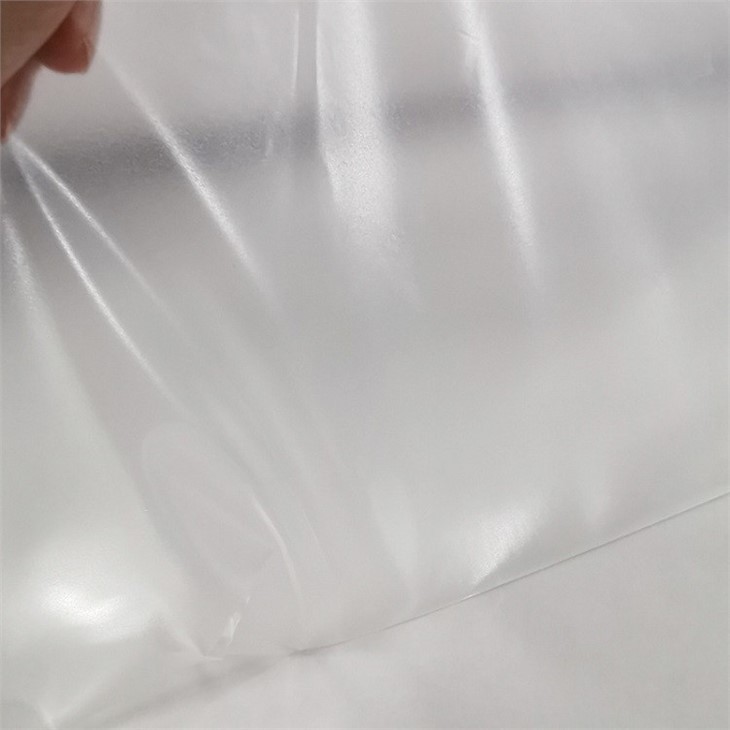
- Easy to Use: Hot melt adhesive film is relatively easy to handle compared to other types of adhesives. It comes in a pre - cut film form, which can be easily placed between the ceramic pieces. The bonding process is also straightforward, usually involving only heating and pressing.
- Fast Bonding: Once heated, the hot melt adhesive film can quickly form a bond. This means that the bonding process can be completed in a relatively short time, increasing production efficiency.
- Clean Bonding: Unlike some liquid adhesives that may drip or spread unevenly, hot melt adhesive film provides a clean and precise bond. There is no need for additional cleaning or finishing to remove excess adhesive, which can save time and materials.
- Good Chemical Resistance: Many hot melt adhesive films have good chemical resistance, which means that the bonded ceramic pieces can withstand exposure to various chemicals without the bond deteriorating. This is particularly important in applications where the ceramics may come into contact with chemicals, such as in some industrial or laboratory settings.
Considerations when Using Hot Melt Adhesive Film for Ceramic Bonding
While hot melt adhesive film offers many advantages for ceramic bonding, there are also some considerations to keep in mind.
- Temperature Resistance: Ceramics are often used in applications where they may be exposed to high temperatures. Therefore, it is important to choose a hot melt adhesive film with sufficient temperature resistance. If the adhesive film cannot withstand the operating temperature, the bond may weaken or fail over time.
- Bond Strength Requirements: Different applications may have different bond strength requirements. For example, in structural applications, a very high bond strength may be needed. In such cases, it is necessary to test the bond strength of the hot melt adhesive film under the specific conditions of the application to ensure that it meets the requirements.
- Compatibility: Not all hot melt adhesive films are suitable for bonding ceramics. It is essential to choose an adhesive film that is specifically formulated for ceramic bonding or has been tested and proven to work well with ceramics.
Applications of Hot Melt Adhesive Film in Ceramic Bonding
Hot melt adhesive film has a wide range of applications in ceramic bonding.
- Ceramic Art and Crafts: In the field of ceramic art and crafts, hot melt adhesive film can be used to bond small ceramic pieces together to create intricate designs. For example, it can be used to attach decorative ceramic elements to a larger ceramic base.
- Ceramic Electronics: In the electronics industry, ceramics are often used as substrates or components. Hot melt adhesive film can be used to bond ceramic components together, providing a reliable and clean bonding solution.
- Ceramic Tableware Repairs: For minor damages to ceramic tableware, such as chipped pieces, hot melt adhesive film can be used to repair the bond. This can extend the lifespan of the tableware and reduce waste.
Conclusion
In conclusion, hot melt adhesive film can indeed be used for bonding ceramics. With its ease of use, fast bonding, and other advantages, it offers a viable solution for various ceramic bonding applications. However, it is important to carefully consider factors such as temperature resistance, bond strength requirements, and compatibility when choosing the appropriate hot melt adhesive film.
If you are interested in using hot melt adhesive film for your ceramic bonding needs, we, as a professional Hot Melt Adhesive Film supplier, are here to assist you. We can provide you with high - quality products and professional advice on the bonding process. Feel free to contact us to discuss your specific requirements and start a procurement negotiation.
References
- "Adhesives Technology Handbook", edited by A. Pizzi and K. L. Mittal.
- "Ceramics: Structure, Properties, Processing, and Applications" by W. D. Kingery, H. K. Bowen, and D. R. Uhlmann.
- Technical literature from hot melt adhesive film manufacturers.