

Functional films have become increasingly popular in various industries due to their ability to provide a wide range of benefits, including noise blocking. As a leading supplier of functional films, I am often asked about how these films work to block noise. In this blog post, I will delve into the science behind how functional films can effectively reduce noise transmission, explore the different types of functional films that are commonly used for noise blocking, and discuss the applications and advantages of using these films in various settings.
The Science of Noise Blocking
Before we discuss how functional films block noise, it is important to understand the basic principles of noise transmission. Noise is essentially a form of energy that travels through the air in the form of sound waves. When these sound waves encounter an object, such as a wall or a window, they can be reflected, absorbed, or transmitted through the object. The amount of noise that is transmitted through an object depends on several factors, including the material of the object, its thickness, and its density.
Functional films work to block noise by interrupting the transmission of sound waves. They do this through a combination of absorption and reflection. When sound waves hit a functional film, some of the energy is absorbed by the film, while the rest is reflected back. The absorption of sound energy is achieved through the use of special materials that are designed to convert sound energy into heat energy. These materials typically have a high level of internal friction, which causes the sound waves to lose energy as they pass through the film.
The reflection of sound waves is also an important mechanism for noise blocking. Functional films are often designed with a layered structure that includes materials with different acoustic properties. This allows the film to reflect sound waves at different frequencies, effectively reducing the overall noise transmission. By combining absorption and reflection, functional films can significantly reduce the amount of noise that passes through a surface.
Types of Functional Films for Noise Blocking
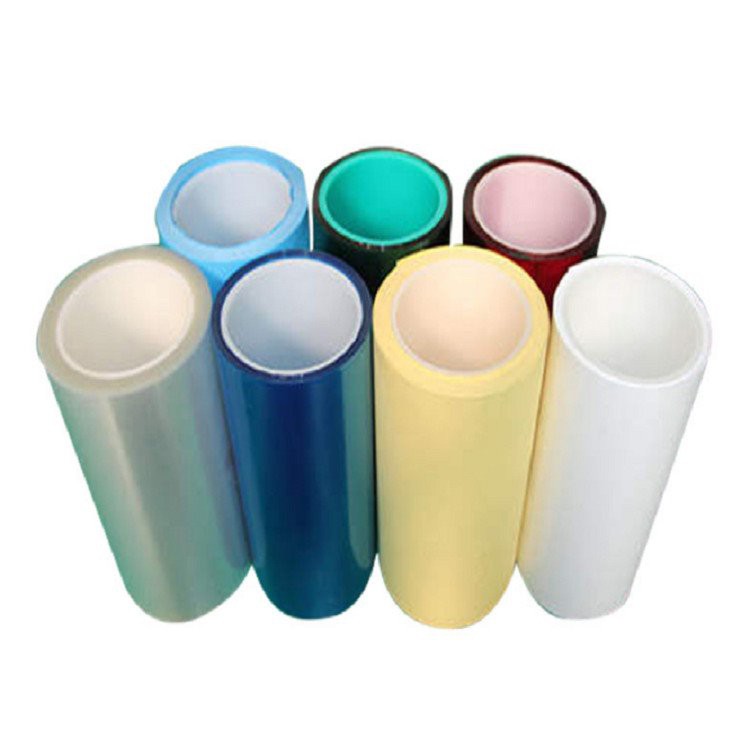
There are several types of functional films that are commonly used for noise blocking. Each type of film has its own unique properties and advantages, making them suitable for different applications.
Rust Resistant Film
Rust resistant films are not only designed to protect surfaces from rust and corrosion but can also provide some level of noise blocking. These films are typically made from a combination of polymers and additives that create a barrier against moisture and oxygen, which are the main causes of rust. The dense structure of these films can also help to absorb and reflect sound waves, reducing noise transmission. For more information about rust resistant films, you can visit our Rust Resistant Film page.
Release Film
Release films are often used in the manufacturing process to prevent materials from sticking to each other. These films can also be used for noise blocking applications. Release films are typically made from a smooth, low-friction material that can reflect sound waves. They can be applied to surfaces such as walls, floors, and ceilings to reduce noise transmission. To learn more about release films, check out our Release Film page.
Anti Ageing Film
Anti ageing films are designed to protect surfaces from the effects of ageing, such as UV radiation, oxidation, and environmental pollutants. These films can also have noise blocking properties. The protective layer of an anti ageing film can help to absorb and reflect sound waves, reducing noise levels. For more details on anti ageing films, visit our Anti Ageing Film page.
Applications of Functional Films for Noise Blocking
Functional films for noise blocking can be used in a wide range of applications, including:
Residential Buildings
In residential buildings, functional films can be applied to windows and doors to reduce noise from the outside. This can be particularly beneficial for homes located near busy roads, airports, or industrial areas. By reducing noise transmission, functional films can create a more peaceful and comfortable living environment.
Commercial Buildings
Commercial buildings, such as offices, hotels, and hospitals, can also benefit from the use of functional films for noise blocking. In offices, these films can be used to reduce noise from adjacent workspaces, improving productivity and concentration. In hotels and hospitals, functional films can help to create a quiet and relaxing environment for guests and patients.
Automotive Industry
In the automotive industry, functional films can be used to reduce noise inside the vehicle. These films can be applied to the interior panels, windows, and doors to absorb and reflect sound waves, reducing road noise and engine noise. This can improve the overall driving experience and make the vehicle more comfortable.
Advantages of Using Functional Films for Noise Blocking
There are several advantages to using functional films for noise blocking, including:
Cost-Effective
Functional films are generally more cost-effective than traditional noise blocking materials, such as acoustic panels and insulation. They are also easier to install, which can save on labor costs.
Easy to Install
Functional films can be easily applied to a variety of surfaces using adhesive or other mounting methods. This makes them a convenient and practical solution for noise blocking.
Customizable
Functional films can be customized to meet the specific needs of different applications. They can be designed with different thicknesses, colors, and acoustic properties to provide the optimal level of noise blocking.
Aesthetically Pleasing
Functional films are available in a variety of colors and finishes, which can enhance the appearance of the surface they are applied to. This makes them a more attractive option than some traditional noise blocking materials.
Contact Us for Purchasing and Consultation
If you are interested in using functional films for noise blocking in your project, we would be happy to assist you. As a leading supplier of functional films, we offer a wide range of products that are designed to meet the highest standards of quality and performance. Our team of experts can provide you with detailed information about our products, help you select the right film for your application, and offer technical support throughout the installation process.
Whether you are a homeowner, a commercial building owner, or an automotive manufacturer, we have the solutions you need to reduce noise and create a more comfortable environment. Contact us today to discuss your requirements and start the purchasing process.
References
- Beranek, L. L. (1971). Noise and vibration control. McGraw-Hill.
- Craik, R. J. (2004). The science of hearing. Cambridge University Press.
- Kinsler, L. E., Frey, A. R., Coppens, A. B., & Sanders, J. V. (2000). Fundamentals of acoustics. Wiley.