

Functional films have emerged as a revolutionary technology in the field of flexible electronic devices, offering a wide range of benefits and enabling new possibilities for innovation. As a leading supplier of functional films, I am excited to share insights into how these films are transforming the landscape of flexible electronics.
Understanding Functional Films
Functional films are thin layers of material engineered to possess specific properties that enhance the performance of devices. These films can be tailored to exhibit various functionalities, such as conductivity, flexibility, transparency, and resistance to environmental factors. In the context of flexible electronic devices, functional films play a crucial role in enabling the development of lightweight, bendable, and stretchable electronics.
One of the key advantages of functional films is their ability to provide multiple functions in a single layer. For example, a film can be designed to be both conductive and flexible, allowing it to serve as a circuit board in a flexible display. This integration of functions not only simplifies the manufacturing process but also reduces the overall size and weight of the device.
Enabling Flexibility in Electronic Devices
Flexible electronic devices have gained significant attention in recent years due to their potential applications in wearable technology, foldable displays, and flexible sensors. Functional films are essential for achieving the flexibility required in these devices.

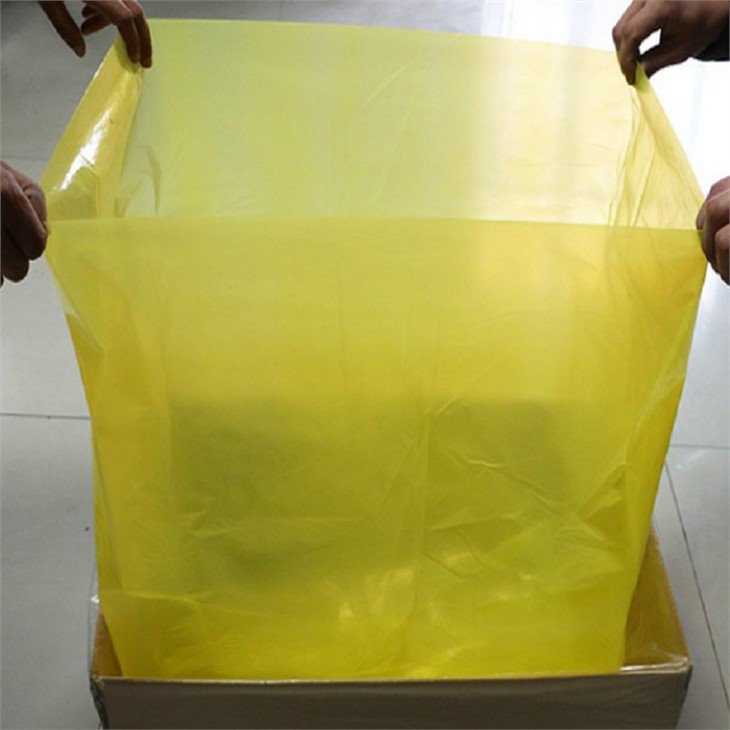
Bendable and Stretchable Substrates
Functional films can be used as substrates for flexible electronic devices, providing a stable and flexible platform for the integration of other components. These substrates are typically made of polymers or organic materials that can withstand bending and stretching without losing their electrical properties. For instance, polyimide films are commonly used as substrates in flexible printed circuit boards (PCBs) due to their high thermal stability, chemical resistance, and excellent mechanical properties.
Conductive Pathways
In flexible electronic devices, functional films are used to create conductive pathways for the flow of electricity. These films can be made of conductive polymers, carbon nanotubes, or metal nanowires, which offer high conductivity and flexibility. By patterning these conductive films on flexible substrates, it is possible to create complex circuits that can bend and stretch without breaking.
Encapsulation and Protection
Functional films also play a crucial role in protecting flexible electronic devices from environmental factors such as moisture, oxygen, and mechanical damage. Encapsulation films can be applied to the surface of the device to prevent the ingress of moisture and oxygen, which can degrade the performance of the electronic components. Additionally, these films can provide mechanical support and protection against scratches and abrasions.
Applications of Functional Films in Flexible Electronics
The unique properties of functional films make them suitable for a wide range of applications in flexible electronics. Some of the key applications include:
Flexible Displays
Functional films are essential for the development of flexible displays, such as organic light-emitting diode (OLED) displays and electronic paper displays. These films are used as substrates, electrodes, and encapsulation layers, enabling the production of lightweight, thin, and bendable displays. For example, transparent conductive films made of indium tin oxide (ITO) or carbon nanotubes are used as electrodes in OLED displays, while barrier films are used to protect the organic materials from moisture and oxygen.
Wearable Technology
Wearable devices, such as smartwatches, fitness trackers, and medical sensors, require flexible and lightweight components that can conform to the human body. Functional films are used in these devices to create flexible sensors, conductive traces, and power sources. For instance, stretchable conductive films can be used to create flexible electrodes for monitoring physiological signals, while thin-film batteries can be used to power the device.
Flexible Sensors
Functional films can be used to create a variety of flexible sensors, including pressure sensors, temperature sensors, and chemical sensors. These sensors can be integrated into flexible substrates to create wearable or implantable devices for healthcare, environmental monitoring, and industrial applications. For example, a flexible pressure sensor can be made by depositing a conductive polymer film on a flexible substrate and measuring the change in resistance when pressure is applied.
Our Functional Film Offerings
As a supplier of functional films, we offer a wide range of products that are specifically designed for use in flexible electronic devices. Our product portfolio includes:
- Rust Resistant Film: This film provides excellent protection against rust and corrosion, making it suitable for use in harsh environments. It can be applied to the surface of metal components in flexible electronic devices to prevent oxidation and extend their lifespan.
- Mucous Membrane: Our mucous membrane film is designed to mimic the properties of natural mucous membranes, providing a soft and flexible surface that is compatible with biological tissues. This film can be used in medical applications, such as wearable sensors and implantable devices, to improve the comfort and biocompatibility of the device.
- Flame Retardant Coating: This coating provides excellent flame retardancy, making it suitable for use in electronic devices that require high levels of safety. It can be applied to the surface of flexible substrates or components to prevent the spread of fire and reduce the risk of electrical hazards.
Contact Us for Procurement and Collaboration
If you are interested in incorporating functional films into your flexible electronic devices, we would be delighted to discuss your requirements and provide you with customized solutions. Our team of experts has extensive experience in the field of functional films and can help you select the right products for your application.
Whether you are a manufacturer of flexible displays, wearable technology, or flexible sensors, we can provide you with high-quality functional films that meet your specific needs. We offer competitive pricing, fast delivery, and excellent customer service to ensure your satisfaction.
To learn more about our functional film products and services, please contact us today. We look forward to working with you to bring your innovative ideas to life.
References
- [1] Rogers, J. A., Someya, T., & Huang, Y. (2010). Materials and mechanics for stretchable electronics. Science, 327(5973), 1603-1607.
- [2] Kim, D.-H., Rogers, J. A., & Huang, Y. (2011). Materials and mechanics for multifunctional, skin-like electronics. Advanced Materials, 23(18), 2131-2157.
- [3] Bao, Z., & Locklin, J. (2019). Functional polymers for flexible and stretchable electronics. Chemical Reviews, 119(13), 7940-7994.