

As a supplier of Rust Resistant Film, we are often asked about its performance in various environments. One question that frequently comes up is how our Rust Resistant Film performs in low-temperature environments. In this blog, we will explore the characteristics and performance of Rust Resistant Film under low temperatures, sharing in-depth insights from our professional experience.
Understanding the Basics of Rust Resistant Film
Rust Resistant Film is a specialized protective material designed to safeguard metal surfaces from corrosion. It works by creating a physical barrier that prevents moisture, oxygen, and other corrosive agents from coming into direct contact with the metal. This film contains anti-corrosion additives that can further enhance its protective capabilities, significantly extending the service life of metal products. You can learn more about our Rust Resistant Film on our website.
Challenges of Low-Temperature Environments
Low-temperature environments pose unique challenges for materials. At cold temperatures, the mechanical properties of materials can change, and the rate of chemical reactions may slow down. For Rust Resistant Film, these conditions can affect its adhesion to the metal surface, its flexibility, and the effectiveness of the anti-corrosion additives.
Adhesion in Low-Temperature Environments
One of the critical factors in the performance of Rust Resistant Film is its adhesion to the metal substrate. In low-temperature environments, the film may contract, which could potentially lead to reduced adhesion strength. However, our Rust Resistant Film is formulated with special polymers that have excellent low-temperature flexibility. These polymers maintain their elasticity even at very low temperatures, ensuring that the film remains firmly attached to the metal surface.
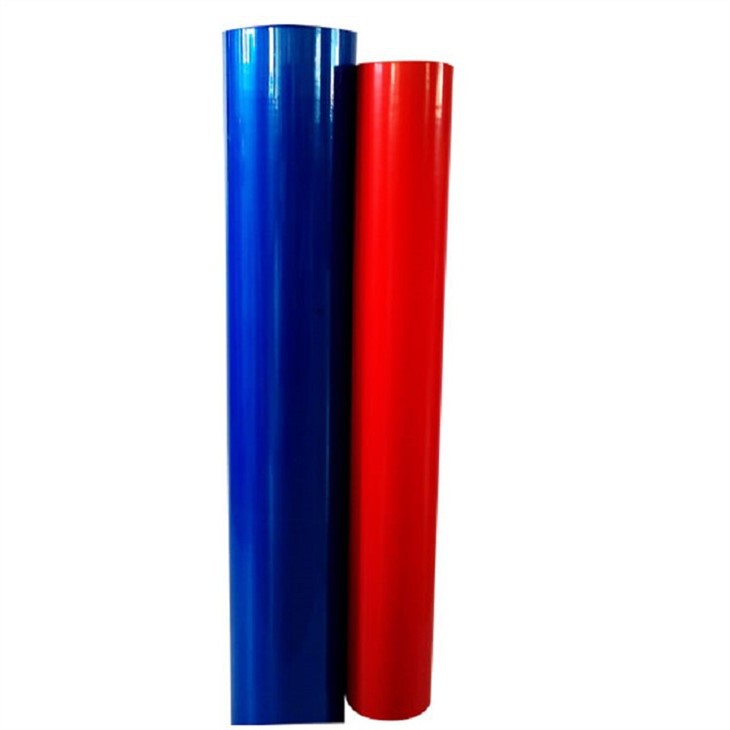
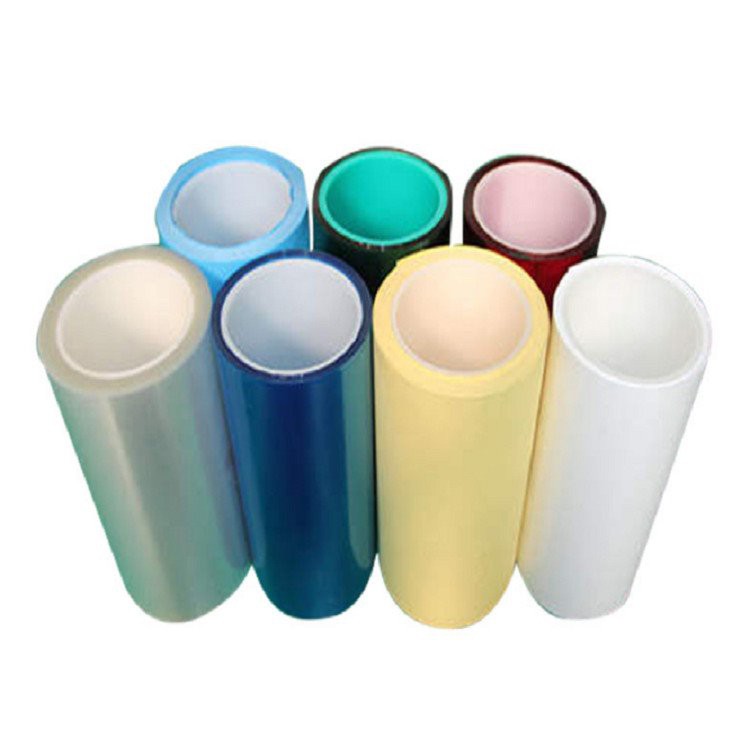
We have conducted a series of tests in temperature-controlled chambers to simulate low-temperature conditions. The results showed that our Rust Resistant Film maintained its adhesion after being exposed to temperatures as low as -20°C. This stability in adhesion is crucial because any delamination of the film can expose the metal to corrosive agents, leading to rust formation.
Flexibility and Brittleness
Another aspect affected by low temperatures is the flexibility of the film. If a film becomes too brittle at low temperatures, it can crack or break when the metal substrate undergoes minor deformation, such as expansion and contraction due to temperature changes. Our Rust Resistant Film has a high glass transition temperature, which means it remains flexible at low temperatures. This flexibility allows the film to withstand the mechanical stresses without cracking, providing continuous protection to the metal.
Effectiveness of Anti-Corrosion Additives
The anti-corrosion additives in the Rust Resistant Film play a vital role in preventing rust. In low-temperature environments, the chemical reactions of these additives may slow down. However, our research and development team has optimized the formulation of these additives to ensure they remain active even at low temperatures. The additives are designed to form a stable protective layer on the metal surface, which can effectively inhibit the electrochemical reactions that cause corrosion.
Comparative Performance
To demonstrate the superiority of our Rust Resistant Film in low-temperature environments, we compared it with other similar products on the market. We tested the samples under the same low-temperature conditions for an extended period. The results were clear: our Rust Resistant Film provided better anti-corrosion protection, with less rust formation on the metal samples compared to the competitors' products.
Applications in Low-Temperature Environments
Our Rust Resistant Film has a wide range of applications in low-temperature environments. It is commonly used in the automotive industry to protect car parts that are exposed to cold weather, such as engine components and chassis parts. In the shipping industry, it is used to protect the metal structures of ships in cold ocean regions. Additionally, it is also suitable for use in cold storage facilities to protect metal storage racks and equipment.
Compatibility with Other Materials
In some applications, the Rust Resistant Film may need to be used in combination with other materials, such as Release Film. Our Rust Resistant Film has excellent compatibility with various types of Release Film. Whether used in laminated structures or during the manufacturing process where Release Film is needed for easy separation, our products work together seamlessly. You can find more information about Release Film on our website.
Maintenance and Long-Term Performance
In low-temperature environments, proper maintenance can further enhance the performance of the Rust Resistant Film. Although our film is durable, it is recommended to periodically inspect the film for any signs of damage or delamination. If any issues are found, they should be addressed promptly to ensure continuous protection.
Over the long term, our Rust Resistant Film has proven to be reliable in low-temperature environments. Many of our customers have reported that the film has maintained its anti-corrosion properties for several years, even under harsh cold conditions.
Conclusion
In conclusion, our Rust Resistant Film performs exceptionally well in low-temperature environments. Its superior adhesion, flexibility, and the effectiveness of anti-corrosion additives ensure that it provides reliable protection to metal surfaces even at very low temperatures. Whether you are in the automotive, shipping, or cold storage industry, our Rust Resistant Film can meet your needs for anti-corrosion protection.
If you are interested in learning more about our Rust Resistant Film or have any questions regarding its use in low-temperature environments, we invite you to contact us for procurement discussions. We are committed to providing high-quality products and excellent customer service.
References
- ASTM International standards on anti-corrosion testing in low-temperature environments.
- Internal research reports from our company on the performance of Rust Resistant Film.