

The melting speed of Hot Melt Adhesive Membrane is a critical factor that significantly influences production efficiency across various industries. As a supplier of Hot Melt Adhesive Membrane, I have witnessed firsthand how the melting characteristics of this product can either streamline or impede the manufacturing process. In this blog post, I will delve into the relationship between the melting speed of Hot Melt Adhesive Membrane and production efficiency, exploring the various factors at play and offering insights on how to optimize this crucial aspect of your manufacturing operations.
Understanding Hot Melt Adhesive Membrane
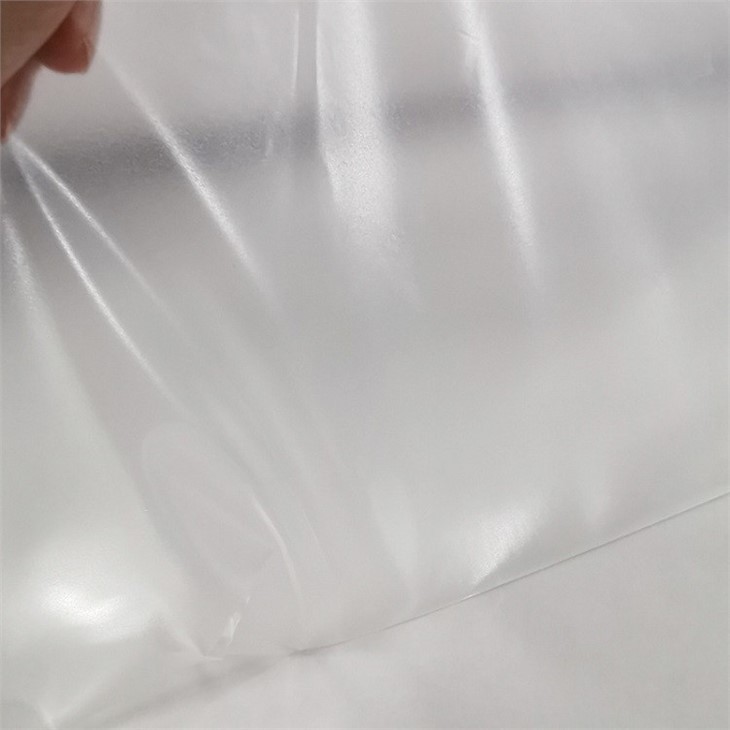
Hot Melt Adhesive Membrane is a thermoplastic material that is solid at room temperature but becomes fluid when heated. It is commonly used in a wide range of applications, including textiles, packaging, automotive, and electronics, due to its strong bonding properties, fast setting time, and ease of use. The membrane is typically applied by heating it to its melting point and then pressing it onto the substrates to be bonded. Once cooled, the adhesive solidifies, creating a strong and durable bond.
The Role of Melting Speed in Production Efficiency
The melting speed of Hot Melt Adhesive Membrane plays a pivotal role in determining the overall production efficiency. A faster melting speed allows for quicker bonding, reducing the time required for each production cycle. This can lead to increased throughput, lower labor costs, and higher productivity. On the other hand, a slow melting speed can result in longer processing times, bottlenecks in the production line, and decreased efficiency.
1. Cycle Time Reduction
One of the most significant benefits of a fast-melting Hot Melt Adhesive Membrane is the reduction in cycle time. In high-volume manufacturing environments, every second counts. By using an adhesive that melts quickly, manufacturers can complete each bonding operation in less time, allowing them to produce more units in a given period. This is particularly important in industries with tight production schedules and high demand, such as the textile and packaging industries.
2. Energy Efficiency
Fast-melting Hot Melt Adhesive Membranes also contribute to energy efficiency. Since they require less time to reach their melting point, less energy is consumed during the heating process. This not only reduces energy costs but also has a positive environmental impact. In addition, shorter heating times can help to extend the lifespan of the heating equipment, reducing maintenance and replacement costs.
3. Improved Process Control
A consistent and predictable melting speed is essential for maintaining process control in manufacturing. When the melting speed of the adhesive is too slow or inconsistent, it can be difficult to achieve a uniform bond. This can result in defective products, rework, and increased waste. By using a Hot Melt Adhesive Membrane with a fast and consistent melting speed, manufacturers can ensure that each bond is of high quality, reducing the risk of product failures and improving overall process efficiency.
Factors Affecting the Melting Speed of Hot Melt Adhesive Membrane
Several factors can influence the melting speed of Hot Melt Adhesive Membrane, including the type of polymer, the thickness of the membrane, the heating method, and the temperature.
1. Polymer Type
The type of polymer used in the Hot Melt Adhesive Membrane has a significant impact on its melting speed. Different polymers have different melting points and thermal properties, which can affect how quickly they melt when heated. For example, Ethylene-Ethyl Acrylate Copolymer (EEA) is a commonly used polymer in Hot Melt Adhesive Membranes due to its low melting point and excellent bonding properties. EEA-based adhesives typically melt faster than other types of polymers, making them ideal for applications where fast bonding is required.
2. Membrane Thickness
The thickness of the Hot Melt Adhesive Membrane also plays a role in its melting speed. Thicker membranes require more time and energy to reach their melting point compared to thinner membranes. Therefore, using a thinner membrane can help to reduce the melting time and improve production efficiency. However, it is important to note that the thickness of the membrane also affects its bonding strength and durability. Therefore, manufacturers need to find the right balance between thickness and melting speed to meet the specific requirements of their application.
3. Heating Method
The heating method used to melt the Hot Melt Adhesive Membrane can also affect its melting speed. There are several heating methods available, including hot air, infrared, and induction heating. Each method has its own advantages and disadvantages, and the choice of heating method depends on factors such as the type of adhesive, the substrate material, and the production volume. For example, hot air heating is a common method for melting Hot Melt Adhesive Membranes due to its simplicity and low cost. However, it can be relatively slow compared to other heating methods. Infrared heating, on the other hand, is a faster and more efficient method that can provide precise control over the heating process.
4. Temperature
The temperature at which the Hot Melt Adhesive Membrane is heated is another important factor that affects its melting speed. Generally, the higher the temperature, the faster the adhesive will melt. However, it is important to note that heating the adhesive to too high a temperature can cause it to degrade, resulting in a loss of bonding strength and other properties. Therefore, it is essential to use the correct temperature range for the specific type of adhesive being used.

Optimizing the Melting Speed for Production Efficiency
To optimize the melting speed of Hot Melt Adhesive Membrane and improve production efficiency, manufacturers can take several steps:
1. Select the Right Adhesive
Choosing the right Hot Melt Adhesive Membrane is crucial for achieving the desired melting speed and bonding performance. Consider factors such as the polymer type, melting point, and bonding strength when selecting an adhesive. For applications where fast bonding is required, choose an adhesive with a low melting point and a fast melting speed, such as an EEA-based adhesive.
2. Control the Thickness
As mentioned earlier, the thickness of the Hot Melt Adhesive Membrane can affect its melting speed. Therefore, it is important to control the thickness of the membrane to ensure consistent melting performance. Use a precise coating or extrusion process to apply the adhesive to the desired thickness.
3. Choose the Appropriate Heating Method
Select the heating method that is most suitable for your application. Consider factors such as the type of adhesive, the substrate material, and the production volume when choosing a heating method. For high-volume production, consider using a faster and more efficient heating method, such as infrared or induction heating.
4. Monitor and Adjust the Temperature
Regularly monitor the temperature of the heating equipment to ensure that it is within the correct range for the specific type of adhesive being used. Adjust the temperature as needed to maintain a consistent melting speed and bonding performance.
Conclusion
The melting speed of Hot Melt Adhesive Membrane is a critical factor that can have a significant impact on production efficiency. By understanding the factors that affect the melting speed and taking steps to optimize it, manufacturers can reduce cycle times, improve energy efficiency, and enhance process control. As a supplier of Hot Melt Adhesive Membrane, I am committed to providing high-quality products and technical support to help our customers achieve their production goals. If you are interested in learning more about our Hot Melt Adhesive Membranes or have any questions about optimizing the melting speed for your application, please feel free to contact us. We look forward to discussing your specific needs and helping you find the best solution for your manufacturing operations.
References
- "Handbook of Adhesives and Sealants" by Andrew Pizzi and K. L. Mittal
- "Adhesives Technology Handbook" by Henry S. Katz and Allan J. Milewski
- "Hot Melt Adhesives: Technology and Applications" by James C. Carl and Robert L. Burford