

The thyroid gland is one of the most crucial endocrine glands in the human body, playing a vital role in regulating metabolism, growth, and development. While much attention has been given to the thyroid follicular cells and their production of thyroid hormones, the mucous membrane within the thyroid gland also has significant functions that are worth exploring. As a supplier of mucous membrane products, I am deeply interested in understanding how this biological structure operates and how it can potentially be harnessed for various applications.
Structure of the Mucous Membrane in the Thyroid Gland
The mucous membrane, also known as the mucosa, is a specialized epithelial tissue that lines various cavities and organs in the body, including the thyroid gland. In the thyroid, the mucous membrane consists of an epithelial layer and an underlying lamina propria. The epithelial cells are closely packed and form a continuous barrier that separates the internal environment of the gland from the external substances.
The epithelial cells of the thyroid mucous membrane can be of different types, such as simple cuboidal or columnar epithelium. These cells are equipped with microvilli on their apical surface, which increase the surface area for absorption and secretion. The lamina propria, on the other hand, is a layer of connective tissue that contains blood vessels, lymphatic vessels, and immune cells. It provides support to the epithelial layer and facilitates the exchange of nutrients and waste products.
Secretory Functions of the Mucous Membrane
One of the primary functions of the mucous membrane in the thyroid gland is secretion. The epithelial cells produce and secrete mucus, a viscous fluid that has several important roles. Mucus acts as a lubricant, protecting the delicate epithelial surface from mechanical damage and friction. It also traps foreign particles, such as bacteria, viruses, and dust, preventing them from entering the gland and causing infections.
In addition to mucus, the mucous membrane may secrete other substances, such as enzymes and immunoglobulins. Enzymes can aid in the digestion and breakdown of substances within the gland, while immunoglobulins play a crucial role in the immune defense of the thyroid. For example, secretory IgA is an important immunoglobulin that is secreted by the mucous membrane. It can bind to pathogens and prevent their attachment to the epithelial cells, thus providing a first line of defense against infections.
Absorptive Functions of the Mucous Membrane
The mucous membrane in the thyroid gland also has absorptive functions. The microvilli on the apical surface of the epithelial cells increase the surface area available for absorption. Nutrients, such as amino acids, glucose, and vitamins, can be absorbed from the interstitial fluid in the lamina propria and transported into the epithelial cells. These nutrients are essential for the normal functioning and metabolism of the thyroid gland.
Moreover, the mucous membrane can absorb certain hormones and regulatory molecules. For instance, it may absorb thyroid - stimulating hormone (TSH) from the bloodstream. TSH is secreted by the pituitary gland and plays a key role in regulating the function of the thyroid gland. By absorbing TSH, the mucous membrane can help in the proper signal transduction and activation of the thyroid follicular cells.
Immune Functions of the Mucous Membrane
The mucous membrane in the thyroid gland is an important part of the immune system. As mentioned earlier, the immunoglobulins secreted by the mucous membrane can provide protection against pathogens. In addition, the lamina propria contains immune cells, such as lymphocytes, macrophages, and dendritic cells. These cells can recognize and respond to foreign antigens that enter the gland.
Lymphocytes, including T - cells and B - cells, play a central role in the adaptive immune response. T - cells can directly attack infected cells, while B - cells can produce antibodies. Macrophages are phagocytic cells that can engulf and destroy pathogens. Dendritic cells are antigen - presenting cells that can activate the immune response by presenting antigens to lymphocytes. The interaction between these immune cells and the mucous membrane helps to maintain the immune homeostasis of the thyroid gland.
Role in Thyroid Hormone Regulation
The mucous membrane may also have a role in the regulation of thyroid hormone production. The secretion and absorption functions of the mucous membrane can influence the availability of nutrients and regulatory factors for the thyroid follicular cells. For example, the absorption of iodine, a key component of thyroid hormones, may be facilitated by the mucous membrane.
Iodine is transported into the thyroid gland through the bloodstream and needs to be taken up by the follicular cells. The mucous membrane may play a role in the initial uptake and transport of iodine from the interstitial fluid to the follicular cells. Additionally, the secretory products of the mucous membrane, such as certain growth factors and cytokines, may affect the growth and function of the follicular cells, thereby influencing thyroid hormone synthesis and secretion.
Potential Applications of Mucous Membrane Products
As a supplier of mucous membrane products, I see great potential in the various functions of the mucous membrane in the thyroid gland. Our products can be used in research to further understand the mechanisms of mucous membrane function in the thyroid. For example, we can provide mucous membrane samples for in - vitro studies to investigate the secretory and absorptive processes.
In the medical field, mucous membrane products may have applications in the treatment of thyroid diseases. For instance, if we can develop ways to enhance the immune function of the mucous membrane, it may help in preventing and treating thyroid infections. Our products can also be used in the development of new drug delivery systems. Since the mucous membrane has absorptive properties, it can be a target for the delivery of drugs to the thyroid gland.
Related Functional Films
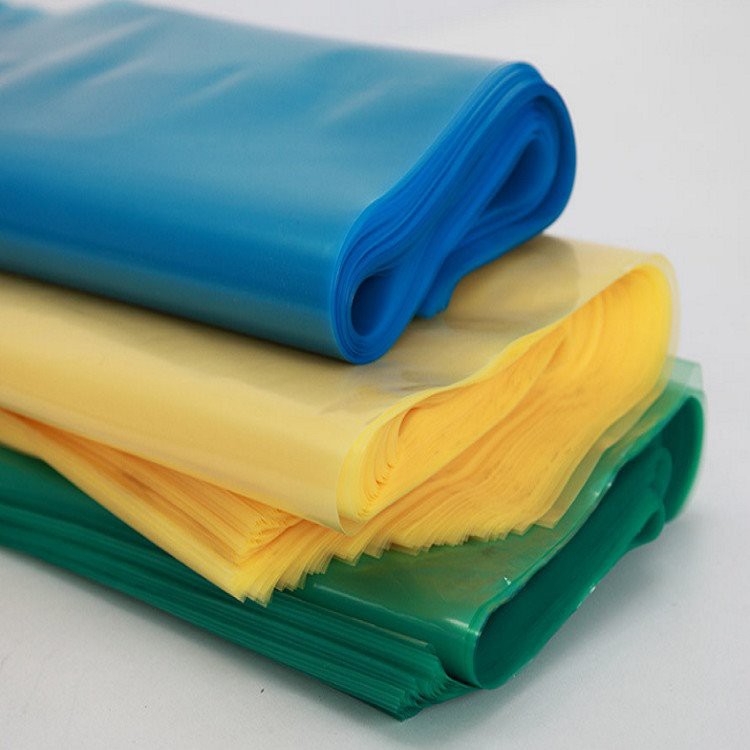
In addition to our mucous membrane products, we also offer a range of functional films that may be relevant to the study and application of the thyroid gland. The Rust Resistant Film can be used in the manufacturing of medical equipment related to thyroid research or treatment, protecting the equipment from corrosion. The Anti Ageing Film may have potential applications in the development of products that aim to maintain the health and function of the thyroid gland as it ages. And the Release Film can be used in the production process of various medical devices and products related to the thyroid.
Conclusion
The mucous membrane in the thyroid gland is a complex and multifunctional structure. Its secretory, absorptive, immune, and regulatory functions are essential for the normal functioning of the thyroid gland. As a supplier of mucous membrane products, I am committed to providing high - quality products that can contribute to the research and development in the field of thyroid biology. If you are interested in our mucous membrane products or the related functional films, please feel free to contact us for more information and to discuss potential procurement opportunities. We look forward to working with you to explore the exciting possibilities in this area.
References
- Guyton, A. C., & Hall, J. E. (2016). Textbook of Medical Physiology. Elsevier.
- Kierszenbaum, A. L., & Tres, L. L. (2012). Histology and Cell Biology: An Introduction to Pathology. Mosby.
- Melmed, S., Polonsky, K. S., Larsen, P. R., & Kronenberg, H. M. (2015). Williams Textbook of Endocrinology. Elsevier.