

As a supplier of Bonded Type Evaporators, I understand the importance of accurately adjusting the flow rate in these systems. The flow rate plays a crucial role in the overall performance and efficiency of the evaporator, directly affecting factors such as cooling capacity, energy consumption, and product lifespan. In this blog post, I will share some insights on how to adjust the flow rate in a Bonded Type Evaporator, drawing on my experience in the industry.
Understanding the Basics of Flow Rate in a Bonded Type Evaporator
Before delving into the adjustment methods, it's essential to understand what flow rate means in the context of a Bonded Type Evaporator. The flow rate refers to the volume of the refrigerant or working fluid that passes through the evaporator per unit of time. It is typically measured in liters per minute (LPM) or cubic meters per hour (m³/h).
The flow rate in a Bonded Type Evaporator needs to be carefully controlled to ensure optimal heat transfer. If the flow rate is too low, the refrigerant may not be able to absorb enough heat from the surrounding environment, leading to reduced cooling efficiency. On the other hand, if the flow rate is too high, it can cause excessive pressure drop, increased energy consumption, and potential damage to the evaporator components.
Factors Affecting the Flow Rate
Several factors can influence the flow rate in a Bonded Type Evaporator. Understanding these factors is the first step in making accurate adjustments.
- Refrigerant Properties: Different refrigerants have different physical properties, such as density, viscosity, and specific heat. These properties can affect the flow characteristics of the refrigerant through the evaporator. For example, a refrigerant with a higher viscosity will require more energy to flow, which may result in a lower flow rate if the system is not properly designed.
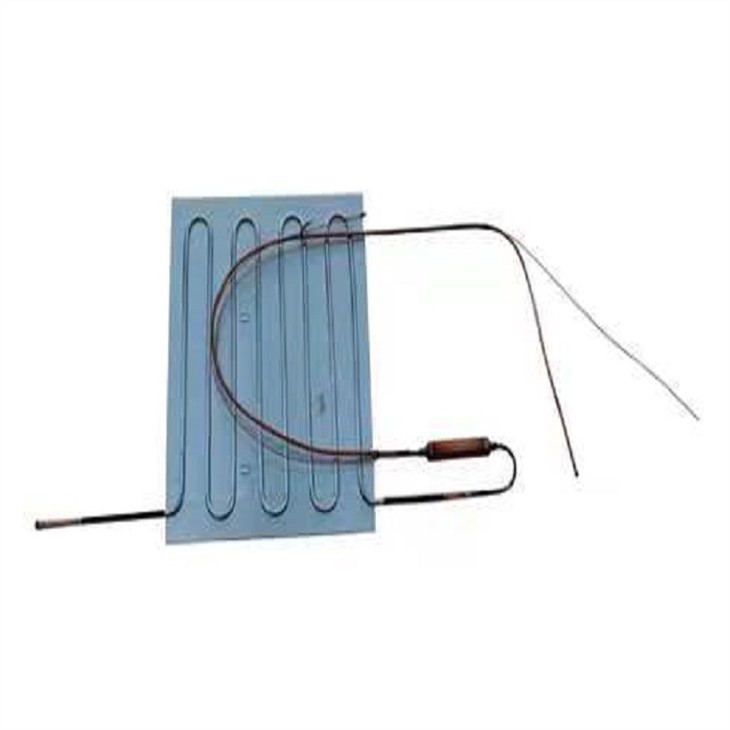
- Evaporator Design: The design of the Bonded Type Evaporator, including the size and shape of the channels, the number of passes, and the surface area, can significantly impact the flow rate. A well - designed evaporator will have optimized flow paths to ensure uniform flow distribution and efficient heat transfer.
- System Pressure: The pressure difference across the evaporator is a major driver of the flow rate. The compressor in the refrigeration system creates a pressure differential that forces the refrigerant to flow through the evaporator. Changes in system pressure can occur due to various reasons, such as compressor malfunction, blockages in the refrigerant lines, or changes in the ambient temperature.
- Thermal Load: The amount of heat that needs to be removed from the environment, known as the thermal load, also affects the flow rate. A higher thermal load requires a greater flow rate of refrigerant to absorb the additional heat. If the flow rate is not adjusted accordingly, the evaporator may not be able to meet the cooling demand.
Methods for Adjusting the Flow Rate
There are several ways to adjust the flow rate in a Bonded Type Evaporator. The choice of method depends on the specific characteristics of the system and the level of control required.

1. Expansion Valve Adjustment
The expansion valve is a key component in the refrigeration system that controls the flow of refrigerant into the evaporator. It reduces the pressure of the refrigerant coming from the condenser, allowing it to expand and absorb heat in the evaporator.
- Thermal Expansion Valves (TXV): These valves use a sensing bulb to detect the temperature of the refrigerant at the outlet of the evaporator. Based on this temperature, the valve adjusts the flow rate of the refrigerant. To adjust the flow rate using a TXV, you can make small adjustments to the superheat setting. Increasing the superheat setting will decrease the flow rate, while decreasing the superheat setting will increase the flow rate.
- Electronic Expansion Valves (EEV): EEVs offer more precise control compared to TXVs. They are controlled by an electronic controller that can adjust the valve opening based on various parameters, such as evaporator temperature, pressure, and thermal load. By programming the controller, you can optimize the flow rate for different operating conditions.
2. Compressor Speed Control
The compressor is responsible for creating the pressure difference that drives the refrigerant flow. By controlling the speed of the compressor, you can adjust the flow rate of the refrigerant through the evaporator.
- Variable - Speed Compressors: These compressors can operate at different speeds, allowing for more precise control of the refrigerant flow. In systems with a variable - speed compressor, you can adjust the compressor speed based on the thermal load and the desired flow rate. For example, when the cooling demand is low, the compressor can run at a lower speed, reducing the flow rate and saving energy.
3. Bypass Valve Installation
A bypass valve can be installed in the refrigerant circuit to divert a portion of the refrigerant flow around the evaporator. This is useful in situations where you need to reduce the flow rate through the evaporator without affecting the overall operation of the refrigeration system.
- Manual Bypass Valves: These valves are adjusted manually by turning a handle or a knob. By opening or closing the valve, you can control the amount of refrigerant that bypasses the evaporator, thereby adjusting the flow rate through it.
- Automatic Bypass Valves: These valves are controlled by a sensor or a controller based on certain parameters, such as evaporator pressure or temperature. They can provide more accurate and consistent flow rate adjustment compared to manual bypass valves.
Monitoring and Troubleshooting
Once you have adjusted the flow rate in the Bonded Type Evaporator, it's important to monitor the system performance to ensure that the adjustment is effective. Here are some parameters to monitor:
- Evaporator Temperature: The temperature at the evaporator inlet and outlet can provide valuable information about the heat transfer efficiency. A significant difference between the inlet and outlet temperatures indicates that the evaporator is working effectively.
- System Pressure: Monitoring the pressure at different points in the refrigeration system, such as the condenser pressure and the evaporator pressure, can help you detect any abnormalities in the flow rate. A sudden change in pressure may indicate a blockage or a malfunction in the system.
- Cooling Capacity: Measuring the cooling capacity of the system can tell you whether the adjusted flow rate is sufficient to meet the cooling demand. If the cooling capacity is lower than expected, you may need to make further adjustments to the flow rate.
If you encounter any issues during the monitoring process, such as abnormal temperature or pressure readings, it's important to troubleshoot the problem promptly. Some common problems and their solutions include:
- Blockages: Check the refrigerant lines, filters, and the evaporator channels for any blockages. If a blockage is found, clean or replace the affected components.
- Malfunctioning Valves: Test the expansion valve, bypass valve, and other control valves to ensure that they are functioning properly. Replace any valves that are not working correctly.
- Compressor Issues: If the compressor is not operating at the correct speed or is producing insufficient pressure, it may need to be serviced or replaced.
Conclusion
Adjusting the flow rate in a Bonded Type Evaporator is a critical task that requires careful consideration of various factors. By understanding the principles of flow rate control, using the appropriate adjustment methods, and monitoring the system performance, you can ensure that your evaporator operates at optimal efficiency.
If you are in the market for a high - quality Bonded Type Evaporator or need more information on how to adjust the flow rate in your existing system, we are here to help. Our team of experts has extensive experience in the field and can provide you with customized solutions to meet your specific needs. Whether you are looking for a Refrigerator Evaporator for a commercial application or a residential cooling system, we have the products and knowledge to support you. Contact us today to discuss your requirements and start a procurement negotiation.
References
- ASHRAE Handbook - Refrigeration. American Society of Heating, Refrigerating and Air - Conditioning Engineers.
- Refrigeration and Air - Conditioning Technology. William C. Whitman, William M. Johnson, John A. Tomczyk, Eugene Silberstein.