

Picking the right electric conductive film for a specific use can be a bit of a head - scratcher. But don't worry! As an electric conductive film supplier, I've got some insights that can make this process a whole lot easier.
First off, let's talk about what electric conductive films are. These are thin layers of material that can conduct electricity. They're used in all sorts of applications, from touchscreens and flexible electronics to electromagnetic shielding. But with so many options out there, how do you know which one is the best fit for your project?
1. Consider the Electrical Properties
The most obvious thing to look at is the film's electrical conductivity. This is usually measured in terms of surface resistance, which is expressed in ohms per square (Ω/sq). The lower the surface resistance, the better the conductivity.
For applications where high - speed data transfer is crucial, like in some advanced touchscreens, you'll need a film with very low surface resistance. On the other hand, if your application doesn't require super - high conductivity, you can go for a film with a slightly higher surface resistance. This can often be more cost - effective.
Another important electrical property is the film's stability over time. You don't want a film that loses its conductivity after a short period. Some films are more resistant to environmental factors like humidity and temperature changes, which can affect their electrical performance. Make sure to choose a film that can maintain its conductivity under the specific conditions of your application.
2. Evaluate the Mechanical Properties
Mechanical properties are just as important as electrical ones. You need to think about how the film will hold up under the stresses of your application.
Flexibility is a big deal, especially for applications in flexible electronics. If your product needs to bend or flex, you'll want a conductive film that can withstand repeated bending without cracking or losing its conductivity. Some films are specifically designed to be highly flexible, and they can be a great choice for things like wearable devices.
Adhesion is also crucial. The film needs to stick well to the substrate it's being applied to. Poor adhesion can lead to the film peeling off, which is a major problem. When choosing a film, consider the type of substrate you'll be using and make sure the film is compatible in terms of adhesion.
3. Look at the Chemical Compatibility
Your conductive film may come into contact with various chemicals in your application. For example, in some industrial settings, the film might be exposed to solvents or cleaning agents. It's essential to choose a film that is chemically compatible with these substances.
If the film reacts with the chemicals it encounters, it can degrade, lose its conductivity, or even cause other problems in your system. Before making a decision, check the chemical resistance specifications of the film and compare them to the chemicals present in your application.
4. Think about the Optical Properties
In applications where visibility is important, like in touchscreens or displays, the optical properties of the conductive film are key. You want a film that is transparent or has the right level of transparency for your needs.
Some conductive films have high transparency, which is great for clear displays. Others may have a slight tint or reduced transparency, which can be acceptable depending on the application. Additionally, you need to consider the film's haze, which is a measure of how much light is scattered as it passes through the film. Low haze is generally preferred for clear and sharp visual displays.
5. Cost and Availability
Let's face it, cost is always a factor. You need to find a conductive film that fits within your budget. But don't just go for the cheapest option without considering the quality. Sometimes, a slightly more expensive film can offer better performance and durability, which can save you money in the long run.
Availability is also important. You don't want to be in a situation where you've chosen a film, but it's out of stock or has a long lead time. As a supplier, I can tell you that it's a good idea to work with a reliable supplier who can provide the film you need when you need it.
Related Products to Consider
There are some related products that you might also find useful in your application. For example, Release Film can be used in the manufacturing process of conductive films or other electronic components. It helps in the easy separation of different layers, which can improve the overall quality of the product.
Rust Resistant Film can be a great addition if your conductive film is used in an environment where rust and corrosion are a concern. It can protect the film and the underlying components from damage caused by moisture and oxidation.

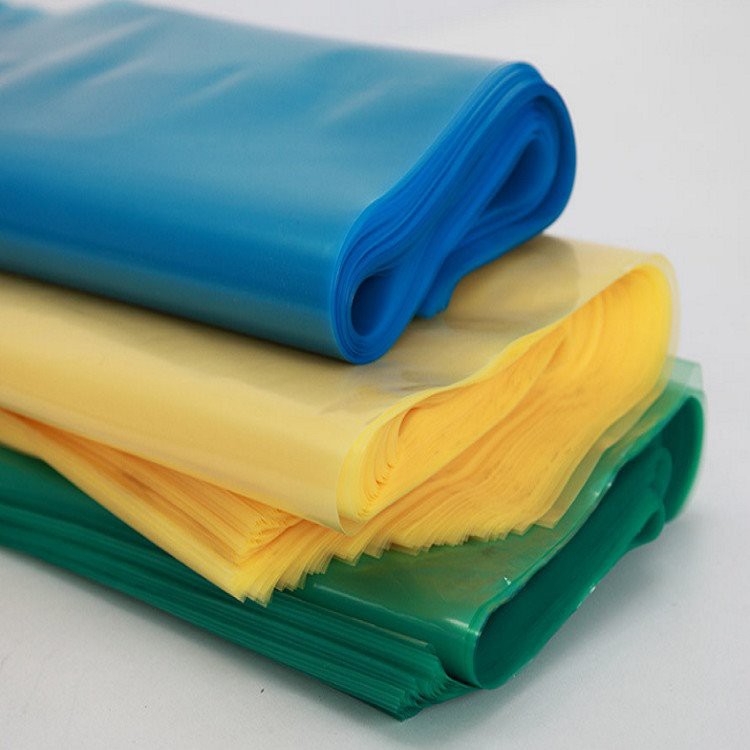
Flame Retardant Coating is another option, especially for applications where fire safety is a priority. Applying a flame - retardant coating to your conductive film can reduce the risk of fire and make your product safer.
Making the Final Decision
Once you've considered all these factors, it's time to make a decision. It's a good idea to test a sample of the conductive film in your actual application before making a large - scale purchase. This can help you confirm that the film meets all your requirements and performs as expected.
As an electric conductive film supplier, I'm here to help you through this process. If you have any questions or need more information, don't hesitate to reach out. We can provide you with samples, technical data, and all the support you need to choose the right film for your specific application. Whether you're working on a small - scale project or a large - scale industrial application, we've got the expertise and the products to meet your needs.
If you're interested in purchasing electric conductive films or have any inquiries about our products, feel free to contact us. We're looking forward to starting a great partnership with you and helping you find the perfect conductive film for your project.
References
- "Handbook of Flexible Electronics: Materials, Fabrication, Devices, and Applications" by John A. Rogers, Takao Someya, and Yonggang Huang.
- "Conductive Polymers: Fundamentals and Applications - A Practical Approach" by D. F. Shriver and P. J. Collin.