

A refrigerator is a vital appliance in our daily life, and its proper functioning depends significantly on the evaporator. As a Refrigerator Evaporator supplier, I've witnessed firsthand the impact of a faulty evaporator on a refrigerator's performance. In this blog, I'll share how to diagnose a faulty refrigerator evaporator, drawing on my experience in the industry.
1. Understanding the Role of the Refrigerator Evaporator
Before we dive into diagnosis, it's essential to understand what the evaporator does. The refrigerator evaporator is a key component in the refrigeration cycle. It absorbs heat from the inside of the refrigerator, causing the refrigerant flowing through it to evaporate from a liquid to a gas. This heat - absorption process is what cools the interior of the fridge.
2. Signs of a Faulty Evaporator
Temperature Issues
- Warm Interior: One of the most obvious signs is a warm refrigerator or freezer compartment. If you notice that your food is thawing or not as cold as it should be, it could be due to a malfunctioning evaporator. The evaporator may not be absorbing enough heat from the interior, leading to inadequate cooling.
- Inconsistent Temperatures: You might also experience inconsistent temperatures within the fridge. Some areas could be too cold while others remain warm. This could indicate that the evaporator is not distributing the cooling effect evenly.
Frost Buildup
- Excessive Frost on the Evaporator Coils: A normal refrigerator will have a small amount of frost on the evaporator coils, which is removed during the defrost cycle. However, if you see a thick layer of frost covering the coils, it's a sign of a problem. This can happen if the defrost system fails, or if the evaporator is not functioning correctly to allow the normal evaporation of the refrigerant.
- Frost on Other Parts of the Refrigerator: Frost forming on the walls or shelves inside the fridge can also be related to a faulty evaporator. When the evaporator doesn't work properly, the normal air circulation and temperature regulation are disrupted, leading to frost accumulation in unusual places.
Unusual Noises
- Hissing or Bubbling Sounds: If you hear hissing or bubbling noises coming from the back or bottom of the fridge near the evaporator area, it could indicate a refrigerant leak. The evaporator relies on a proper flow of refrigerant to function, and a leak can disrupt this process. The hissing sound is often the refrigerant escaping from a damaged part of the evaporator.
- Rattling or Vibrating Noises: A loose or damaged evaporator may produce rattling or vibrating noises. This could be due to a physical problem with the mounting of the evaporator or a problem with the fan that helps circulate air over the evaporator coils.
3. Visual Inspection
Check the Evaporator Coils
- Remove the Interior Panels: To access the evaporator coils, you'll usually need to remove the interior panels of the freezer. This may vary depending on the model of your refrigerator. Once you have access, visually inspect the coils for any signs of damage. Look for bent or flattened coils, as this can restrict the flow of refrigerant and reduce the evaporator's efficiency.
- Look for Leaks: Check for signs of refrigerant leaks around the evaporator coils. Refrigerant leaks can sometimes be detected as a white, powdery substance on the coils or nearby components. If you notice any such signs, it's likely that the evaporator has a leak.
Inspect the Fan
- The evaporator fan is responsible for circulating air over the evaporator coils, which helps transfer heat more efficiently. Check if the fan is spinning freely. You can do this by gently spinning the fan blade with your finger. If it doesn't spin smoothly or makes a grinding noise, the fan may be damaged and could be affecting the evaporator's performance.
4. Testing the Evaporator
Temperature Testing
- Use a Thermometer: Place a reliable thermometer in the refrigerator and freezer compartments. Monitor the temperature over a period of time. Compare the readings with the recommended temperature settings for your refrigerator. If the temperatures are consistently higher than normal, it could indicate a problem with the evaporator.
- Check the Temperature Difference: Measure the temperature of the air entering and leaving the evaporator. There should be a significant temperature difference. If the difference is minimal, it suggests that the evaporator is not effectively absorbing heat.
Electrical Testing
- For evaporators with electrical components, such as defrost heaters or fans, you can use a multimeter to test for continuity. If there is no continuity in a component, it may be faulty and need to be replaced. However, electrical testing should be done with caution, and if you're not experienced with electrical work, it's best to consult a professional.
5. When to Replace the Evaporator
If, after thorough diagnosis, you determine that the evaporator is faulty, replacement may be necessary. Here are some factors to consider:
- Age of the Refrigerator: If your refrigerator is old, it may be more cost - effective to replace the entire appliance rather than just the evaporator. However, if the fridge is relatively new and the evaporator is the only problem, replacement can be a viable option.
- Extent of Damage: If the evaporator has a major refrigerant leak or significant physical damage, it's likely that replacement is the best solution. Minor issues like a bent coil may sometimes be repaired, but more severe damage usually requires a new evaporator.
6. Our Offerings as a Refrigerator Evaporator Supplier
As a Refrigerator Evaporator supplier, we provide high - quality evaporators that meet the needs of various refrigerator models. Our Bonded Type Evaporator is designed with advanced technology to ensure efficient heat absorption and long - term reliability. We also offer a wide range of Refrigerator Evaporator options to suit different customer requirements.

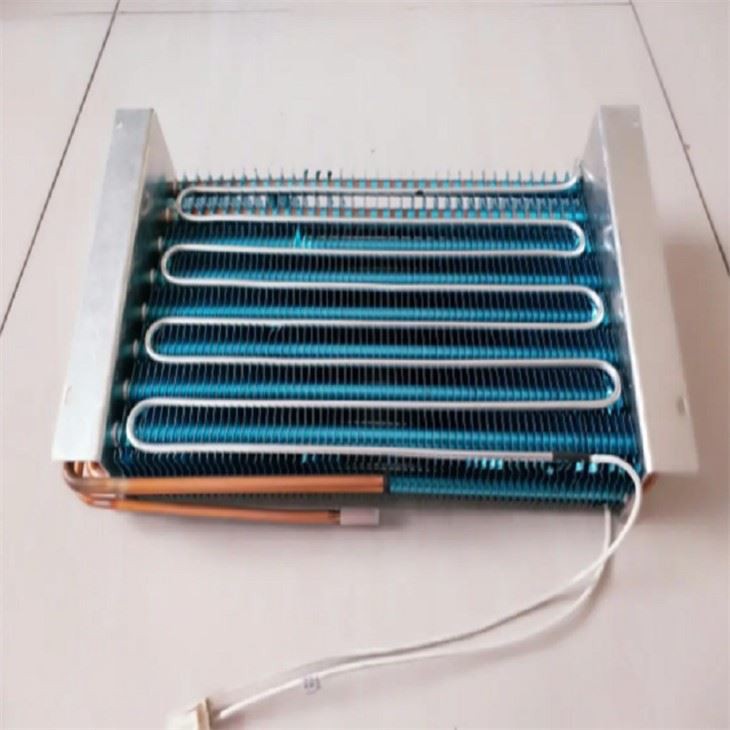
If you're experiencing problems with your refrigerator evaporator or are in need of a new one for your manufacturing process, don't hesitate to contact us for procurement and further discussions. We're committed to providing excellent products and services to our customers.
References
- "Refrigeration and Air Conditioning Technology" by William C. Whitman, William M. Johnson, and John A. Tomczyk.
- Manufacturer's manuals for various refrigerator models.