

Hey there! I'm a supplier of Electric Conductive Film, and I've been getting a lot of questions lately about how to ensure the compatibility of this nifty product with other materials. So, I thought I'd put together this blog post to share some insights and tips.
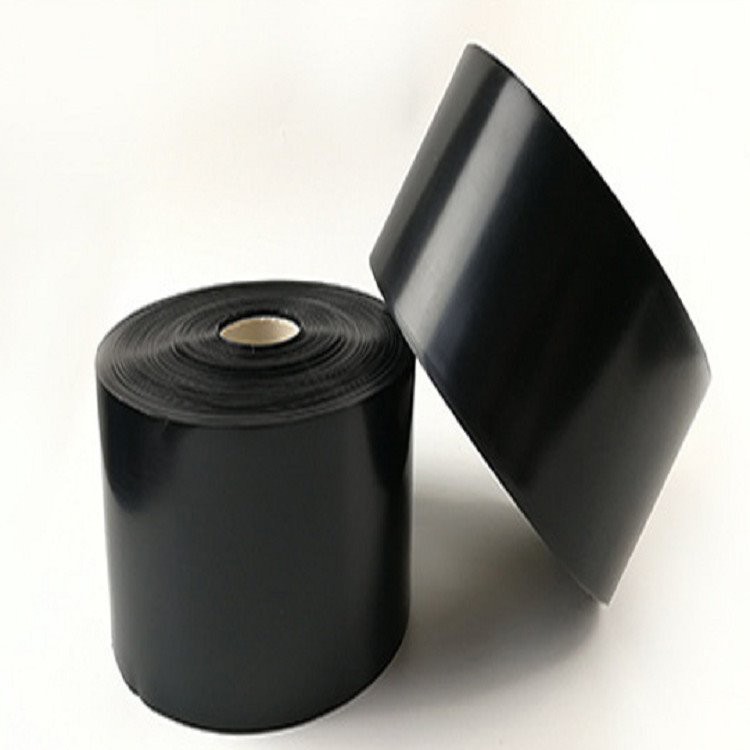
First off, let's talk a bit about what Electric Conductive Film is. It's a super useful material that can conduct electricity, and it's used in a wide range of applications, from electronics to medical devices. You can learn more about it here: Electric Conductive Film.
Now, when it comes to compatibility, there are a few key factors to consider. One of the most important is the chemical properties of the materials you're working with. Different materials have different chemical compositions, and these can interact with each other in various ways. For example, some materials might react with the conductive film, causing it to lose its conductivity or even break down.
To avoid these issues, it's crucial to do some research on the chemical properties of both the Electric Conductive Film and the other materials you plan to use. Look for information on their chemical resistance, solubility, and reactivity. You can usually find this kind of information in technical datasheets provided by the manufacturers.
Another factor to consider is the physical properties of the materials. This includes things like their hardness, flexibility, and thermal expansion. If the materials have very different physical properties, they might not bond well together or could cause stress and damage over time.
For instance, if you're using a rigid material with a highly flexible Electric Conductive Film, the film might stretch or tear when the rigid material moves or bends. On the other hand, if the film is too stiff and the other material is very soft, it might not conform properly and could lead to poor contact or performance.
To address these physical compatibility issues, you can try using an intermediate layer or adhesive that can help bridge the gap between the different materials. This can improve the bonding and reduce the risk of damage. For example, a soft adhesive can help absorb some of the stress between a rigid and a flexible material.
Let's take a look at some common materials that Electric Conductive Film is often used with and how to ensure compatibility with them.
Release Film
Release Film is a material that's commonly used in manufacturing processes to prevent adhesion between different layers. You can find out more about it here: Release Film.
When using Electric Conductive Film with Release Film, the main concern is to make sure that the conductive film doesn't stick to the release film during the manufacturing process but can be easily separated when needed.
To achieve this, you need to choose a Release Film with the right level of release force. If the release force is too high, it might be difficult to separate the conductive film from the release film, and you could end up damaging the film. On the other hand, if the release force is too low, the conductive film might not stay in place properly during processing.
You should also consider the surface properties of the Release Film. Some release films have a smooth surface, while others have a textured surface. A smooth surface might provide better contact with the Electric Conductive Film, but it could also increase the risk of sticking. A textured surface can reduce the contact area and make it easier to separate the two materials.
Mucous Membrane
In medical applications, Electric Conductive Film might be used in contact with Mucous Membrane. You can learn more about Mucous Membrane in relation to functional films here: Mucous Membrane.
When using Electric Conductive Film with Mucous Membrane, biocompatibility is the top priority. The film should not cause any irritation, allergic reactions, or other harmful effects to the mucous membrane.
To ensure biocompatibility, you need to use a film that's made from materials that are approved for medical use. Look for films that have been tested and certified for biocompatibility according to relevant standards, such as ISO 10993.
You also need to consider the surface properties of the film. A smooth and non-porous surface is generally better for contact with mucous membrane, as it can reduce the risk of bacteria or other contaminants getting trapped and causing infections.

In addition to these specific materials, there are some general tips that can help you ensure the compatibility of Electric Conductive Film with other materials.
First, always perform some small-scale tests before starting a large production run. This can help you identify any potential compatibility issues early on and make adjustments as needed. You can test the bonding strength, conductivity, and other performance parameters of the combined materials.
Second, keep an eye on the environmental conditions during the manufacturing and use of the products. Factors like temperature, humidity, and exposure to chemicals can all affect the compatibility of the materials. Make sure to store and handle the materials in accordance with the manufacturer's recommendations.
Finally, don't be afraid to reach out to the manufacturers or suppliers of the materials for advice. They often have a lot of experience and can provide valuable insights and solutions to compatibility problems.
Well, that's all for now on how to ensure the compatibility of Electric Conductive Film with other materials. I hope you found this blog post helpful. If you're interested in purchasing Electric Conductive Film or have any questions about compatibility or other aspects of our products, feel free to get in touch with us. We'd be more than happy to assist you with your procurement and answer any of your queries.
References
- Technical datasheets from various material manufacturers
- ISO 10993 standards for biocompatibility testing