

Hey there! As a supplier of Bonded Type Evaporators, I've had my fair share of experiences in the industry. And one question that often pops up is, "How to evaluate the performance of a Bonded Type Evaporator?" Well, let's dive right into it.
1. Heat Transfer Efficiency
The first and probably the most crucial aspect to consider when evaluating a Bonded Type Evaporator is its heat transfer efficiency. You see, the main job of an evaporator is to transfer heat from the surrounding environment to the refrigerant inside it. A more efficient heat transfer means that the evaporator can cool the space faster and use less energy in the process.
To measure heat transfer efficiency, we usually look at the heat transfer coefficient. This coefficient tells us how well the evaporator can transfer heat per unit area and per unit temperature difference. A higher heat transfer coefficient is generally better, as it indicates that the evaporator can transfer more heat in a shorter amount of time.
There are several factors that can affect the heat transfer efficiency of a Bonded Type Evaporator. The material of the evaporator plays a big role. For example, aluminum is a popular choice because it has good thermal conductivity. The design of the evaporator also matters. A well-designed evaporator will have a larger surface area for heat transfer, which can improve its efficiency.
2. Refrigerant Flow
Another important factor is the refrigerant flow. The refrigerant needs to flow smoothly through the evaporator to ensure efficient heat transfer. If the refrigerant flow is restricted or uneven, it can lead to poor performance.
We can evaluate the refrigerant flow by looking at the pressure drop across the evaporator. A high pressure drop may indicate that there is a blockage or a problem with the flow path. We also need to make sure that the refrigerant is evenly distributed throughout the evaporator. This can be achieved through proper design and installation.
One way to improve refrigerant flow is by using a distributor. A distributor helps to divide the refrigerant into smaller streams and distribute them evenly across the evaporator. This can ensure that all parts of the evaporator are working effectively.
3. Frosting and Defrosting Performance
Frosting is a common issue in evaporators, especially in refrigeration applications. When the temperature of the evaporator surface drops below the dew point of the surrounding air, moisture in the air will condense and freeze on the surface, forming frost. Frost can reduce the heat transfer efficiency of the evaporator and increase the energy consumption.
So, it's important to evaluate the frosting and defrosting performance of a Bonded Type Evaporator. We can look at how quickly the frost accumulates on the evaporator surface and how effectively the defrosting system can remove the frost.
A good Bonded Type Evaporator should have a slow frosting rate. This can be achieved through proper insulation and surface treatment. The defrosting system should also be reliable and energy-efficient. There are different types of defrosting methods, such as electric defrosting and hot gas defrosting. Each method has its own advantages and disadvantages, and the choice depends on the specific application.
4. Durability and Reliability
As a supplier, I know that durability and reliability are key concerns for our customers. A Bonded Type Evaporator needs to be able to withstand the harsh operating conditions and last for a long time.
We can evaluate the durability of an evaporator by looking at the quality of the materials used and the manufacturing process. For example, a well-bonded evaporator will have a strong bond between the different layers, which can prevent delamination and leakage. The evaporator should also be resistant to corrosion and other environmental factors.
Reliability can be measured by the number of failures and the maintenance requirements. A reliable evaporator will have a low failure rate and require minimal maintenance. We can also look at the warranty offered by the supplier as an indicator of the reliability of the product.
5. Noise and Vibration
In some applications, such as in household refrigerators, noise and vibration can be a concern. A noisy or vibrating evaporator can be annoying to the users and may also indicate a problem with the design or installation.
We can evaluate the noise and vibration levels of a Bonded Type Evaporator by using specialized equipment. A good evaporator should operate quietly and with minimal vibration. This can be achieved through proper design and balancing.
6. Cost-Effectiveness
Finally, we need to consider the cost-effectiveness of the Bonded Type Evaporator. This includes not only the initial purchase cost but also the operating cost and the maintenance cost over the lifetime of the product.

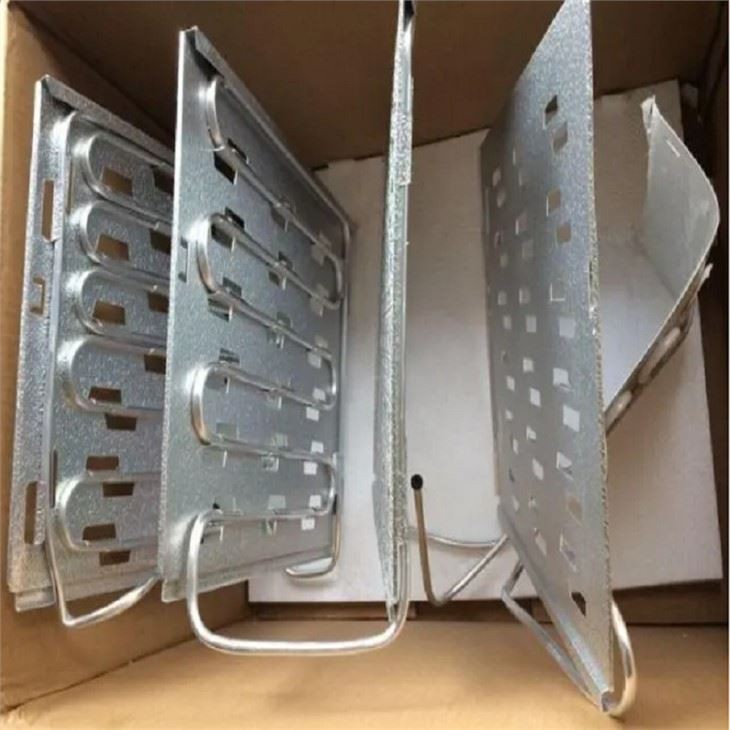
A more expensive evaporator may have better performance and durability, but it may not always be the best choice. We need to balance the cost and the performance based on the specific requirements of the application.
As a supplier, we offer a range of Bonded Type Evaporators that are designed to meet different needs and budgets. Our products are known for their high performance, reliability, and cost-effectiveness.
If you're in the market for a Bonded Type Evaporator or a Refrigerator Evaporator, I encourage you to get in touch with us. We can provide you with detailed information about our products and help you choose the right one for your application. Whether you're a small business or a large corporation, we're here to serve you and ensure that you get the best value for your money.
References
- ASHRAE Handbook - Refrigeration. American Society of Heating, Refrigerating and Air-Conditioning Engineers.
- Incropera, F. P., & DeWitt, D. P. (2002). Fundamentals of Heat and Mass Transfer. John Wiley & Sons.