

Selecting the appropriate fluid for a Bonded Type Evaporator is a critical decision that can significantly impact the performance, efficiency, and longevity of the system. As a supplier of Bonded Type Evaporator, I understand the importance of this choice and have extensive experience in guiding customers through the selection process. In this blog post, I will share some key considerations and guidelines to help you make an informed decision.

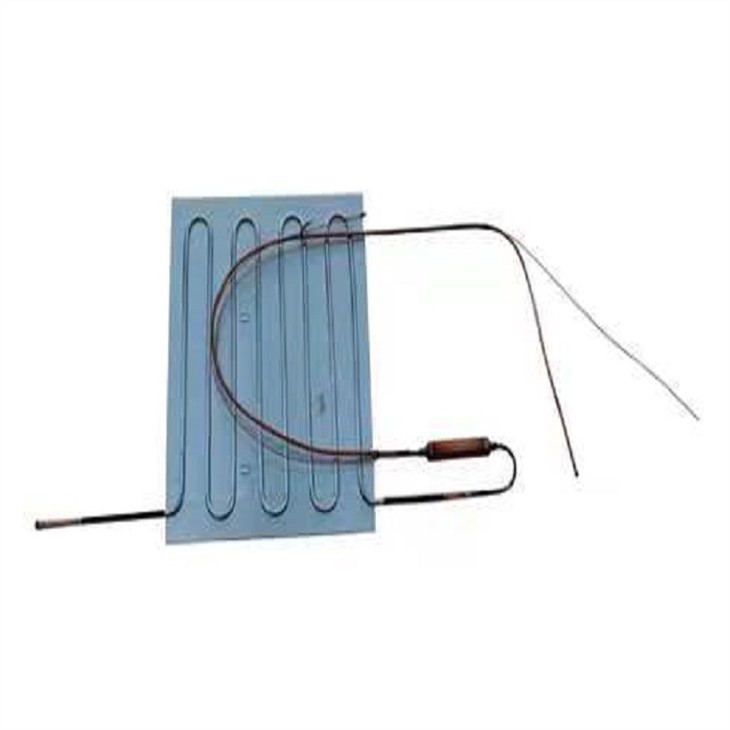
Understanding the Role of the Evaporator Fluid
The evaporator is a key component in a refrigeration or heat transfer system. Its primary function is to absorb heat from the surrounding environment by evaporating the refrigerant fluid. The choice of fluid affects several aspects of the evaporator's performance, including its cooling capacity, energy efficiency, and compatibility with the system materials.
Key Factors to Consider When Selecting a Fluid
Thermodynamic Properties
- Boiling Point: The boiling point of the fluid should be appropriate for the operating temperature of the evaporator. For example, in a Refrigerator Evaporator, the fluid needs to boil at a low temperature to absorb heat effectively from the refrigerated space.
- Latent Heat of Vaporization: A high latent heat of vaporization means that the fluid can absorb more heat during the evaporation process, resulting in a higher cooling capacity.
- Specific Heat: The specific heat of the fluid affects the amount of heat required to raise its temperature. A lower specific heat allows for faster temperature changes, which can improve the system's response time.
Chemical Compatibility
- Material Compatibility: The fluid must be compatible with the materials used in the evaporator, such as the tubing, fins, and bonding agents. Incompatible fluids can cause corrosion, degradation, or other forms of damage to the components, leading to reduced performance and potential system failures.
- Lubrication Requirements: Some refrigerants require specific lubricants to ensure proper operation of the compressor and other moving parts. The selected fluid should be compatible with the lubricant used in the system.
Environmental Impact
- Ozone Depletion Potential (ODP): Fluids with high ODP values can cause damage to the ozone layer and are subject to strict regulations. It is essential to choose a fluid with a low or zero ODP to comply with environmental standards.
- Global Warming Potential (GWP): GWP measures the ability of a fluid to trap heat in the atmosphere compared to carbon dioxide. Low-GWP fluids are preferred to minimize the environmental impact of the refrigeration system.
Safety
- Flammability: The flammability of the fluid is an important safety consideration. Non-flammable fluids are generally preferred, especially in applications where there is a risk of fire or explosion.
- Toxicity: Some fluids can be toxic if inhaled or ingested. It is crucial to choose a fluid with low toxicity levels to ensure the safety of the operators and the environment.
Common Types of Fluids for Bonded Type Evaporators
Hydrofluorocarbons (HFCs)
- Properties: HFCs are widely used in refrigeration systems due to their low ODP and relatively high energy efficiency. They have good thermodynamic properties and are compatible with most system materials.
- Examples: R-134a, R-404A, and R-410A are common HFC refrigerants used in various applications, including commercial and residential refrigeration.
Hydrocarbons (HCs)
- Properties: HCs are natural refrigerants with zero ODP and low GWP. They have excellent thermodynamic properties and are highly energy-efficient. However, they are flammable and require special safety precautions.
- Examples: Propane (R-290) and isobutane (R-600a) are commonly used HCs in small refrigeration systems, such as domestic refrigerators and freezers.
Ammonia (NH3)
- Properties: Ammonia is a highly efficient refrigerant with excellent thermodynamic properties. It has zero ODP and low GWP. However, it is toxic and flammable, and requires careful handling and installation.
- Examples: Ammonia is commonly used in large industrial refrigeration systems, such as cold storage warehouses and food processing plants.
Evaluating the Application Requirements
- Operating Conditions: Consider the temperature range, pressure, and humidity levels in the application environment. Different fluids perform better under specific operating conditions, so it is important to choose a fluid that can meet the requirements of the system.
- System Size and Capacity: The size and capacity of the evaporator and the overall refrigeration system will also influence the choice of fluid. Larger systems may require fluids with higher cooling capacities, while smaller systems may benefit from more energy-efficient options.
- Cost: The cost of the fluid, including the purchase price, installation costs, and maintenance expenses, is an important factor to consider. While some fluids may have a higher upfront cost, they may offer long-term savings in terms of energy efficiency and reduced maintenance requirements.
Working with a Professional Supplier
- Expertise and Experience: As a Bonded Type Evaporator supplier, we have the expertise and experience to help you select the appropriate fluid for your specific application. Our team of engineers and technicians can provide technical support and guidance throughout the selection process.
- Product Compatibility: We offer a wide range of evaporators that are designed to work with different types of fluids. Our products are carefully tested and certified to ensure compatibility and optimal performance with the selected fluid.
- Customization Options: We understand that every application is unique, and we offer customization options to meet your specific requirements. Whether you need a custom-designed evaporator or a specific fluid compatibility, we can work with you to find the best solution.
Conclusion
Selecting the appropriate fluid for a Bonded Type Evaporator is a complex decision that requires careful consideration of several factors. By understanding the thermodynamic properties, chemical compatibility, environmental impact, safety requirements, and application needs, you can make an informed choice that will ensure the optimal performance and efficiency of your refrigeration system. As a supplier of Bonded Type Evaporator, we are committed to providing our customers with the highest quality products and services. If you have any questions or need assistance with fluid selection, please do not hesitate to contact us. We look forward to working with you to find the best solution for your needs.
References
- ASHRAE Handbook of Refrigeration. American Society of Heating, Refrigerating and Air-Conditioning Engineers.
- International Institute of Refrigeration (IIR). "Refrigeration and the Environment."
- U.S. Environmental Protection Agency (EPA). "Refrigerants and Ozone Depletion."