

In recent years, environmental concerns have become a central focus across various industries. As a supplier of Rust Resistant Film, I am frequently asked about the environmental friendliness of our product. This blog aims to delve into this question, exploring the scientific aspects and real - world implications of Rust Resistant Film's environmental impact.
Understanding Rust Resistant Film
Rust Resistant Film is a specialized product designed to protect metal surfaces from corrosion. It works by creating a barrier between the metal and the surrounding environment, preventing moisture, oxygen, and other corrosive agents from coming into contact with the metal. This not only extends the lifespan of metal products but also reduces the need for frequent replacements, which can have a significant environmental footprint.
Environmental Benefits of Rust Resistant Film
Reduced Material Waste
One of the most significant environmental advantages of Rust Resistant Film is its ability to reduce material waste. When metal corrodes, it often becomes structurally unsound and needs to be replaced. This leads to the disposal of large amounts of metal waste, which can take a long time to decompose in landfills. By using Rust Resistant Film, the corrosion process is slowed down or even halted, allowing metal products to be used for a longer period. For example, in the automotive industry, applying Rust Resistant Film to the undercarriage of vehicles can prevent rusting, reducing the need to scrap cars prematurely. This directly translates into less metal waste going to landfills.
Energy Savings
The production of new metal is an energy - intensive process. Mining, refining, and shaping metal require large amounts of electricity and fossil fuels. By protecting existing metal with Rust Resistant Film, we can reduce the demand for new metal production. For instance, in the construction industry, using Rust Resistant Film on steel beams can extend their service life, meaning fewer new beams need to be manufactured. This results in significant energy savings, as well as a reduction in greenhouse gas emissions associated with metal production.
Compatibility with Recycling
Rust Resistant Film is often designed to be compatible with metal recycling processes. Many modern Rust Resistant Films can be easily removed from the metal surface during the recycling process, allowing the metal to be recycled without being contaminated by the film. This means that metal products protected by Rust Resistant Film can still be recycled at the end of their useful life, further reducing the environmental impact.
Potential Environmental Concerns
While Rust Resistant Film offers several environmental benefits, there are also some potential concerns that need to be addressed.
Chemical Ingredients
Some Rust Resistant Films may contain chemicals that could be harmful to the environment if not properly managed. For example, certain films may use heavy metals or volatile organic compounds (VOCs) in their formulations. Heavy metals can contaminate soil and water if they leach out from the film, while VOCs can contribute to air pollution and smog formation. However, as a responsible supplier, we are committed to using only environmentally friendly chemicals in our Rust Resistant Film products. Our research and development team is constantly working to formulate films that are free from heavy metals and have low VOC emissions.
End - of - Life Disposal
The disposal of Rust Resistant Film itself can be a concern. If the film is not biodegradable or recyclable, it may end up in landfills, contributing to waste accumulation. To mitigate this issue, we are exploring ways to develop biodegradable Rust Resistant Films. In addition, we are also looking into recycling options for our films, so that they can be reused in other applications rather than being discarded.
Comparing with Other Functional Films
To better understand the environmental friendliness of Rust Resistant Film, it is helpful to compare it with other functional films.
Release Film
Release Film, as described here, is commonly used in the manufacturing of composite materials. It allows the materials to be easily separated during the production process. While Release Film serves an important function, its environmental impact can vary depending on its composition. Some Release Films may contain non - biodegradable polymers, which can pose challenges for disposal. In contrast, our Rust Resistant Film is being developed with a greater focus on environmental sustainability, aiming to minimize waste and pollution.
Electric Conductive Film
Electric Conductive Film, detailed here, is used in electronic devices to provide electrical conductivity. The production of Electric Conductive Film often involves complex chemical processes and the use of precious metals. This can result in a relatively high environmental impact in terms of resource consumption and waste generation. Our Rust Resistant Film, on the other hand, is designed to be more resource - efficient and has a lower environmental footprint during production.
Flame Retardant Coating
Flame Retardant Coating, as shown here, is used to prevent the spread of fire. Some Flame Retardant Coatings may contain halogenated compounds, which are known to be persistent organic pollutants. These compounds can have long - term environmental and health effects. Our Rust Resistant Film does not rely on such harmful chemicals for its functionality, making it a more environmentally friendly option in terms of chemical usage.
Our Commitment to Environmental Sustainability
As a supplier of Rust Resistant Film, we are fully committed to environmental sustainability. We invest heavily in research and development to improve the environmental performance of our products. This includes using eco - friendly raw materials, reducing energy consumption during production, and developing recycling and disposal solutions for our films.
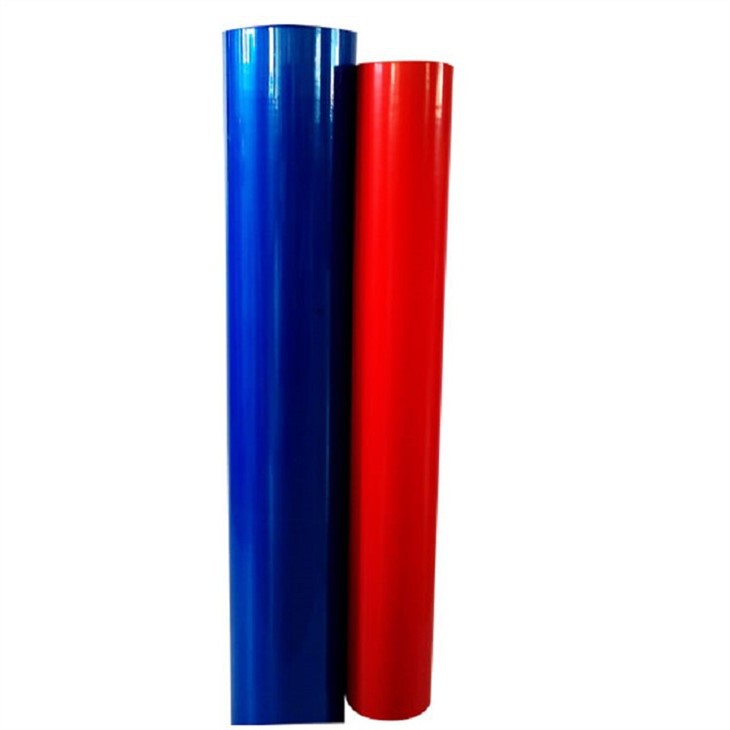

We also adhere to strict environmental regulations and standards in all aspects of our business. Our manufacturing facilities are equipped with advanced pollution control systems to minimize emissions and waste. In addition, we are constantly looking for ways to collaborate with other stakeholders in the industry to promote sustainable practices.
Conclusion
In conclusion, Rust Resistant Film has the potential to be an environmentally friendly solution. It offers significant benefits in terms of reducing material waste, saving energy, and being compatible with recycling. While there are some potential environmental concerns associated with chemical ingredients and end - of - life disposal, our commitment to research and development is driving us to address these issues.
Compared to other functional films such as Release Film, Electric Conductive Film, and Flame Retardant Coating, our Rust Resistant Film is designed to have a lower environmental impact.
If you are interested in purchasing Rust Resistant Film for your business and want to contribute to environmental sustainability, we welcome you to contact us for a procurement discussion. We are confident that our products can meet your requirements while also being kind to the environment.
References
- "Corrosion Prevention and Control Handbook," Wiley, 2019.
- "Environmental Science: Toward a Sustainable Future," Prentice - Hall, 2020.
- Industry reports on functional film production and environmental impact.