

Hey there! As a supplier of Bonded Type Evaporators, I've been diving deep into the ins and outs of these nifty devices. One key aspect that often gets overlooked but has a huge impact on performance is the evaporation rate. So, let's chat about what effects the evaporation rate can have on a Bonded Type Evaporator.
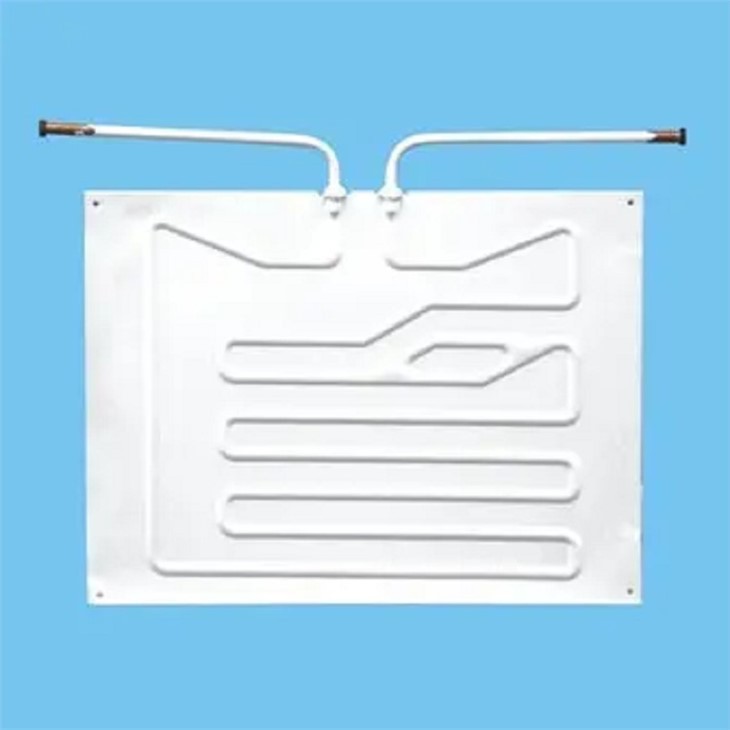
First off, let's quickly understand what a Bonded Type Evaporator is. It's a crucial component in refrigeration systems, and you can learn more about it here: Bonded Type Evaporator. These evaporators work by absorbing heat from the surrounding environment, causing the refrigerant inside to evaporate. The rate at which this evaporation occurs can make or break the efficiency of the whole system.
Cooling Efficiency
The evaporation rate directly affects the cooling efficiency of a Bonded Type Evaporator. When the evaporation rate is high, the refrigerant can absorb more heat from the surroundings in a shorter period. This means that the evaporator can cool the space more quickly and effectively. For example, in a commercial refrigerator, a high evaporation rate can help keep the food fresh by rapidly lowering the temperature inside the unit.
On the other hand, a low evaporation rate can lead to poor cooling performance. If the refrigerant takes too long to evaporate, it won't be able to absorb enough heat, resulting in a slower cooling process. This can cause the temperature inside the refrigerator to rise, which is a big no - no when it comes to storing perishable items. So, as a supplier, we always strive to design our Bonded Type Evaporators to have an optimal evaporation rate for maximum cooling efficiency.

Energy Consumption
Another significant effect of the evaporation rate is on energy consumption. A high evaporation rate generally means that the evaporator can achieve the desired cooling effect with less energy. When the refrigerant evaporates quickly, the compressor doesn't have to work as hard to maintain the cooling cycle. This translates to lower energy bills for the end - user.
In contrast, a low evaporation rate forces the compressor to run for longer periods to achieve the same level of cooling. This increased running time leads to higher energy consumption and, ultimately, higher costs. As a supplier, we know that energy efficiency is a top priority for our customers. That's why we invest a lot of time and resources in researching and developing evaporators with the right evaporation rate to minimize energy usage.
Frost Formation
Frost formation is a common issue in evaporators, and the evaporation rate plays a role here too. When the evaporation rate is too low, the temperature of the evaporator surface can drop below the dew point, causing moisture in the air to condense and freeze. This frost buildup can insulate the evaporator, reducing its ability to absorb heat and further decreasing the evaporation rate.
A high evaporation rate, however, helps prevent excessive frost formation. The rapid evaporation of the refrigerant keeps the evaporator surface at a relatively higher temperature, reducing the likelihood of moisture condensation and frost buildup. This means less maintenance for the end - user, as they won't have to defrost the evaporator as frequently.
System Stability
The evaporation rate also affects the overall stability of the refrigeration system. A consistent and appropriate evaporation rate ensures that the system operates smoothly. When the evaporation rate is stable, the pressure and temperature within the system remain within the desired range, preventing any sudden fluctuations that could damage the components.
If the evaporation rate is erratic, it can cause problems such as compressor overloading or refrigerant flow issues. For example, if the evaporation rate suddenly drops, the compressor may receive too much liquid refrigerant, which can lead to compressor failure. As a supplier, we test our Bonded Type Evaporators rigorously to ensure that they have a stable evaporation rate under different operating conditions.
Product Lifespan
The evaporation rate can have a long - term impact on the lifespan of the Bonded Type Evaporator. A well - balanced evaporation rate reduces the stress on the components of the evaporator. When the refrigerant evaporates at the right rate, there is less wear and tear on the tubes, fins, and other parts of the evaporator.
In contrast, an improper evaporation rate can cause premature aging of the evaporator. For instance, if the evaporation rate is too high, it can lead to excessive pressure on the tubes, which may cause them to crack over time. On the other hand, a low evaporation rate can lead to corrosion due to the presence of moisture for extended periods. By providing evaporators with an optimal evaporation rate, we aim to extend the product lifespan and provide our customers with a reliable and long - lasting solution.
Impact on Different Applications
The effects of the evaporation rate can vary depending on the application of the Bonded Type Evaporator. For example, in a domestic Refrigerator Evaporator, the evaporation rate needs to be carefully calibrated to keep the food fresh while also being energy - efficient. The size of the refrigerator and the frequency of door openings can also affect the required evaporation rate.
In a commercial refrigeration system, such as those used in supermarkets or restaurants, the evaporation rate needs to be higher to handle the larger volume of food and the more demanding cooling requirements. These systems also need to be more robust to withstand continuous operation.
In industrial applications, the evaporation rate may need to be adjusted based on the specific process requirements. For example, in a chemical plant where precise temperature control is crucial, the evaporation rate of the evaporator needs to be tightly regulated to ensure the quality of the products.
Factors Affecting Evaporation Rate
There are several factors that can influence the evaporation rate of a Bonded Type Evaporator. The temperature of the surrounding environment is a major factor. Higher ambient temperatures generally lead to a higher evaporation rate as there is more heat available for the refrigerant to absorb.
The flow rate of the refrigerant also plays a role. A higher flow rate can increase the evaporation rate, but it needs to be balanced to avoid issues such as refrigerant flooding. The design of the evaporator, including the size and shape of the tubes and fins, can also affect the evaporation rate.
As a supplier, we take all these factors into account when designing and manufacturing our Bonded Type Evaporators. We use advanced simulation tools and real - world testing to optimize the evaporation rate for different applications.
Conclusion
In conclusion, the evaporation rate has a profound impact on the performance, energy consumption, frost formation, system stability, and lifespan of a Bonded Type Evaporator. As a supplier, we understand the importance of getting the evaporation rate right. We are constantly working on improving our products to ensure that they offer the best possible performance and value to our customers.
If you're in the market for a high - quality Bonded Type Evaporator, we'd love to have a chat with you. Whether you need a solution for a domestic refrigerator or a large - scale industrial application, we have the expertise and products to meet your needs. Contact us to start a conversation about your specific requirements and let's work together to find the perfect evaporator for you.
References
- ASHRAE Handbook of Refrigeration. American Society of Heating, Refrigerating and Air - Conditioning Engineers.
- Incropera, F. P., & DeWitt, D. P. (2002). Fundamentals of Heat and Mass Transfer. John Wiley & Sons.