

As a supplier of Food Packaging Bags, I've witnessed firsthand the critical role that light - blocking food packaging bags play in the food industry. In this blog, I'll delve into the various functions of these specialized packaging bags.
1. Preservation of Food Quality
One of the primary functions of light - blocking food packaging bags is to preserve the quality of the food inside. Light, especially ultraviolet (UV) light, can have a detrimental effect on food. When food is exposed to light, it can trigger a series of chemical reactions. For example, light can cause the oxidation of fats in food products. Oxidized fats not only develop an unpleasant rancid odor and taste but also reduce the nutritional value of the food. Vitamin C, for instance, is highly sensitive to light. When fruits or vegetables containing vitamin C are exposed to light, the vitamin C content degrades rapidly.
Light - blocking food packaging bags act as a shield, preventing light from reaching the food. This helps to maintain the original flavor, color, and nutritional content of the food for a longer period. For example, coffee beans are often packed in light - blocking bags. Coffee contains oils that can oxidize when exposed to light, leading to a loss of flavor. By using light - blocking packaging, the coffee can retain its rich aroma and taste for months.
2. Extension of Shelf Life
The shelf life of food is a crucial factor for both food manufacturers and consumers. Light - blocking food packaging bags significantly contribute to extending the shelf life of food products. As mentioned earlier, light can accelerate the spoilage of food through oxidation and other chemical reactions. By blocking light, these packaging bags slow down the rate of deterioration.
Microorganisms also play a role in food spoilage. Some microorganisms can be activated by light, leading to faster growth and spoilage of food. Light - blocking packaging creates a less favorable environment for these microorganisms, further extending the shelf life of the food. For example, dairy products such as milk and yogurt are often packaged in opaque light - blocking containers. This helps to prevent the growth of bacteria and maintain the freshness of the products for a longer time.
3. Protection Against Photosensitive Compounds
Many food products contain photosensitive compounds. These are substances that can change their chemical structure when exposed to light. For example, riboflavin (vitamin B2) is a photosensitive compound found in many foods, including milk and eggs. When riboflavin is exposed to light, it can break down and form other compounds, which can lead to an off - flavor in the food.
Light - blocking food packaging bags protect these photosensitive compounds from light exposure. This ensures that the food retains its original nutritional value and taste. For instance, wine is often stored in dark - colored bottles, which act as a form of light - blocking packaging. The dark glass prevents light from reaching the wine, protecting the delicate flavor - and aroma - forming compounds in the wine.
4. Branding and Marketing
In addition to their functional benefits, light - blocking food packaging bags also play an important role in branding and marketing. The appearance of the packaging can attract consumers and convey the quality of the product. Light - blocking bags can be designed with attractive graphics and labels, making the product stand out on the shelves.

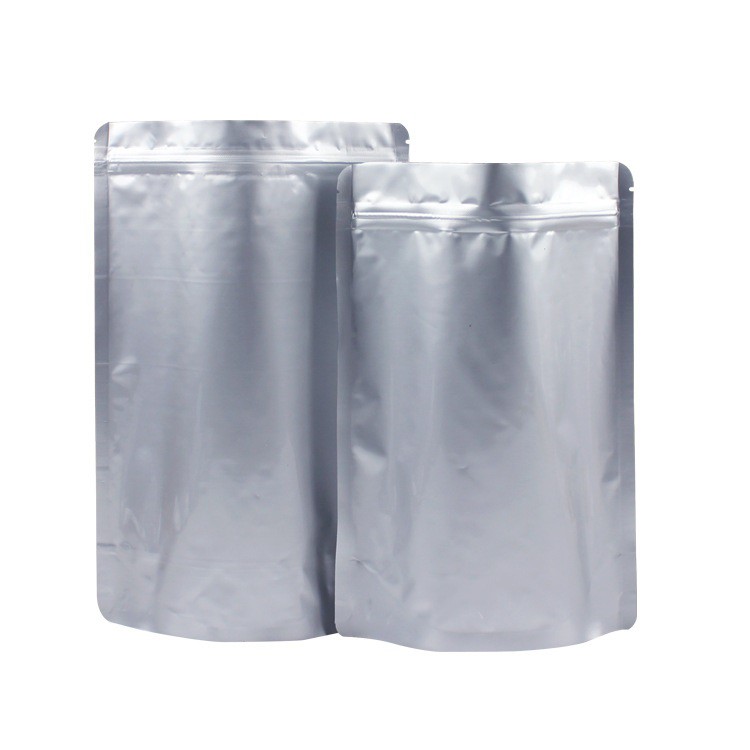
Moreover, the use of light - blocking packaging can also communicate to consumers that the food inside is of high quality and has been properly protected. This can enhance the brand image and increase consumer trust. For example, a high - end chocolate brand may use a luxurious light - blocking foil wrapper. The shiny foil not only protects the chocolate from light but also gives the product a premium look, appealing to consumers who are willing to pay more for quality.
5. Prevention of Color Fading
The color of food is an important visual cue for consumers. It can influence their perception of the food's freshness and quality. Light can cause the color of food to fade over time. For example, red fruits such as strawberries and cherries can lose their vibrant color when exposed to light.
Light - blocking food packaging bags prevent color fading by blocking the light that causes the color change. This ensures that the food maintains its attractive appearance, which is important for consumer acceptance. For example, snack foods like potato chips are often packaged in light - blocking bags. The bags keep the chips looking crispy and golden - brown, making them more appealing to consumers.
Our Product Offerings
As a supplier of Food Packaging Bags, we offer a wide range of light - blocking packaging solutions. Our Aluminum Foil Vacuum Bag is a popular choice for many food products. The aluminum foil layer provides excellent light - blocking properties, as well as barrier protection against oxygen, moisture, and other contaminants. It is suitable for packaging items such as meat, cheese, and coffee.
Our Food Packaging Bag line includes various types of light - blocking bags, designed to meet the specific needs of different food products. Whether you need a small pouch for a single - serving snack or a large bag for bulk food items, we have the right solution for you.
We also offer customized Aluminum Foil Vacuum Bag options. You can choose the size, shape, and printing design of the bags to match your brand requirements. Our team of experts can work with you to develop the perfect packaging solution for your food products.
Conclusion
In conclusion, light - blocking food packaging bags serve multiple important functions. They preserve food quality, extend shelf life, protect photosensitive compounds, enhance branding, and prevent color fading. As a supplier, we are committed to providing high - quality light - blocking packaging solutions to meet the diverse needs of the food industry.
If you are in the market for light - blocking food packaging bags, we invite you to contact us for more information and to discuss your specific requirements. Our team is ready to assist you in finding the best packaging solution for your food products.
References
- Labuza, T. P., & Breene, W. M. (1989). Shelf - life studies of foods and beverages. Food Technology, 43(1), 166 - 171.
- Robertson, G. L. (2012). Food packaging: Principles and practice. CRC press.
- Taoukis, P. S., & Labuza, T. P. (1989). Kinetics of vitamin C degradation in foods. Critical Reviews in Food Science and Nutrition, 28(4), 383 - 424.