

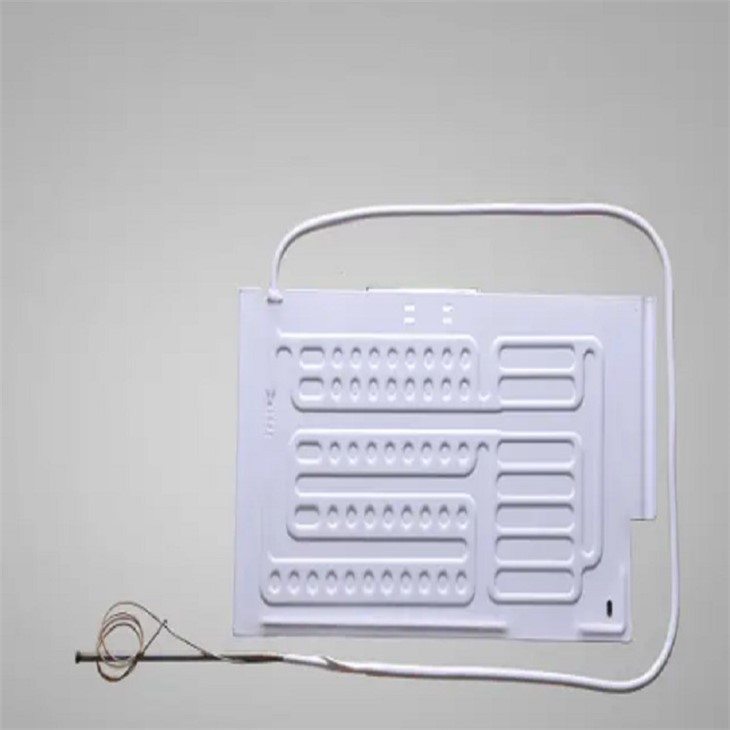
As a supplier of Bonded Type Evaporators, I understand that safety is of utmost importance when it comes to the use of our products. Bonded Type Evaporators are widely used in various cooling applications, such as in Refrigerator Evaporator systems, and ensuring their safe operation is crucial for both the users and the longevity of the equipment. In this blog, I will discuss the key safety precautions that should be taken when using a Bonded Type Evaporator.
1. Installation Precautions
- Proper Location Selection: The first step in ensuring the safe use of a Bonded Type Evaporator is to install it in a suitable location. The installation area should be well - ventilated to prevent the accumulation of heat and refrigerant vapors. It should also be away from sources of ignition, such as open flames, electrical sparks, or hot surfaces. For example, in a commercial kitchen setting, the evaporator should not be installed near a gas stove or a high - power electrical motor.
- Level Installation: The evaporator must be installed on a flat and stable surface. An uneven installation can cause stress on the bonded components, leading to potential leaks or damage over time. Use a spirit level during the installation process to ensure that the evaporator is perfectly horizontal.
- Correct Connection: All connections, including refrigerant lines, electrical wiring, and drainage pipes, must be made correctly. Incorrect connections can result in refrigerant leaks, electrical malfunctions, or improper drainage. Follow the manufacturer's installation instructions carefully and use the recommended tools and materials for the connections. For refrigerant lines, ensure that the joints are properly brazed or sealed to prevent leaks.
2. Electrical Safety
- Qualified Electrician: Electrical work related to the Bonded Type Evaporator should only be carried out by a qualified electrician. This ensures that the electrical connections are made in accordance with local electrical codes and safety standards. The electrician should check the voltage requirements of the evaporator and ensure that the power supply is compatible.
- Grounding: Proper grounding is essential for electrical safety. The evaporator should be grounded to prevent electrical shocks in case of a short - circuit. The grounding wire should be connected to a reliable grounding point, such as a grounding rod or a building's grounding system.
- Regular Electrical Inspections: Conduct regular electrical inspections of the evaporator to check for any signs of wear, damage, or loose connections. Look for frayed wires, overheating components, or abnormal electrical noises. If any issues are detected, have them repaired immediately by a qualified technician.
3. Refrigerant Safety
- Refrigerant Handling: Refrigerants used in Bonded Type Evaporators can be hazardous if not handled properly. Only trained personnel should handle refrigerants. When charging or recovering refrigerant, use appropriate refrigerant handling equipment, such as refrigerant gauges, recovery machines, and charging hoses.
- Leak Detection: Regularly check for refrigerant leaks using a refrigerant leak detector. A small refrigerant leak can not only reduce the efficiency of the evaporator but also pose a risk to the environment and human health. If a leak is detected, identify the source of the leak and repair it as soon as possible.
- Proper Disposal: When the evaporator reaches the end of its life or requires refrigerant replacement, ensure that the refrigerant is disposed of in accordance with environmental regulations. Do not release refrigerant into the atmosphere, as many refrigerants are known to contribute to ozone depletion and global warming.
4. Operational Safety
- Operator Training: Provide comprehensive training to the operators of the Bonded Type Evaporator. The operators should be familiar with the operating procedures, safety features, and emergency shutdown procedures of the evaporator. They should also know how to monitor the performance of the evaporator, such as checking the temperature, pressure, and refrigerant levels.
- Regular Maintenance: Implement a regular maintenance schedule for the evaporator. This includes cleaning the evaporator coils, checking the fan motors, and lubricating moving parts. Regular maintenance helps to ensure the efficient and safe operation of the evaporator. For example, dirty evaporator coils can reduce the heat transfer efficiency and cause the compressor to work harder, increasing the risk of overheating and breakdown.
- Monitoring and Alarms: Install monitoring devices and alarms on the evaporator to detect abnormal operating conditions, such as high or low pressure, high temperature, or refrigerant leaks. When an alarm is triggered, the operators should take immediate action to address the issue.
5. Emergency Preparedness
- Emergency Shutdown Procedure: Establish a clear emergency shutdown procedure for the Bonded Type Evaporator. In case of an emergency, such as a fire, refrigerant leak, or electrical malfunction, the operators should know how to quickly shut down the evaporator. The emergency shutdown switch should be easily accessible and clearly marked.
- First - Aid and Fire - Fighting Equipment: Have first - aid kits and fire - fighting equipment available in the vicinity of the evaporator. In case of an accident or fire, the operators can use these resources to provide immediate assistance and control the situation.
- Emergency Response Plan: Develop an emergency response plan that outlines the steps to be taken in case of different types of emergencies. The plan should include contact information for emergency services, such as the fire department and the local environmental protection agency.
6. Safety Labels and Instructions
- Visible Labels: Ensure that the Bonded Type Evaporator is equipped with visible safety labels. These labels should provide important information, such as operating instructions, safety warnings, and emergency contact information. The labels should be made of durable materials and placed in prominent locations on the evaporator.
- User Manual: Provide a detailed user manual with the evaporator. The user manual should cover all aspects of the evaporator, including installation, operation, maintenance, and safety precautions. Make sure that the user manual is written in a clear and easy - to - understand language.
7. Environmental Considerations
- Energy Efficiency: A well - maintained and properly operated Bonded Type Evaporator can contribute to energy efficiency. By reducing energy consumption, we not only save costs but also reduce the environmental impact. Regularly clean the evaporator coils and ensure that the refrigerant charge is correct to maintain optimal energy efficiency.
- Recycling and Reuse: At the end of the evaporator's life, consider recycling or reusing its components. Many parts of the evaporator, such as the metal frames and refrigerant lines, can be recycled. This helps to reduce waste and conserve natural resources.
In conclusion, the safe use of a Bonded Type Evaporator requires careful attention to installation, electrical safety, refrigerant handling, operation, emergency preparedness, and environmental considerations. By following these safety precautions, users can ensure the reliable and long - term operation of the evaporator while minimizing risks to themselves and the environment.
If you are interested in purchasing a Bonded Type Evaporator or have any questions about our products, please feel free to contact us for further discussion. We are committed to providing high - quality products and excellent customer service.

References
- ASHRAE Handbook - Refrigeration. American Society of Heating, Refrigerating and Air - Conditioning Engineers.
- International Electrotechnical Commission (IEC) standards for electrical equipment safety.
- Environmental Protection Agency (EPA) regulations on refrigerant handling and disposal.