

A refrigerator is an essential appliance in every household, working tirelessly to keep our food fresh and safe. At the heart of this cooling process lies the evaporator coil, a crucial component that plays a vital role in the refrigeration cycle. However, over time, the evaporator coil can become clogged, leading to a range of issues that can affect the performance and efficiency of your refrigerator. As a Refrigerator Evaporator supplier, I've witnessed firsthand the impact of a clogged evaporator coil on refrigeration systems. In this blog post, I'll share some common signs that indicate your refrigerator's evaporator coil might be clogged and why it's important to address the issue promptly.
1. Reduced Cooling Efficiency
One of the most noticeable signs of a clogged evaporator coil is reduced cooling efficiency. The evaporator coil is responsible for absorbing heat from the inside of the refrigerator, allowing the refrigerant to evaporate and cool the air. When the coil is clogged with dirt, dust, or debris, its ability to absorb heat is significantly impaired. As a result, the refrigerator has to work harder and longer to maintain the desired temperature, leading to increased energy consumption and higher utility bills.

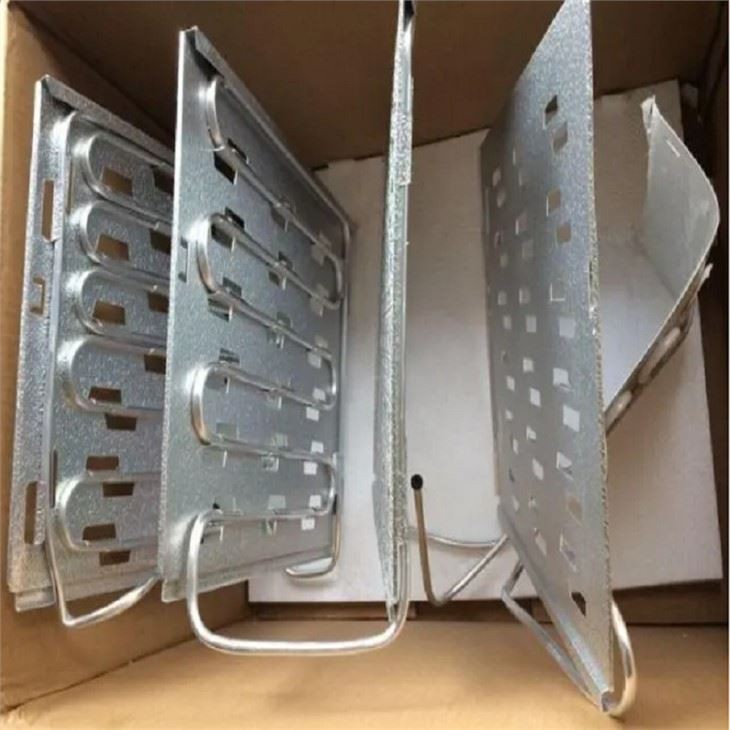
If you notice that your refrigerator is not cooling as effectively as it used to, or if the temperature inside the fridge seems to be fluctuating, it could be a sign that the evaporator coil is clogged. You may also find that your food is spoiling more quickly than usual, or that ice cream and other frozen items are starting to melt.
2. Frost Build-Up
Another common sign of a clogged evaporator coil is excessive frost build-up on the coil itself or inside the freezer compartment. When the coil is clogged, the refrigerant cannot flow freely through the system, causing it to accumulate and freeze on the surface of the coil. This frost build-up can further impede the coil's ability to absorb heat, exacerbating the cooling problem and potentially leading to compressor failure.
If you notice a thick layer of frost on the evaporator coil or inside the freezer, it's important to defrost the refrigerator as soon as possible. You can do this by unplugging the fridge and allowing the frost to melt naturally, or by using a hair dryer or other heat source to speed up the process. However, it's important to note that defrosting the refrigerator will only provide a temporary solution. To prevent the problem from recurring, you'll need to clean or replace the clogged evaporator coil.
3. Strange Noises
A clogged evaporator coil can also cause your refrigerator to make strange noises. As the compressor works harder to compensate for the reduced cooling efficiency, it may start to make a loud, humming, or rattling noise. You may also hear a hissing or bubbling sound coming from the evaporator coil, which could indicate a refrigerant leak.
If you notice any unusual noises coming from your refrigerator, it's important to have it inspected by a professional technician as soon as possible. Strange noises can be a sign of a serious problem, and ignoring them could lead to further damage to your refrigerator and potentially costly repairs.
4. Increased Energy Consumption
As mentioned earlier, a clogged evaporator coil can cause your refrigerator to work harder and longer to maintain the desired temperature, leading to increased energy consumption. If you notice that your energy bills have been steadily increasing, even though you haven't changed your usage habits, it could be a sign that the evaporator coil is clogged.
To determine if your refrigerator is using more energy than usual, you can check the energy consumption label on the appliance or use a watt meter to measure the amount of electricity it's using. If you find that your refrigerator is consuming more energy than it should, it's important to have the evaporator coil inspected and cleaned or replaced if necessary.
5. Water Leaks
In some cases, a clogged evaporator coil can cause water to leak from the refrigerator. When the coil is clogged, the condensate that forms on the surface of the coil cannot drain properly, causing it to accumulate and eventually leak out of the fridge. You may notice water pooling on the floor in front of the refrigerator, or you may find that the interior of the fridge is damp or wet.
If you notice any water leaks coming from your refrigerator, it's important to have it inspected by a professional technician as soon as possible. Water leaks can be a sign of a serious problem, and ignoring them could lead to water damage to your floors, cabinets, and other nearby appliances.
Why It's Important to Address a Clogged Evaporator Coil
Ignoring the signs of a clogged evaporator coil can have serious consequences for your refrigerator and your wallet. A clogged coil can not only reduce the cooling efficiency of your fridge, but it can also cause the compressor to work harder and longer, leading to increased wear and tear on the appliance and potentially shortening its lifespan. In addition, a clogged evaporator coil can increase your energy consumption, leading to higher utility bills.
By addressing the issue promptly, you can prevent further damage to your refrigerator and save money on energy costs. Cleaning or replacing the clogged evaporator coil is a relatively simple and inexpensive repair that can significantly improve the performance and efficiency of your fridge.
How to Prevent a Clogged Evaporator Coil
The best way to prevent a clogged evaporator coil is to keep your refrigerator clean and well-maintained. Here are some tips to help you keep your evaporator coil in good condition:
- Clean the Coils Regularly: Most refrigerators have condenser coils located on the back or bottom of the appliance. These coils can accumulate dust, dirt, and debris over time, which can reduce their efficiency and cause them to overheat. To clean the coils, simply unplug the fridge and use a vacuum cleaner or a coil brush to remove the dirt and debris.
- Keep the Refrigerator Away from Heat Sources: Placing your refrigerator near a heat source, such as a stove, oven, or radiator, can cause the compressor to work harder and increase the risk of a clogged evaporator coil. To prevent this, make sure to keep your refrigerator in a cool, well-ventilated area.
- Avoid Overloading the Refrigerator: Overloading the refrigerator can restrict the airflow inside the appliance, making it harder for the evaporator coil to absorb heat. To prevent this, make sure to leave enough space between the food items and the walls of the fridge, and avoid overfilling the freezer compartment.
- Use a Refrigerator Cover: If you live in a dusty or dirty environment, you may want to consider using a refrigerator cover to protect the appliance from dust and debris. A refrigerator cover can also help to reduce the amount of heat that enters the fridge, which can improve its energy efficiency.
Conclusion
As a Refrigerator Evaporator supplier, I understand the importance of a properly functioning evaporator coil in a refrigerator. A clogged evaporator coil can cause a range of problems, including reduced cooling efficiency, frost build-up, strange noises, increased energy consumption, and water leaks. By being aware of the signs of a clogged evaporator coil and taking steps to prevent it, you can keep your refrigerator running smoothly and efficiently for years to come.
If you suspect that your refrigerator's evaporator coil is clogged, or if you have any other questions or concerns about your refrigerator, please don't hesitate to contact us. We offer a wide range of Refrigerator Evaporators and Bonded Type Evaporators to meet your needs, and our team of experts is always available to provide you with professional advice and support. Whether you're looking to replace a clogged evaporator coil or upgrade your refrigerator's cooling system, we're here to help. Contact us today to learn more about our products and services, and to start a conversation about your specific requirements.
References
- "Refrigerator Troubleshooting Guide." Energy Star.
- "How to Clean Your Refrigerator's Evaporator Coil." Bob Vila.
- "The Importance of Maintaining Your Refrigerator's Evaporator Coil." Angie's List.