

As a supplier of Single System Bonding Evaporators, I often get asked about the temperature ranges within which these evaporators can operate effectively. Understanding these temperature limits is crucial for anyone looking to integrate a Single System Bonding Evaporator into their refrigeration or cooling system. In this blog post, I'll delve into the details of the temperature ranges and explain how they impact the performance of these evaporators.
Understanding the Basics of Single System Bonding Evaporators
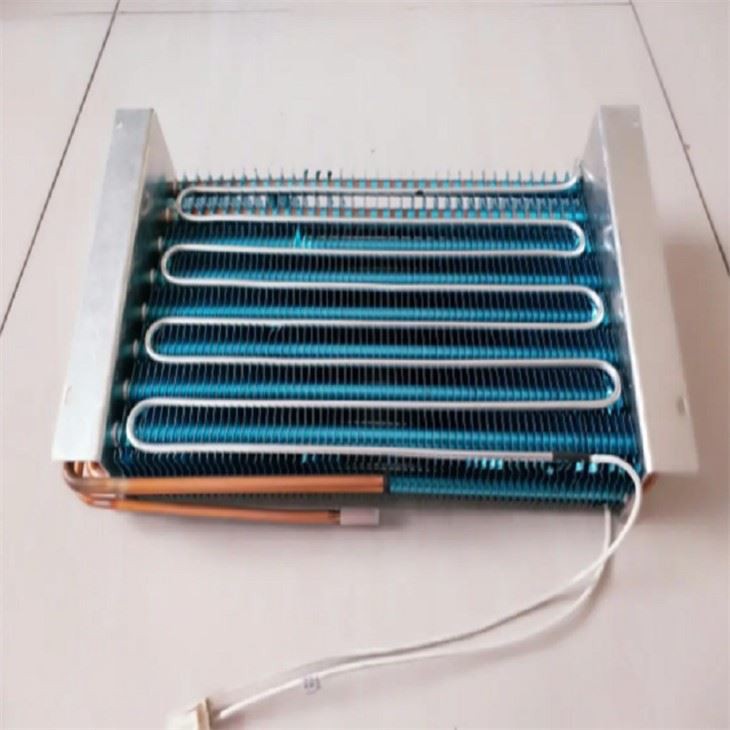
Before we dive into the temperature ranges, let's briefly understand what a Single System Bonding Evaporator is. These evaporators are a type of Bonded Type Evaporator designed to work within a single - system refrigeration setup. They are commonly used in various applications, including Refrigerator Evaporators, where they play a vital role in the heat - exchange process.
The basic principle behind an evaporator is the phase change of the refrigerant. The refrigerant enters the evaporator as a low - pressure liquid. As it absorbs heat from the surrounding environment, it evaporates into a gas. This heat absorption is what cools the area around the evaporator, making it an essential component in refrigeration systems.
Minimum Operating Temperature
The minimum operating temperature of a Single System Bonding Evaporator is typically determined by the properties of the refrigerant used and the design of the evaporator itself. Most refrigerants have a lower limit beyond which they become too viscous or may even freeze, which can cause significant problems in the system.
For common refrigerants used in Single System Bonding Evaporators, such as R - 134a, the minimum operating temperature is around - 26.1°C (- 15°F). At temperatures below this, the refrigerant's ability to flow and undergo the phase change effectively is severely hampered. The low temperature can cause the refrigerant to condense too much or even solidify in the evaporator coils, leading to reduced heat transfer efficiency and potential blockages.
However, some advanced Single System Bonding Evaporators are designed to operate at even lower temperatures. These evaporators use specialized refrigerants and have enhanced insulation and coil designs. For example, in cryogenic applications, where extremely low temperatures are required, evaporators can be designed to operate at temperatures as low as - 150°C (- 238°F). But these are highly specialized and not commonly used in standard refrigeration applications.
Maximum Operating Temperature
On the other end of the spectrum, the maximum operating temperature of a Single System Bonding Evaporator is also critical. The maximum temperature is mainly limited by the materials used in the construction of the evaporator and the stability of the refrigerant at high temperatures.
The evaporator coils are usually made of materials like copper or aluminum, which have specific temperature limits. Copper, for instance, starts to lose its mechanical strength at temperatures above 200°C (392°F). At high temperatures, the metal can expand, leading to leaks in the coils or damage to the bonding between different components of the evaporator.
The refrigerant also has a maximum temperature limit. When the temperature gets too high, the refrigerant may start to break down chemically. This can lead to the formation of acidic by - products, which can corrode the evaporator coils and other components in the system. For most common refrigerants used in Single System Bonding Evaporators, the maximum operating temperature is around 70°C (158°F).
In some industrial applications where higher temperatures are present, special high - temperature refrigerants and heat - resistant materials are used to increase the maximum operating temperature of the evaporator. These specialized evaporators can operate at temperatures up to 120°C (248°F), but they come with a higher cost and more complex design.
Optimal Operating Temperature Range
The optimal operating temperature range for a Single System Bonding Evaporator is typically between - 10°C (14°F) and 40°C (104°F). Within this range, the refrigerant can flow smoothly through the evaporator coils, and the heat - exchange process is highly efficient.
At temperatures within the optimal range, the refrigerant can easily change from a liquid to a gas, absorbing heat effectively from the surrounding environment. The materials of the evaporator are also within their safe operating limits, ensuring long - term reliability and performance.
In a standard household refrigerator, for example, the Single System Bonding Evaporator operates within this optimal range. The refrigerator compartment usually maintains a temperature between 2°C (35.6°F) and 8°C (46.4°F), which is well within the optimal range for the evaporator. This allows the refrigerator to cool the food effectively while minimizing energy consumption.
Factors Affecting the Operating Temperature Range
Several factors can affect the actual operating temperature range of a Single System Bonding Evaporator in a real - world scenario.
Ambient Temperature: The temperature of the surrounding environment has a significant impact on the evaporator's performance. In a hot environment, the evaporator has to work harder to remove heat, which can push the refrigerant temperature closer to its maximum limit. Conversely, in a cold environment, the evaporator may struggle to maintain the proper refrigerant flow and phase change if the temperature drops below the minimum limit.
Load on the System: The amount of heat that the evaporator needs to remove, known as the load on the system, also affects the operating temperature. A high load means more heat needs to be absorbed by the refrigerant, which can increase the refrigerant temperature. If the load is too high for an extended period, it can push the evaporator beyond its maximum operating temperature.
Maintenance and Cleaning: A dirty or poorly maintained evaporator can also affect its operating temperature range. Dust and debris on the evaporator coils can act as an insulator, reducing the heat transfer efficiency. This can cause the refrigerant to heat up more than normal, pushing the system closer to its maximum operating temperature.
Importance of Staying within the Temperature Range
Staying within the recommended operating temperature range is crucial for the proper functioning and longevity of a Single System Bonding Evaporator.
Efficiency: When the evaporator operates within the optimal temperature range, it can transfer heat most efficiently. This means that the refrigeration system can cool the desired area effectively while consuming less energy. On the other hand, operating outside the temperature range can lead to reduced efficiency, increased energy consumption, and higher operating costs.
Reliability: Operating outside the temperature range can cause significant wear and tear on the evaporator and other components in the system. High temperatures can cause the materials to degrade faster, leading to leaks and failures. Low temperatures can cause blockages and damage to the refrigerant flow, resulting in system breakdowns.

Safety: In some cases, operating outside the temperature range can pose safety risks. For example, if the refrigerant breaks down at high temperatures, it can release harmful chemicals into the environment. Also, if the evaporator freezes at low temperatures, it can cause pressure build - up in the system, which may lead to explosions or other dangerous situations.
Contact for Purchase and Consultation
If you are in the market for a Single System Bonding Evaporator, it's essential to choose one that is suitable for your specific temperature requirements. As a leading supplier of these evaporators, we have a wide range of products designed to operate within different temperature ranges.
Whether you need an evaporator for a standard refrigeration application or a specialized high - or low - temperature environment, we can provide you with the right solution. Our team of experts can also offer consultation services to help you select the most appropriate evaporator for your needs.
If you have any questions or would like to discuss your requirements further, please feel free to reach out to us. We are committed to providing high - quality products and excellent customer service to ensure your refrigeration system operates at its best.
References
- ASHRAE Handbook of Refrigeration. American Society of Heating, Refrigerating and Air - Conditioning Engineers.
- Refrigerant Properties and Applications. International Institute of Refrigeration.
- Design and Operation of Refrigeration Systems. McGraw - Hill Professional.