

As a supplier of Electric Conductive Film, I've witnessed firsthand the growing demand for this remarkable material across various industries. One of the most critical aspects that potential buyers often inquire about is the chemical stability of Electric Conductive Film. In this blog, I'll delve into what chemical stability means in the context of Electric Conductive Film, its importance, and the factors that influence it.
Understanding Chemical Stability
Chemical stability refers to the ability of a material to resist chemical reactions under specific conditions. For Electric Conductive Film, this means maintaining its electrical conductivity and physical integrity when exposed to different chemicals, environmental factors, and operational conditions. A chemically stable Electric Conductive Film will not degrade, corrode, or lose its conductive properties over time, ensuring reliable performance in the long run.
Importance of Chemical Stability in Electric Conductive Film
The chemical stability of Electric Conductive Film is of utmost importance for several reasons. Firstly, in electronic devices, the film is often in contact with various chemicals, such as cleaning agents, solvents, and electrolytes. If the film is not chemically stable, these chemicals can react with the film, leading to a decrease in conductivity, damage to the film structure, and ultimately, device failure.
Secondly, Electric Conductive Film is used in a wide range of environments, from high - humidity industrial settings to cleanroom conditions. Chemical stability ensures that the film can withstand these different environmental factors without deteriorating. For example, in a humid environment, a chemically unstable film may absorb moisture, which can cause oxidation and corrosion, reducing its conductivity.
Thirdly, in applications where the film is exposed to extreme temperatures, chemical stability is crucial. High temperatures can accelerate chemical reactions, and a stable film will not break down or react with its surroundings, maintaining its performance even under harsh thermal conditions.
Factors Affecting Chemical Stability
Material Composition
The choice of materials used in the Electric Conductive Film has a significant impact on its chemical stability. Common materials for conductive films include indium tin oxide (ITO), carbon nanotubes, and silver nanowires. ITO is widely used due to its high transparency and good conductivity. It has relatively good chemical stability in neutral and slightly acidic environments but can be corroded in strong acidic or alkaline solutions.
Carbon nanotubes are known for their excellent chemical stability. They are resistant to many chemicals, including acids, bases, and organic solvents. This makes them suitable for applications where the film may be exposed to harsh chemical environments. Silver nanowires, on the other hand, have high conductivity but are more susceptible to oxidation and corrosion, especially in the presence of sulfur - containing compounds.
Coating and Surface Treatments
Applying coatings and surface treatments can enhance the chemical stability of Electric Conductive Film. For example, a protective polymer coating can act as a barrier between the conductive layer and the external environment, preventing chemicals from reaching the conductive material. Surface treatments, such as passivation, can also improve the film's resistance to corrosion by forming a thin, protective layer on the surface.
Manufacturing Process
The manufacturing process of Electric Conductive Film can affect its chemical stability. A well - controlled manufacturing process ensures uniform film thickness, proper adhesion between layers, and a high - quality conductive network. Any defects or impurities introduced during the manufacturing process can act as sites for chemical reactions, reducing the film's stability. For instance, if there are voids or cracks in the film, chemicals can penetrate more easily, leading to degradation.
Testing Chemical Stability
To ensure the chemical stability of our Electric Conductive Film, we conduct a series of tests. One common test is the immersion test, where samples of the film are immersed in different chemical solutions for a specified period. The electrical conductivity and physical appearance of the film are then measured before and after the immersion to determine if any degradation has occurred.
Another test is the environmental chamber test, where the film is exposed to different environmental conditions, such as high temperature, high humidity, and varying levels of air pollutants. This test simulates real - world conditions and helps us evaluate the long - term performance of the film.
Applications and Chemical Stability Requirements
Display Applications
In display applications, such as touchscreens and liquid crystal displays (LCDs), Electric Conductive Film needs to have good chemical stability. The film is often in contact with the human skin, which can secrete oils and sweat. These substances can contain salts and acids that, if the film is not chemically stable, can cause corrosion and reduce the touch sensitivity of the screen. Electric Conductive Film used in displays also needs to be stable when exposed to cleaning agents used during the manufacturing and maintenance processes.
Solar Cell Applications
Electric Conductive Film in solar cells is exposed to sunlight, oxygen, and moisture for long periods. Chemical stability is essential to prevent degradation of the film, which could reduce the efficiency of the solar cell. For example, oxidation of the conductive layer can increase the resistance, decreasing the power output of the solar cell.
Anti - Ageing Film and Conductive Film Synergy
In some applications, Electric Conductive Film is combined with Anti Ageing Film. The anti - ageing film helps protect the conductive film from environmental factors that can cause ageing, such as UV radiation and oxygen. The chemical stability of both films is crucial for the overall performance and longevity of the combined system.
Ensuring Chemical Stability in Our Products
As a supplier, we take several steps to ensure the chemical stability of our Electric Conductive Film. We carefully select high - quality raw materials and use advanced manufacturing processes to minimize impurities and defects. Our quality control team conducts rigorous testing at every stage of production to ensure that the film meets the required chemical stability standards.

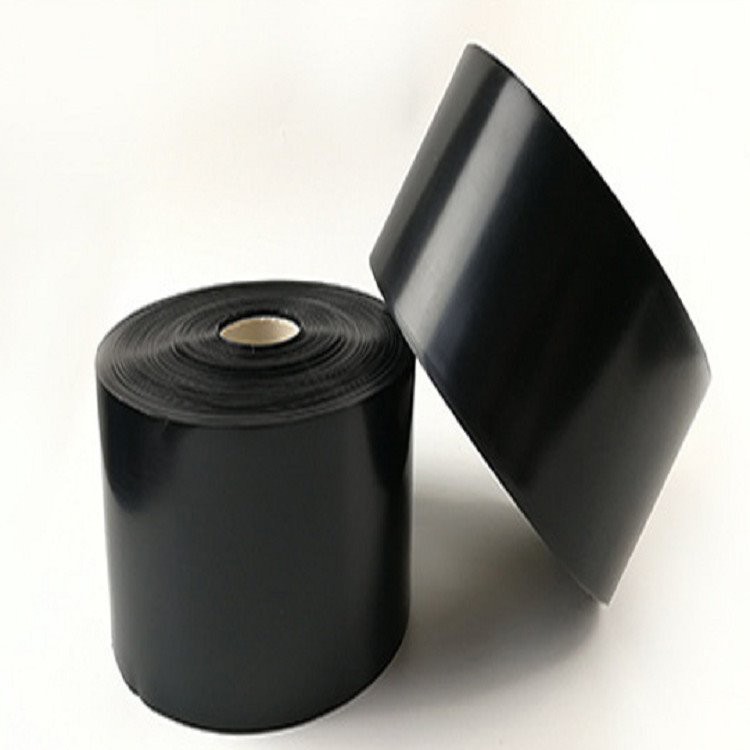
We also offer customized solutions based on the specific chemical stability requirements of our customers. Whether it's a product for a high - humidity environment or one that needs to withstand strong chemicals, we can tailor the film's composition and surface treatments to meet these needs.
Conclusion
The chemical stability of Electric Conductive Film is a critical factor that determines its performance and longevity in various applications. Understanding the factors that affect chemical stability, such as material composition, coating, and manufacturing process, is essential for both suppliers and users. As a supplier, we are committed to providing high - quality Electric Conductive Film with excellent chemical stability.
If you are interested in purchasing Electric Conductive Film for your specific application and have concerns about its chemical stability, we are here to help. Our team of experts can provide detailed information and guidance on the best film solutions for your needs. Contact us to start a discussion about your procurement requirements and let's find the perfect Electric Conductive Film for your project.
References
- "Handbook of Thin Film Materials" by H.S. Nalwa
- "Advanced Materials for Flexible and Stretchable Conductors" in Chemical Reviews.
- Research papers on the chemical properties of indium tin oxide, carbon nanotubes, and silver nanowires from scientific journals such as Journal of Materials Chemistry and ACS Nano.