

Hey there! As a supplier of Electric Conductive Film, I often get asked about the differences between Electric Conductive Film and conductive paint. So, I thought I'd take a moment to break it down for you.
What is Electric Conductive Film?
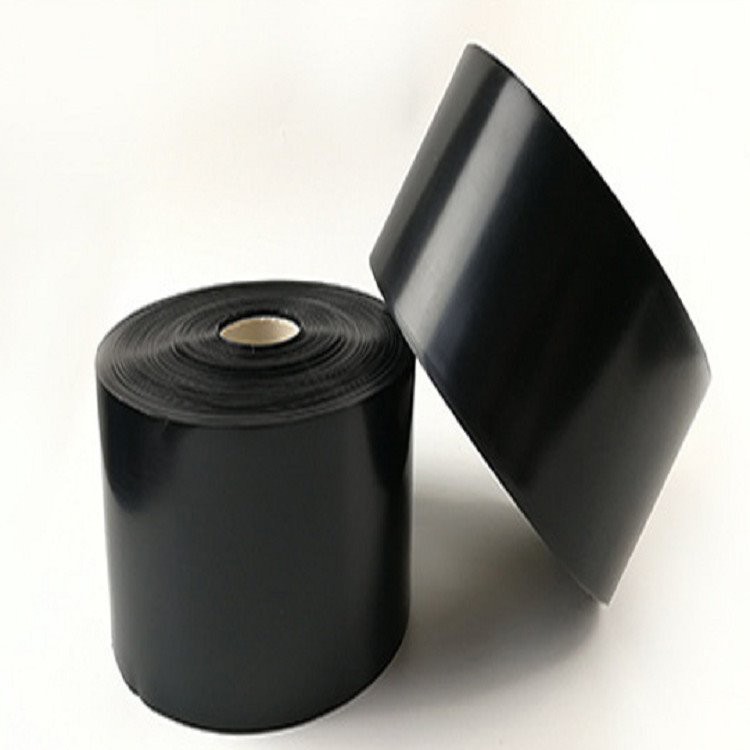
Electric Conductive Film is a thin, flexible material that can conduct electricity. It's made by depositing a conductive layer on a flexible substrate, such as polyester or polyimide. This film is used in a wide range of applications, from touchscreens and displays to electromagnetic shielding and printed circuit boards.
The big advantage of Electric Conductive Film is its flexibility. It can be bent, folded, and shaped to fit almost any application. This makes it ideal for use in devices that require a flexible or curved surface, like smartwatches or flexible displays. You can check out more about it here.
Another great thing about Electric Conductive Film is its uniformity. The conductive layer is evenly distributed across the film, which means that the electrical conductivity is consistent throughout. This is important for applications where precise electrical performance is required.
What is Conductive Paint?
Conductive paint, on the other hand, is a type of paint that contains conductive particles, such as silver, copper, or carbon. When applied to a surface, these particles form a conductive network that allows electricity to flow. Conductive paint is often used for grounding, shielding, and creating electrical connections on non - conductive surfaces.
One of the main benefits of conductive paint is its ease of application. You can simply brush, spray, or roll it onto a surface, just like regular paint. This makes it a great option for DIY projects or for coating large or irregularly shaped surfaces.
Conductive paint is also relatively inexpensive compared to Electric Conductive Film. If you're on a tight budget and need a basic conductive solution, conductive paint might be the way to go.

Key Differences
Physical Properties
- Flexibility: Electric Conductive Film is highly flexible and can be easily bent or curved without losing its conductivity. Conductive paint, once dry, is more rigid and may crack or peel if the surface is bent too much.
- Thickness: Electric Conductive Film has a consistent and relatively thin thickness, usually in the range of a few micrometers to a few hundred micrometers. Conductive paint thickness can vary depending on the application method and the number of coats applied.
Electrical Performance
- Conductivity: Electric Conductive Film generally offers higher and more consistent conductivity compared to conductive paint. The manufacturing process of the film allows for precise control of the conductive layer, resulting in better electrical performance.
- Resistance: Due to its more uniform structure, Electric Conductive Film typically has lower electrical resistance. Conductive paint may have higher resistance, especially if the application is not done properly or if the conductive particles are not evenly distributed.
Application Process
- Complexity: Applying Electric Conductive Film requires some skill, especially when it comes to cutting and adhering it to a surface. Conductive paint is much simpler to apply, as it only requires basic painting tools.
- Curing Time: Electric Conductive Film is ready to use as soon as it's applied. Conductive paint needs time to dry and cure, which can range from a few hours to a few days depending on the type of paint and environmental conditions.
Durability
- Abrasion Resistance: Electric Conductive Film is often more resistant to abrasion and wear compared to conductive paint. The film's structure provides a more protective layer for the conductive material.
- Chemical Resistance: Electric Conductive Film can be engineered to have good chemical resistance. Conductive paint may be more susceptible to damage from chemicals, solvents, or moisture.
Applications
- Touchscreens and Displays: Electric Conductive Film is the go - to choice for touchscreens and displays due to its high conductivity, flexibility, and uniformity. Conductive paint is not suitable for these applications because of its lower conductivity and lack of flexibility.
- Electromagnetic Shielding: Both Electric Conductive Film and conductive paint can be used for electromagnetic shielding. However, Electric Conductive Film is more commonly used in high - performance applications where precise shielding is required. Conductive paint is often used for less critical shielding applications or for DIY projects.
- Printed Circuit Boards: Electric Conductive Film can be used to create fine - pitch circuits with high precision. Conductive paint can be used for creating simple circuits or for repairing existing ones, but it's not as precise as Electric Conductive Film.
Cost Considerations
- Initial Cost: Conductive paint is generally cheaper than Electric Conductive Film. However, when you consider the overall cost of an application, including labor and the performance requirements, Electric Conductive Film may offer better value in the long run.
- Long - Term Cost: Due to its higher durability and better electrical performance, Electric Conductive Film may require less maintenance and replacement over time compared to conductive paint.
Flame Retardant and Release Film Options
If you're working on projects that require flame retardant properties, you might be interested in Flame Retardant Coating. And for applications where you need a film that can be easily released from a surface, Release Film could be a great option.
Why Choose Our Electric Conductive Film?
As a supplier, I can tell you that our Electric Conductive Film is top - notch. We use the latest manufacturing techniques to ensure high - quality and consistent performance. Our film is available in different sizes and specifications to meet your specific needs.
Whether you're in the electronics industry, working on a research project, or just a hobbyist, our Electric Conductive Film can provide you with the reliable electrical conductivity you need.
If you're interested in learning more about our Electric Conductive Film or have any questions about the differences between it and conductive paint, feel free to reach out. We're here to help you make the right choice for your project. Let's start a conversation and see how we can work together!
References
- "Handbook of Conductive Polymers"
- "Advanced Materials for Electronic Applications"
- "Conductive Coatings: Principles, Properties, and Applications"