

Hey there! As a supplier of Mucous Membrane, I've been super interested in how the mucous membrane in the lungs responds to pollutants. Let's dig into this topic together.
First off, the mucous membrane in our lungs is like a superhero. It's this thin layer that lines the respiratory tract, acting as a front - line defense against all sorts of bad stuff. You know, pollutants are everywhere these days. From the smog in big cities to the chemicals in industrial areas, our lungs are constantly under attack.
When pollutants enter the lungs, the mucous membrane springs into action right away. One of the first things it does is increase the production of mucus. You might think of mucus as that gross stuff, but it's actually a really important part of our body's defense system. The increased mucus acts like a sticky net, trapping the pollutants. Just imagine it as a spider web catching all the tiny particles that shouldn't be in our lungs.
This mucus production is a pretty clever mechanism. The pollutants, whether they're dust, smoke, or harmful chemicals, get stuck in the mucus. Then, the cilia, which are these tiny hair - like structures on the surface of the mucous membrane, start to move. They work together to push the mucus (along with the trapped pollutants) up and out of the lungs. It's like a conveyor belt moving all the bad stuff out of our precious respiratory system.
But here's the thing. Not all pollutants are created equal. Some are more harmful than others, and they can really mess with the mucous membrane. For example, certain chemicals can irritate the mucous membrane. When this happens, it can cause inflammation. Inflammation is the body's way of trying to fight off the invaders, but it can also lead to problems. The inflamed mucous membrane might become swollen, which can make it harder for air to flow in and out of the lungs. This can cause symptoms like coughing, wheezing, and shortness of breath.
Long - term exposure to pollutants can be even worse. Over time, the constant irritation and inflammation can damage the mucous membrane. The cilia might get damaged, too. When the cilia don't work properly, they can't move the mucus and pollutants out of the lungs as effectively. This can lead to a build - up of mucus and pollutants in the lungs, increasing the risk of infections and other respiratory diseases like chronic obstructive pulmonary disease (COPD) and asthma.
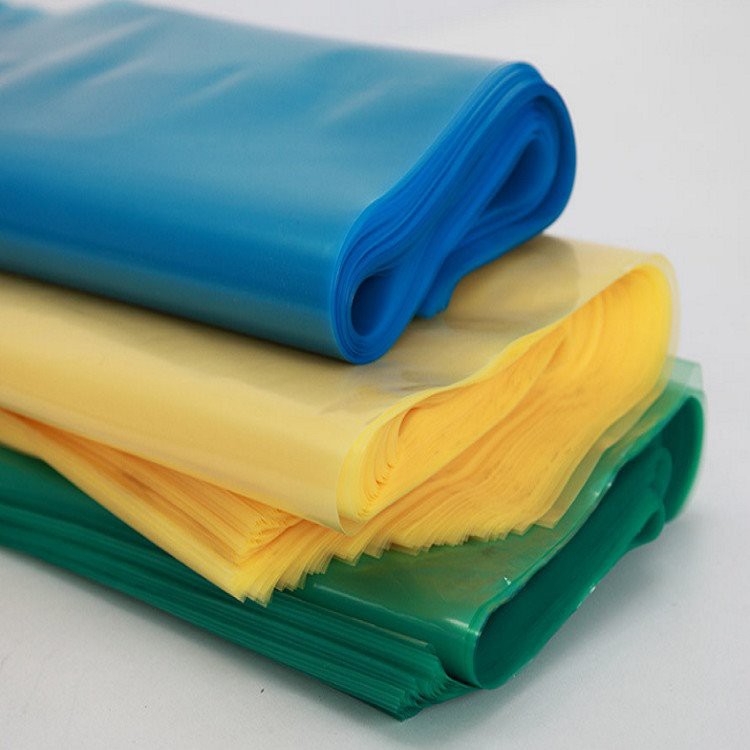
Now, let's talk about how our products come into play. As a Mucous Membrane supplier, we understand the importance of a healthy mucous membrane. Our products are designed to mimic the natural functions of the mucous membrane in the lungs. They can help in situations where the natural mucous membrane is damaged or not working as well as it should.
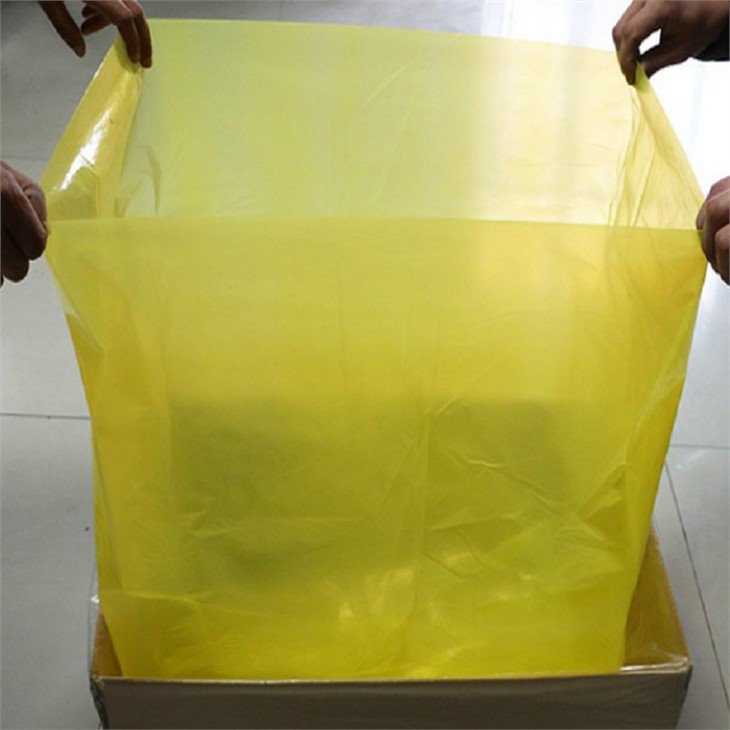
For example, our mucous membrane products can provide an extra layer of protection. They can act as a barrier, preventing pollutants from directly contacting the sensitive lung tissue. This can reduce the risk of irritation and inflammation. And if the natural mucous membrane is having trouble producing enough mucus to trap pollutants, our products can help by providing a similar sticky substance that can catch those harmful particles.
But that's not all. We also offer other related products like Electric Conductive Film and Rust Resistant Film. These might seem unrelated at first, but in the context of overall health and protection, they play important roles. The electric conductive film can be used in medical devices that are used to monitor the health of the respiratory system. And the rust - resistant film can protect the equipment that's used in research and treatment related to lung health.
If you're in the medical field, whether you're a researcher, a doctor, or a medical equipment manufacturer, our products can be really useful. Our mucous membrane products can be used in various applications, from developing new treatments for respiratory diseases to creating better protective gear for people working in polluted environments.
So, if you're interested in learning more about our products or have any questions about how they can be used in your work, don't hesitate to reach out. We're always happy to have a chat and discuss how we can work together. Whether it's finding the right product for your specific needs or customizing a solution, we're here to help.
In conclusion, the mucous membrane in the lungs is a vital part of our respiratory system's defense against pollutants. Understanding how it responds to pollutants is crucial for developing better ways to protect our lungs. And as a supplier, we're committed to providing high - quality products that can support and enhance the natural functions of the mucous membrane. So, if you think our products could be a good fit for you, let's start a conversation.
References
- "Respiratory Physiology: The Essentials" by John B. West
- "Environmental Health: From Global to Local" by Jonathan Patz and Howard Frumkin