

As a seasoned supplier of Refrigerator Evaporators, I've witnessed firsthand the critical role these components play in the efficiency and performance of refrigeration systems. One of the most frequently asked questions by our customers is about the energy efficiency rating of a refrigerator evaporator. In this blog post, I'll delve into the concept of energy efficiency ratings, how they apply to refrigerator evaporators, and why they matter in today's market.

Understanding Energy Efficiency Ratings
Energy efficiency ratings are standardized measures that indicate how effectively a device uses energy to perform its intended function. For refrigerator evaporators, the energy efficiency rating reflects how well the evaporator can transfer heat from the inside of the refrigerator to the refrigerant, which is then expelled outside the unit. A higher energy efficiency rating means that the evaporator can achieve this heat transfer process with less energy consumption, resulting in lower electricity bills and reduced environmental impact.
Several factors contribute to the energy efficiency of a refrigerator evaporator. The design of the evaporator, the materials used, and the manufacturing process all play a role in determining its performance. For example, an evaporator with a larger surface area can transfer heat more efficiently, as it provides more contact between the refrigerant and the air inside the refrigerator. Additionally, the use of high-quality materials with good thermal conductivity can enhance heat transfer and improve energy efficiency.
The Importance of Energy Efficiency in Refrigerator Evaporators
In today's world, energy efficiency is not just a buzzword; it's a necessity. With the increasing cost of energy and growing concerns about climate change, consumers are becoming more conscious of the energy consumption of their appliances. Refrigerators are one of the most energy-intensive appliances in the home, and the evaporator is a key component that can significantly impact its overall energy efficiency.
A high-energy efficiency rating for a refrigerator evaporator means that the refrigerator will use less electricity to maintain the desired temperature. This not only saves money for the consumer but also reduces the demand for electricity, which in turn helps to lower greenhouse gas emissions. Additionally, energy-efficient appliances are often eligible for government rebates and incentives, further reducing the cost of ownership.
From a business perspective, offering energy-efficient refrigerator evaporators can give suppliers a competitive edge in the market. Consumers are more likely to choose products that are energy-efficient, as they offer long-term savings and environmental benefits. By providing high-quality, energy-efficient evaporators, suppliers can meet the needs of their customers and build a reputation for reliability and sustainability.
Factors Affecting the Energy Efficiency Rating of a Refrigerator Evaporator
As mentioned earlier, several factors can affect the energy efficiency rating of a refrigerator evaporator. Let's take a closer look at some of these factors:
Design
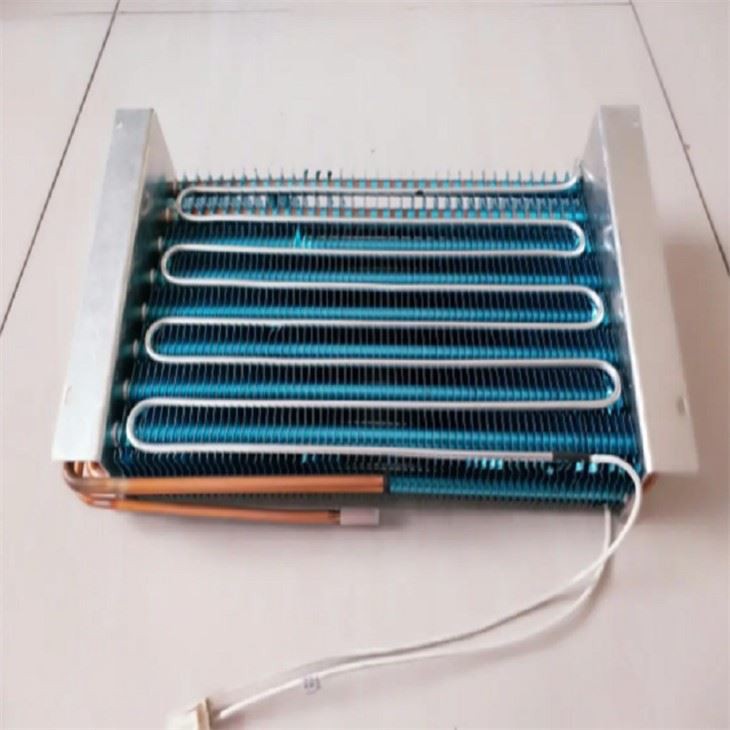
The design of the evaporator is crucial in determining its energy efficiency. A well-designed evaporator will have a large surface area, which allows for more efficient heat transfer. Additionally, the shape and configuration of the evaporator can also impact its performance. For example, a finned evaporator can provide more surface area for heat transfer compared to a plain tube evaporator.
Materials
The materials used in the construction of the evaporator can also affect its energy efficiency. High-quality materials with good thermal conductivity, such as copper or aluminum, can transfer heat more effectively than other materials. Additionally, the thickness and quality of the materials can also impact the durability and performance of the evaporator.
Manufacturing Process
The manufacturing process can also play a role in the energy efficiency of a refrigerator evaporator. A precise and consistent manufacturing process can ensure that the evaporator is built to the highest standards, resulting in better performance and energy efficiency. Additionally, the use of advanced manufacturing techniques, such as microchannel technology, can further enhance the efficiency of the evaporator.
Refrigerant
The type of refrigerant used in the evaporator can also affect its energy efficiency. Some refrigerants have better thermodynamic properties than others, which can result in more efficient heat transfer. Additionally, the choice of refrigerant can also impact the environmental impact of the refrigerator. For example, some refrigerants have a high global warming potential (GWP), while others have a low GWP.
Our Energy-Efficient Refrigerator Evaporators
At our company, we are committed to providing high-quality, energy-efficient refrigerator evaporators. We understand the importance of energy efficiency in today's market, and we strive to develop products that meet the needs of our customers. Our evaporators are designed and manufactured using the latest technology and materials, ensuring optimal performance and energy efficiency.
One of our popular products is the Bonded Type Evaporator. This evaporator features a unique bonded design that provides a large surface area for efficient heat transfer. The bonded construction also ensures a tight seal between the tubes and the fins, preventing refrigerant leakage and improving performance.
In addition to the Bonded Type Evaporator, we also offer a wide range of Refrigerator Evaporators to meet the diverse needs of our customers. Our evaporators are available in different sizes and configurations, and we can also customize them to meet specific requirements.
Conclusion
The energy efficiency rating of a refrigerator evaporator is an important factor to consider when choosing a refrigerator. A high-energy efficiency rating means that the refrigerator will use less electricity, resulting in lower energy bills and reduced environmental impact. As a supplier of Refrigerator Evaporators, we are committed to providing our customers with high-quality, energy-efficient products that meet their needs.
If you're in the market for a refrigerator evaporator, we encourage you to contact us to learn more about our products and how they can benefit your business. Our team of experts is available to answer your questions and provide you with the information you need to make an informed decision. Let's work together to create a more energy-efficient future.
References
- ASHRAE Handbook of Refrigeration. American Society of Heating, Refrigerating and Air-Conditioning Engineers.
- Energy Star. U.S. Environmental Protection Agency.
- Refrigeration and Air Conditioning Technology. William C. Whitman, William M. Johnson, John Tomczyk, and Eugene Silberstein.