

As a supplier of High Pressure Bags, I've had the privilege of delving deep into the world of these remarkable products. One of the most intriguing aspects that I often get asked about is the flexibility of a high pressure bag's material. In this blog, I'll explore this topic in detail, sharing insights that come from years of hands - on experience in the industry.
Understanding High Pressure Bags
High Pressure Bags, as the name suggests, are designed to withstand high levels of pressure. They are widely used in various industries, from agriculture for storing fertilizers and seeds to the food industry for packaging products that require a hermetic seal. The key to their performance lies not only in their ability to endure pressure but also in the flexibility of their materials.
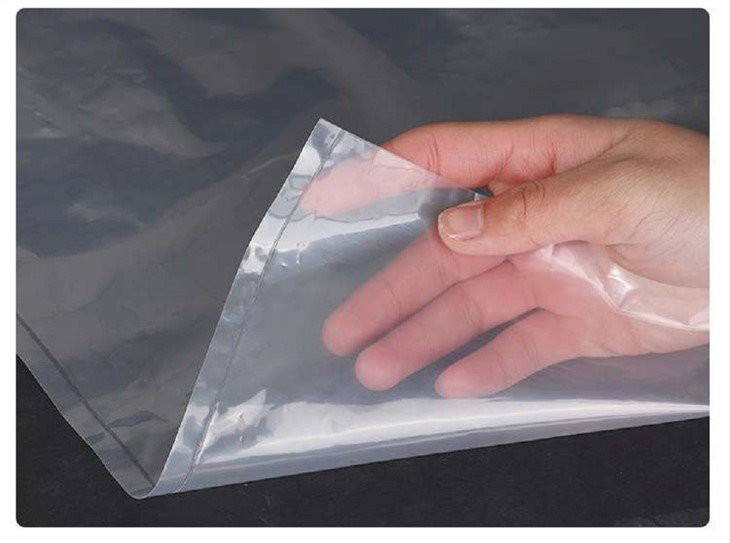
The flexibility of a high pressure bag's material is a crucial characteristic. It allows the bag to conform to different shapes and sizes of the products being stored or transported. Whether it's irregularly shaped items or products that expand or contract due to changes in temperature or pressure, a flexible bag can adapt without compromising its integrity.
Types of Materials Used in High Pressure Bags
There are several types of materials commonly used in the production of high pressure bags. One of the most popular is polyethylene (PE). PE is known for its excellent flexibility, durability, and chemical resistance. It can be easily molded into different shapes, making it ideal for high pressure bag production. You can learn more about PE Pocket on our website.
Another material is polypropylene (PP). PP has similar properties to PE but offers higher stiffness and better heat resistance. While it may not be as flexible as PE in some cases, it still provides a good balance between flexibility and strength. For specific applications where heat resistance is crucial, PP - based high pressure bags are often the preferred choice.
Factors Affecting the Flexibility of High Pressure Bag Materials
Molecular Structure
The molecular structure of the polymer used in the bag's material plays a significant role in its flexibility. Polymers with long, linear chains tend to be more flexible because the chains can slide past each other more easily. In contrast, polymers with highly branched or cross - linked structures are more rigid. For example, low - density polyethylene (LDPE) has a more branched structure compared to high - density polyethylene (HDPE). LDPE is generally more flexible, making it suitable for applications where a high degree of flexibility is required.
Additives
Additives are often used to modify the properties of the polymer. Plasticizers, for instance, are added to increase the flexibility of the material. They work by reducing the intermolecular forces between the polymer chains, allowing them to move more freely. Anti - oxidants and UV stabilizers are also added to protect the polymer from degradation, which can affect its flexibility over time.

Processing Conditions
The way the high pressure bag is manufactured also affects its flexibility. The temperature, pressure, and cooling rate during the extrusion or molding process can all influence the final properties of the bag. For example, a slower cooling rate can result in a more ordered molecular structure, which may reduce flexibility. On the other hand, a faster cooling rate can lead to a more amorphous structure, increasing flexibility.
Benefits of Flexible High Pressure Bag Materials
Ease of Handling
Flexible high pressure bags are easier to handle during the filling, sealing, and transportation processes. They can be easily folded, stacked, and stored, saving space and reducing the risk of damage. For example, Square Bottom Bag made from flexible materials can be easily filled with products and then stacked neatly on pallets for transportation.
Better Product Protection
The flexibility of the bag material allows it to conform to the shape of the product, providing a better fit and reducing the risk of damage. This is especially important for fragile or irregularly shaped products. The bag can absorb shocks and vibrations during transportation, protecting the product inside.
Cost - Effectiveness
Flexible materials are often more cost - effective because they can be produced in large quantities using less energy - intensive processes. Additionally, their lightweight nature reduces transportation costs, making them an economical choice for businesses.
Applications of Flexible High Pressure Bags
Food Packaging
In the food industry, flexible high pressure bags are widely used for packaging products such as snacks, coffee, and frozen foods. The flexibility of the bag allows it to be easily sealed, ensuring a long shelf - life for the product. The bag can also be printed with high - quality graphics, enhancing the product's visual appeal.
Chemical and Pharmaceutical Industries
These industries require high pressure bags that can withstand the harsh chemicals and strict storage conditions. Flexible bags made from chemically resistant materials can safely store and transport various chemicals and pharmaceutical products. The flexibility of the bag also allows for easy handling and dispensing of the contents.
Agriculture
In agriculture, high pressure bags are used for storing fertilizers, seeds, and pesticides. The flexibility of the bag material makes it easy to fill and empty, and it can adapt to the shape of the stored product, preventing spillage and waste.
Maintaining the Flexibility of High Pressure Bag Materials
To ensure the long - term flexibility of high pressure bags, proper storage and handling are essential. Bags should be stored in a cool, dry place away from direct sunlight and heat sources. Exposure to extreme temperatures can cause the polymer to degrade, reducing its flexibility.
During handling, care should be taken to avoid sharp objects that could puncture or tear the bag. Rough handling can also cause the material to become brittle over time, affecting its flexibility.
Conclusion
The flexibility of a high pressure bag's material is a multi - faceted characteristic that is influenced by various factors. As a supplier of High Pressure Bag, I understand the importance of providing products with the right balance of flexibility, strength, and durability. Whether you're in the food, chemical, or agricultural industry, our high pressure bags are designed to meet your specific needs.
If you're interested in learning more about our high pressure bags or would like to discuss your specific requirements, please feel free to contact us. We're always ready to assist you in finding the perfect high pressure bag solution for your business.
References
- "Polymer Science and Technology" by James Mark
- "Plastics Technology Handbook" by Howard S. Katz