

Moisture-vapor transmission rate (MVTR) is a crucial parameter when it comes to evaluating the performance of packaging materials, especially for aluminum foil bags. As a supplier of Aluminum Foil Bags, I understand the significance of MVTR in ensuring the quality and longevity of the products stored inside these bags. In this blog, we will delve into what MVTR is, why it matters for aluminum foil bags, and how it affects the packaging of various items.
Understanding Moisture - Vapor Transmission Rate
MVTR refers to the rate at which water vapor permeates through a material over a given period under specific conditions of temperature and relative humidity. It is typically measured in units such as grams per square meter per day (g/m²/day). The lower the MVTR value, the better the material is at preventing the passage of water vapor.
For example, if an aluminum foil bag has an MVTR of 0.1 g/m²/day, it means that only 0.1 grams of water vapor will pass through one square meter of the bag's surface in a single day under the specified test conditions. This measurement is essential because moisture can have a detrimental impact on many products, including food, pharmaceuticals, and electronics.
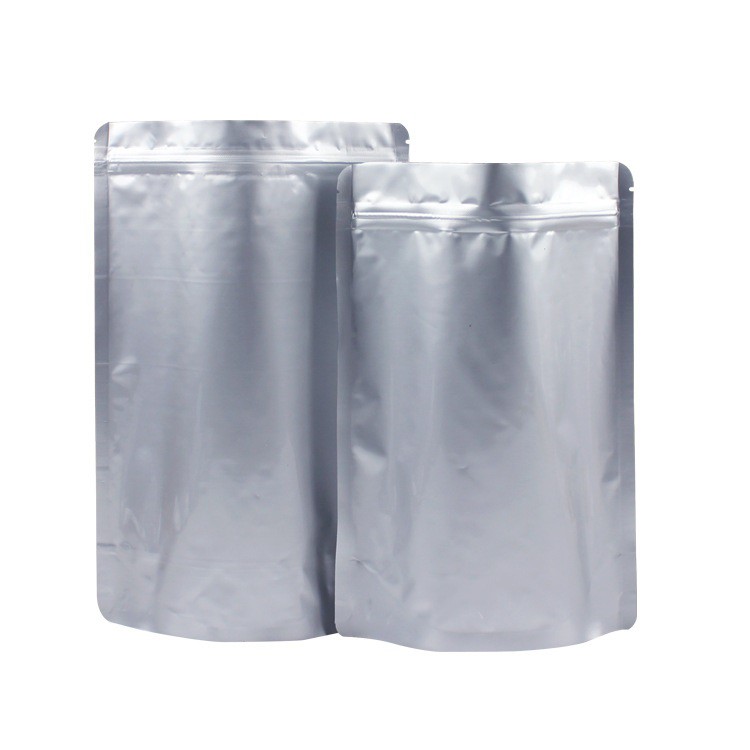

Why MVTR Matters for Aluminum Foil Bags
Aluminum foil bags are widely used in various industries due to their excellent barrier properties. However, their effectiveness in protecting products from moisture depends significantly on their MVTR.
In the food industry, moisture can cause spoilage, mold growth, and changes in texture and taste. A low MVTR aluminum foil bag can keep food products fresh for longer periods by preventing the ingress of moisture. For instance, when packaging dried fruits, nuts, or coffee beans, a bag with a low MVTR will help maintain their crispness and flavor. You can explore our Food Packaging Bag options designed to meet the specific MVTR requirements for different food items.
In the pharmaceutical industry, moisture can degrade the active ingredients in medications, reducing their efficacy and safety. Aluminum foil bags with low MVTR are used to package tablets, capsules, and powders to ensure their stability over time.
For electronics, moisture can cause corrosion, short - circuits, and other malfunctions. By using aluminum foil bags with a low MVTR, manufacturers can protect sensitive electronic components during storage and transportation.
Factors Affecting the MVTR of Aluminum Foil Bags
Several factors can influence the MVTR of aluminum foil bags:
Thickness of the Foil
Thicker aluminum foil generally has a lower MVTR. As the thickness increases, the path for water vapor molecules to penetrate through the foil becomes longer and more tortuous, reducing the rate of transmission. However, increasing the thickness also adds to the cost and weight of the bag, so a balance needs to be struck.
Lamination
Most aluminum foil bags are laminated with other materials such as polyethylene or polypropylene. The type and quality of the lamination can affect the MVTR. A well - laminated bag can provide an additional barrier to water vapor, further reducing the transmission rate. For example, a bag with a high - quality polyethylene lamination can have a lower MVTR compared to a bag with a thinner or lower - quality lamination.
Seal Quality
The quality of the seals on the aluminum foil bag is crucial. A poor seal can create gaps through which water vapor can enter the bag, increasing the effective MVTR. Proper sealing techniques, such as heat sealing, are used to ensure a tight and reliable seal.
Temperature and Humidity
The MVTR of aluminum foil bags is also affected by the surrounding temperature and humidity. Higher temperatures and relative humidity generally increase the rate of water vapor transmission. When testing the MVTR of a bag, specific temperature and humidity conditions are standardized to ensure accurate and comparable results.
Measuring the MVTR of Aluminum Foil Bags
There are several methods for measuring the MVTR of aluminum foil bags:
Gravimetric Method
This is a traditional and widely used method. A sample of the bag material is placed in a test chamber with a controlled temperature and humidity environment. One side of the sample is exposed to a high - humidity atmosphere, while the other side is exposed to a low - humidity atmosphere. Over a period of time, the weight change of the sample is measured. The MVTR is then calculated based on the weight change, the area of the sample, and the time elapsed.
Sensor - Based Methods
Modern sensor - based techniques use sensors to measure the water vapor concentration on both sides of the bag material. These methods are more rapid and can provide real - time data. They are often used in quality control and research and development to quickly assess the MVTR of different bag materials.
Our Aluminum Foil Bags and MVTR
As a supplier of Aluminum Foil Bags, we understand the importance of providing bags with the appropriate MVTR for different applications. We offer a wide range of Aluminum Foil Vacuum Bag and Food Packaging Bag options with varying MVTR values.
Our bags are manufactured using high - quality aluminum foil and advanced lamination techniques to ensure low MVTR and excellent barrier properties. We conduct rigorous quality control tests to measure the MVTR of our bags and ensure that they meet the industry standards and customer requirements.
Conclusion
The moisture - vapor transmission rate is a critical factor in determining the performance of aluminum foil bags. A low MVTR is essential for protecting products from moisture - related damage in various industries, including food, pharmaceuticals, and electronics. As a supplier, we are committed to providing high - quality aluminum foil bags with the appropriate MVTR for different applications.
If you are in need of aluminum foil bags for your products, we invite you to contact us for a detailed discussion. Our team of experts can help you select the right bag with the optimal MVTR to meet your specific needs. We look forward to working with you to ensure the best packaging solutions for your products.
References
- ASTM F1249 - 13, Standard Test Method for Water Vapor Transmission Rate Through Plastic Film and Sheeting Using a Modulated Infrared Sensor.
- ISO 15106 - 2:2003, Plastics - Film and sheeting - Determination of water vapour transmission rate - Part 2: Infrared detection sensor method.
- Packaging Technology and Science, various issues related to barrier properties of packaging materials.